Home » Posts tagged 'obesity' (Page 2)
Tag Archives: obesity
Is Obesity Genetic? A Reply to PumpkinPerson and Robert Lindsay
1200 words
I come across a lot of ridiculous articles from PumpkinPerson, but this has to be one of the most ridiculous. He writes:
Identical twin studies show that obesity has a heritability of almost 80%. Although I generally lean towards nature in most nature-nurture debates, I’ve always had a problem with the idea that obesity is highly genetic, and thus enjoyed this epic rant by blogger Robert Lindsay:
It is 80% genetic[?]
That is why you have whole tribes in South America where not one person has ever been fat.
That is why you have whole towns in Melanesia with 1000’s of people where not one person is fat.
There are fat people in the cities of Solomon Islands. In the study I read, the only man who was fat was one who had gone off to the city for a while and ate salt and processed, packaged food. Do you realize that if you did a genetic study of the fatties in Melanesia, you would find that wonderful 80% “genetic” link you guys are shouting about?
That is why the fatness and obesity rate has exploded in the US and much of the rest of the world. Because it’s 80% genetic!
I do not believe that fatsos act just like the rest of us. Ever known a blimp who ate like a bird? Me either.
I dunno about you, but I have never seen a fat person who wasn’t stuffing their face all the time with lousy food. They are always in restaurants. Always going out to eat. If you go to a restaurant, look around at all the fat people. Those people are fat because fat people like to eat out all the time and restaurant food is fattening. Fat people love to eat. Have you ever noticed that?
It’s 80 percent heritable in first world countries. Obviously the heritability will be lower in the third world. Clearly in first-world countries we have an overabundance of food. We don’t know what to do with it. So instead of having the opposite problem (not enough food) we now have too much food and this is what caused weight to increase (along with added sugars processed carbs).
Look at Melanesia—they still eat an ancestral diet. I can’t tell if Lindsay is being serious or not. He’s comparing people who still eat their ancestral diet to people who live in first-world countries and eat a Western diet. There’s no comparison there. If you want to see why people aren’t fat nor have the same diseases at the same rates (they are low to nonexistent in places like that) read Agriculture and Diseases of Civilization.
This is the study that’s being referred to Elks et al 2012. The heritability of BMI is between .75 and .82. Again: this is in first-world countries.
PP then says:
In fact just the other day, I was at the home of someone who was so incredibly fat I thought “it must be genetic.” And then just as I was leaving his house, I noticed a huge empty box of pizza in the kitchen.
Binge eating and obesity both have a heritable component (Bulk, Sullivan and Kendler, 2003). Further, to quote Gary Taubes from Why We Get Fat and What to Do About It:
“So maybe the answers to be found are in the integration of factors – starting with the physiological, metabolic, and genetic ones and letting them lead us to the environmental triggers. Because the one thing we know for sure is that the laws of thermodynamics, true as they always are, tell us nothing about why we get fat or why we take in more calories than we expend while it’s happening. (emphasis mine) (Taubes, 2011: pg 74, excerpt from Why We Get Fat and What to Do About It)
PP says:
The fatness itself or the tendency to engage in behaviors that cause fatness such as ordering large pizzas? So while obesity might technically be nearly 80% genetic, the statistic is misleading because it’s not directly genetic in the same was as height is.
If you don’t eat enough, nor get the right nutrients, you don’t hit your genetic height. If you don’t eat enough you don’t hit your genetic weight.
I don’t get why studies like this get generalized to the whole population. This study was done in first-world countries and so this only applies to first-world countries. You’d think that people who think they know science would know that studies are only applicable for the cohort and people they are done on. Guess not.
Of course I don’t deny obesity has some direct genetic component. Some people gain weight a lot easier than others and for some people, it’s virtually impossible to lose weight no matter how well they eat, though this is rare.
Of course some people gain weight easier than others. Some people lose weight easier than others. Much of the biological opposition to sustained weight loss is due to the hormone leptin (Rosenbaum et al, 2010). The more fat you have in your body, the more leptin you have. Moreover, the longer you are at a certain weight, the more likely it is that is your bodyweight set-point and thus you can only move up or down at around a range of 10 to 15 pounds. Also see this quote from neuroscientist Sandra Aamodt’s book Why Diets Make Us Fat (see her Ted Talk here):
Like nearsightedness, environmental influences on weight also mostly affect the genetically vulnerable, although we understand the details of the process in only rare cases. Fitness gains on a standardized exercise program vary from one person to another largely because of differences in their genes. When identical twins, men in their early twenties, were fed an extra thousand calories per day for about three months, each pair showed similar weight gains . In contrast, the gain varied across twin pairs, ranging from nine to twenty-nine pounds, even though the caloric imbalance was the same for everyone. An individual’s genes also influence weight loss. When another group of identical twins burned a thousand more calories per day through exercise while maintaining a stable food intake in an in-patient facility, their losses ranged from two to eighteen pounds and were even more similar within twin pairs than weight gain. (Aamodt, 2016 pg. 138)
The cold, hard truth is that dieting doesn’t have a good track record. See Mann et al (2007) here. People don’t understand the bodies’ biological processes and assume something is easy while being ignorant to how the body reacts under caloric deprivation. This wouldn’t happen if people actually had some knowledge of human physiology. Something that PP and RL lack. They are speaking about a complex problem than they’re too ignorant to really know about.
PP then says:
“Now I have no doubt that if that person has an identical twin raised apart, he too is extremely fat, and thus fatness technically has a high heritability, but what exactly is genetic here?”
Would the identical twin be raised in an obesogenic environment? If so, there’s a high chance that, yes he’d be fat too.
It’s also true that most people who lose weight end up gaining it back, but that’s because they end up returning to their compulsive eating habits.
Most people do end up gaining it back but it has to do with biological and physiological processes; obesity has nothing to do with willpower. You can’t willpower your way to extra weight loss.
People should read a few papers and books to see some data and facts before they write what “sounds good” in their head. These two clearly have no idea what they’re talking about and clearly talking from emotion and what sounds good.
Also read Are There Genetic Causes for Obesity?
An Evolutionary Look At Obesity
2050 words
Diet is the main driver of our evolution. Without adequate energy, we wouldn’t be able to able to have a brain as large as we do that has the number of neurons we have due to how calorically expensive each neuron is (6 kcal per billion neurons). However, as I’m sure everyone can see, our current diets and environment has caused the current obesity crisis in the world. What is the cause of this? Our genomes are adapted for a paleolithic diet and not our modern environment with processed foodstuffs along with an overabundance of energy. With an overabundance of novel food items and situations due to our obesogenic environments, it is easier for a higher IQ person to stay thinner than it is for a lower IQ person. Tonight I will talk about the causes for this, how and what we evolved to eat and, of course, how to reverse this phenomenon.
“Gourmet Sapiens” arose around 1-1.5 mya with the advent of cooking by Homo erectus. Even before then, when we became bipedal our hands were freed which then allowed us to make tools. With these tools, we could mash and cut food which was a sort of pre-digestion outside the body (exactly what cooking is). Over time, our guts shrank (Aiello, 1997) and we became adapted for a certain diet (Eaton, 2006). Over time, we evolved to eat a certain way—that is, we had times of feast and famine. Due to this, eating three meals a day is abnormal from an evolutionary perspective (Mattson et al, 2014). This sets the stage for the acquisition of diseases of civilization along with the explosion of obesity rates.
When looking for the causes—and not symptoms—of the rise of obesity rates, the first thing we should do is look at our current environment. How is it constructed? What type of foodstuffs are in it? What kinds of foods get advertised to us and how does this have an effect on our psyche and what we eventually buy? All three of these questions are extremely important to think of when talking about why we are so obese as a society. First-world environments are obesogenic (Galgani and Ravussin, 2008) due to being evolutionarily novel. Our genomes are adapted to a paleolithic diet, and so the introduction of the neolithic diet and agriculture reduced our quality of life, with a marked decrease in the quality of skeletal remains discovered after the advent of agriculture. However, agriculture is obviously responsible for the population boom that allowed us to become the apes the took over the world, cause being the population boom that followed the agricultural revolution (Richards, 2002).
Evolutionary mismatches occur when the rate of cultural or technological change is far faster than the genome can change to adapt to the new pressure. These dietary mismatches occur when cultural and technological change which can vastly outstrip biological evolution. The two big events that occurred in human history that have vastly outstripped biological evolution are the agricultural and Industrial Revolution. Contrary to Ryan Faulk’s belief, East Asians are not ‘less sensitive to carbohydrates’ and he did not “solve Gary Taubes’ race problem” in regards to diabesity rates. The rate of cultural and technological change has had large deleterious effects on our quality of life, and our increasing obesity rates have a lot to do with it.
Cofnas (2016) showed that mice taken off of their ancestral diet lead to worse healthy outcomes. The results of Lamont et al (2016) show that we, as animals, are adapted for ancestral diets, not the diets of the environment we have currently made for ourselves. This is a big point to take home from this. All organisms are adapted/evolved for what occurred in the ancestral past, not any possible future events. Therefore, to be as healthy as possible, it stands to reason you should eat a diet that’s closer to the ones your ancestors ate, especially since it can reverse type II diabetes and reverse bad blood markers (Klonoff, 2009). Even a short-term switch to a paleo diet “improves BP and glucose tolerance, decreases insulin secretion, increases insulin sensitivity and improves lipid profiles without weight loss in healthy sedentary humans.” (Frassetto et al, 2009) Since we evolved for a past environment and not any possible future ones, then eating a diet that’s as close as possible to our paleolithic ancestors looks like a smart way to beat the evolutionary mismatch in terms of our new, current obesogenic environment.
In one extremely interesting study, O’dea (1984) took ten middle-aged Australian Aborigines with type 2 diabetes and had them return to their ancestral hunter-gatherer lifestyle. With seven weeks of an ancestral diet and exercise, the diabetes had almost completely reversed! Clearly, when the Aborigines were taken off of our Western diet and put back in their ancestral environment with their ancestral diet, their diabetes disappeared. If we went back to a more ancestral eating pattern, the same would happen with us. This one small study lends credence to my claim that we need to eat a diet that’s more ancestral to us for us to ameliorate diseases of civilization (Eaton, 2006).
Further, looking at obesity from an evolutionary perspective can and will help us understand the disease of obesity (Ofei, 2005) better. Speakman (2009) reviewed three different explanations of the current obesity epidemic and assessed their usefulness in explaining the epidemic. The thrifty gene hypothesis states that obesity is an adaptive trait, that people who carry so-called ‘thrifty genes’ would be at an adaptive advantage. And since we have an explosion of obesity today from the 70s to today, this must explain a large part of the variance, right? There is evidence pointing in this direction, however (Southam et al, 2009). The second cause that Speakman looks at is the adaptive viewpoint—that obesity may have never been advantageous in our history, but genes that ultimately predispose us to obesity become “selected as a by-product of selection on some other trait that is advantageous.” (Speakman, 2009) The third and final perspective he proposes is that it’s due to random genetic drift, called ‘drifty genes’, predisposing some—and not others—to obesity. Whatever the case may be, there is some truth to their being genetic factors involved in the acquisition of fat storage. Though drifty genes and the adaptive viewpoint on obesity make more sense than any thrifty gene hypothesis.
For there to be any changes in the rate of obesity in the world, we need to begin to change our obesogenic environments to environments that are more like our ancestral one in terms of what foods are available. Once we alter our obesogenic environment into one that is more ancestrally ‘normal’ (since we are adapted for our past environments and not any possible future ones) then and only then will we see a reduction in obesity around the world. We are surrounded and bombarded with ads since we are children, which then effects our choices later in life; children consume 45 percent more when exposed to advertising (Harris et al, 2009). Clearly, advertisements can have one eat more, and the whole environmental mismatch in regards to being surrounded by foodstuffs not ancestral to us causes the rate of obesity to rise.
Finally, one thing we need to look at is the n-3 to n-6 ratio of our diets. As I covered last month, the n-6/n-3 is directly related to cognitive ability (Lassek and Gaulin, 2011). Our obesogenic environments cause our n-3/n-6 levels to be thrown out of whack. Our hunter-gatherer ancestors had a 1:1 level of n-3 and n-6 (Kris-Etherton, 2000). However, today, our diets contain 14 to 25 times more n-6 than n-3!! Still wondering why we are getting stupider and fatter? Further, Western-like diets (high in linolic acid; an n-6 fatty acid) induces a general fat mass enhancement, which is in line with the observation of increasing obesity in humans (Massiera et al, 2010). There is extreme relevance to the n-3/n-6 ratio on human health (Griffin, 2008), so to curb obesity and illness rates, we need to construct environments that promote a healthy n-3/n-6 ratio, as that will at least curb the intergenerational transmission of obesity. Lands (2015) has good advice: “A useful concept for preventive nutrition is to NIX the 6 while you EAT the 3.” Here is a good list to help balance n-6 to n-3 levels.
In sum, obesity rates are a direct product of obesogenic environments. These environments cause obesity since we are surrounded by evolutionary novel situations and food. The two events in human history that contribute to this is the agricultural and Industrial Revolution. We have paleolithic genomes in a modern-day world, which causes a mismatch between our genomes and environment. This mismatch can be ameliorated if we construct differing environments—ones that are less obesogenic with less advertisement of garbage food—and we should see rates of obesity begin to decline as our environment becomes more and more similar to our ancestral one (Genné-Bacon, 2014).
The study on mice showed that for them to be healthy they need to eat a diet that is ancestral to them. We humans are no different.The evidence from the study on Australian Aborigines and the positive things that occur after going on a paleo diet for humans—even for sedentary people—shows that for us to be as healthy as possible in these obesogenic environments that we’ve made for ourselves, we need to eat a diet that matches with our paleolithic genome. This is how we can begin to fight these diseases of civilization and heighten our quality of life.
Note: Diet and exercise only under Doctor’s supervision, of course
References
Aiello, L. C. (1997). Brains and guts in human evolution: The Expensive Tissue Hypothesis. Brazilian Journal of Genetics,20(1). doi:10.1590/s0100-84551997000100023
Cofnas, N. (2016). Methodological problems with the test of the Paleo diet by Lamont et al. (2016). Nutrition & Diabetes,6(6). doi:10.1038/nutd.2016.22
Eaton, S. B. (2006). The ancestral human diet: what was it and should it be a paradigm for contemporary nutrition? Proceedings of the Nutrition Society,65(01), 1-6. doi:10.1079/pns2005471
Frassetto, L. A., Schloetter, M., Mietus-Synder, M., Morris, R. C., & Sebastian, A. (2009). Metabolic and physiologic improvements from consuming a paleolithic, hunter-gatherer type diet. European Journal of Clinical Nutrition,63(8), 947-955. doi:10.1038/ejcn.2009.4
Galgani, J., & Ravussin, E. (2008). Energy metabolism, fuel selection and body weight regulation. International Journal of Obesity,32. doi:10.1038/ijo.2008.246
Genné-Bacon EA, Thinking evolutionarily about obesity. Yale J Biol Med 87: 99–112, 2014
Griffin, B. A. (2008). How relevant is the ratio of dietary n-6 to n-3 polyunsaturated fatty acids to cardiovascular disease risk? Evidence from the OPTILIP study. Current Opinion in Lipidology,19(1), 57-62. doi:10.1097/mol.0b013e3282f2e2a8
Harris, J. L., Bargh, J. A., & Brownell, K. D. (2009). Priming effects of television food advertising on eating behavior. Health Psychology,28(4), 404-413. doi:10.1037/a0014399
Klonoff, D. C. (2009). The Beneficial Effects of a Paleolithic Diet on Type 2 Diabetes and other Risk Factors for Cardiovascular Disease. Journal of Diabetes Science and Technology,3(6), 1229-1232. doi:10.1177/193229680900300601
Kris-Etherton PM, Taylor DS, Yu-Poth S, et al. Polyunsaturated fatty acids in the food chain in the United States. Am J Clin Nutr, 2000, vol. 71 suppl(pg. 179S-88S)
Lamont, B. J., Waters, M. F., & Andrikopoulos, S. (2016). A low-carbohydrate high-fat diet increases weight gain and does not improve glucose tolerance, insulin secretion or β-cell mass in NZO mice. Nutrition & Diabetes,6(2). doi:10.1038/nutd.2016.
Lands, B. (2015). Choosing foods to balance competing n-3 and n-6 HUFA and their actions. Ocl,23(1). doi:10.1051/ocl/2015017
Lassek, W. D., & Gaulin, S. J. (2011). Sex Differences in the Relationship of Dietary Fatty Acids to Cognitive Measures in American Children. Frontiers in Evolutionary Neuroscience,3. doi:10.3389/fnevo.2011.00005
Massiera, F., Barbry, P., Guesnet, P., Joly, A., Luquet, S., Moreilhon-Brest, C., . . . Ailhaud, G. (2010). A Western-like fat diet is sufficient to induce a gradual enhancement in fat mass over generations. The Journal of Lipid Research,51(8), 2352-2361. doi:10.1194/jlr.m006866
Mattson, M. P., Allison, D. B., Fontana, L., Harvie, M., Longo, V. D., Malaisse, W. J., . . . Panda, S. (2014). Meal frequency and timing in health and disease. Proceedings of the National Academy of Sciences,111(47), 16647-16653. doi:10.1073/pnas.1413965111
O’dea, K. (1984). Marked improvement in carbohydrate and lipid metabolism in diabetic Australian aborigines after temporary reversion to traditional lifestyle. Diabetes,33(6), 596-603. doi:10.2337/diabetes.33.6.596
Ofei F. Obesity- a preventable disease. Ghana Med J 2005;39: 98-101
Richards, M. P. (2002). A brief review of the archaeological evidence for Palaeolithic and Neolithic subsistence. European Journal of Clinical Nutrition,56(12), 1270-1278. doi:10.1038/sj.ejcn.1601646
Southam, L., Soranzo, N., Montgomery, S. B., Frayling, T. M., Mccarthy, M. I., Barroso, I., & Zeggini, E. (2009). Is the thrifty genotype hypothesis supported by evidence based on confirmed type 2 diabetes- and obesity-susceptibility variants? Diabetologia,52(9), 1846-1851. doi:10.1007/s00125-009-1419-3
Speakman, J. R. (2013). Evolutionary Perspectives on the Obesity Epidemic: Adaptive, Maladaptive, and Neutral Viewpoints. Annual Review of Nutrition,33(1), 289-317. doi:10.1146/annurev-nutr-071811-150711
Exercise, Longetivity, and Cognitive Ability
1650 words
The relationship between exercise and cognitive ability is important, but often not spoken about. Exercise releases many endorphins (Harber and Sutton, 1984) that help to further positive mood, have one better handle stress since sensitivity to stress is reduced after exercise; and after exercise, depression, and anxiety also decrease (Salmon, 2001). Clearly, if you’re attempting to maximize your cognition, you want to exercise. However, a majority of Americans don’t exercise (49 percent of Americans over the age of 18 do aerobic exercise whereas only 20 percent of Americans do both aerobic and muscle-strengthening exercise). The fact that we do not exercise as a country is proof enough that our life expectancy is declining (Olshansky et al, 2005), and we need to exercise—as a country—to reverse the trend.
Regular readers may know of my coverage of obesity on this blog. Understandably, a super majority of people will disregard my views on obesity and its causes as ‘pseudoscience’ or ‘SJW-ness’, that however says nothing to the data (and if anyone would like to discuss this, they can comment on the relevant articles). Since the average American hardly gets any exercise, this can lead to a decrease in cognitive functioning as less blood flows to the brain. Thus, everyone—especially the obese—needs to exercise to reach maximum genetic brain performance, lest they degenerate in cognitive function due a low-quality diet, such as a diet high in n-6 (the SAD diet), which is correlated with decreased cognition. Further, contrary to popular belief, the obese have lower IQs since around age three; obesity does not itself lower genotypic IQ, their IQ is ALREADY LOW which leads to obesity later in life due to a non-ability to delay gratification. Clearly, exercise education needs to be targeted at those with lower IQs since they have a higher chance of becoming obese in comparison to those with lower IQs (Kanazawa, 2013; 2014).
Clearly not eating well and not exercising can have negative effects on cognition. But what are the positives?
As mentioned previously, exercise releases endorphins that cause good mood and block pain. However, the importance of exercise does not stop there. Exercise also leads to faster reaction times on memory tasks and “increased levels of high-arousal positive affect (HAP) and decreased levels of low-arousal positive affect (LAP).” Exercise has important effects on people of all age groups (Hogan, Mata and Carstensen, 2013; Chodzko-Zajko et al, 2009). Further, physical exercise protects against age-related diseases and cognitive decline in the elderly by modifying “metabolic, structural, and functional dimensions of the brain that preserve cognitive performance in older adults.” (Kirk-Sanchez and McGough, 2014). Exercise is, clearly, a brain protectant during both adolsence and old age, so no matter your age if you want a high QoL living the best life possible, you need to supplement an already healthy lifestyle with strength training/cardio (of course, under doctor’s supervision).
Another important benefit to exercise is that it increases blood flow to the brain (Querido and Steele, 2007; Willie and Ainslie, 2011); however, changes in cerebral blood flow (CBF) during exercise are not associated with higher cognition (Ogoh et al, 2014). During prolonged exercise, cognition was improved when blood flow to the middle cerebral artery (MCA) was decreased. Thusly, exercise-induced changes in CBF do not preserve cognitive performance. Exercise to get blood to the brain is imperative for proper brain functioning. Our brains are vampiric, so we need to ‘feed it’ with blood and what’s the best way to ‘feed’ the brain in this context? Exercise!
Exercise also protects against cognitive degeneration in the elderly (Bherer, Erikson and Lie-Ambrose, 2013; Carvalho et al, 2014; Paillard, 2015). Further, longitudinal studies show an association between exercise and a decrease in dementia (Blondell, Hammersley-Mather and Veerman, 2014). The evidence is currently piling up showing that exercise at all ages is good cognitively, reduces mortality as well as a whole slew of other age-related cognitive diseases. The positive benefits of exercise need to be shown to elderly populations since exercise—mainly strength training—reduces the chance of osteoporosis (Layne and Nelson, 1999; Gray, Brezzo, and Fort, 2013). Moreover, elderly people who exercise live longer (Gremeaux et al, 2012). Now, if you don’t exercise, now’s looking like a pretty good time to start, right?
Finally, lack of exercise causes a myriad of deleterious diseases (Booth, Roberts, and Laye, 2014). This is due, in large part to our evolutionary novel environment (Kanazawa, 2004) which leads to evolutionary mismatches. An evolutionary mismatch, in this instance, is our obesogenic environment (Lake and Townshend, 2006). In terms of our current environment, it is evolutionary novel in comparison to our ancestral land (the Savanna; re: Kanazawa, 2004). Modern-day society is ‘evolutionarily novel’. In this case, we haven’t fully adapted (genetically) to our new lifestyles as, Gould said in Full House, our rate of cultural change has vastly exceeded Darwinian selection. Thusly, our environments that we have made for ourselves (and that we assume that heighten our QoL) actually cause the reverse, all the while top researchers are scratching their heads to figure out the answer, the problem while it’s staring them right in the face.
Our obesogenic environments have literally created a mismatch with our current eating habits and our ancestral one (Krebs, 2009). Moreover, dietary mismatches occur when cultural and technological change vastly outstrip biological evolution (Logan and Jacka, 2009). Clearly, we need to lessen the impact of our obesogenic environment we have made for ourselves so that we can live as long as possible, as well as be as cognitively sharp as possible. Thusly, if our environment causes a mismatch with our genome which in turn causes obesity, then by changing our environment to one that matches our genome, so to speak, levels of obesity should decline as our environment becomes less obesogenic while becoming like our ancestral environment (Genne-Bacon, 2014).
In sum, the evidence for the positive benefits for exercise is ever-mounting (not like you need Pubmed studies to know that exercise is beneficial). However, due to our obesogenic environments, this makes it hard for people with higher time preference to resist their urges and the result is what you see around you today. The evidence is clear: exercise leads to increased blood flow to our vampiric brains; thus it will have positive effects on memory and other cognitive faculties. So, in order to live to a ripe, old age as a healthy man/woman, hit the gym and treadmill and try staying away from evolutionarily novel things as much as possible (i.e., like processed food). When we, as a country recognize this, we can then be smarter, healthier and, above all else, have a high QoL while living a longer life. Is that not what we all want? Well hit the gym, start exercising and change your diet to one that matches our ancestors. Don’t be that guy/gal (we all know who that guy is) that jumps on the exercise train late and misses out on these cognitive and lifestyle benefits!
Note: Only with Doctor supervision, of course
References
Bherer, L., Erickson, K. I., & Liu-Ambrose, T. (2013). A Review of the Effects of Physical Activity and Exercise on Cognitive and Brain Functions in Older Adults. Journal of Aging Research,2013, 1-8. doi:10.1155/2013/657508
Blondell, S. J., Hammersley-Mather, R., & Veerman, J. L. (2014). Does physical activity prevent cognitive decline and dementia?: A systematic review and meta-analysis of longitudinal studies. BMC Public Health,14(1). doi:10.1186/1471-2458-14-510
Booth, F. W., Roberts, C. K., & Laye, M. J. (2013). Lack of Exercise Is a Major Cause of Chronic Diseases. Comprehensive Physiology. doi:10.1002/cphy.c110025
Carvalho, A., Cusack, B., Rea, I. M., & Parimon, T.,. (2014). Physical activity and cognitive function in individuals over 60 years of age: a systematic review. Clinical Interventions in Aging, 661. doi:10.2147/cia.s55520
Chodzko-Zajko WJ, Proctor DN, Fiatarone Singh MA, Minson CT, Nigg CR, Salem GJ, Skinner JS: American College of Sports Medicine position stand. Exercise and physical activity for older adults. Med Sci Sports Exerc. 2009, 41: 1510-1530. 10.1249/MSS.0b013e3181a0c95c.
Gray M., Di Brezzo R., I.L. Fort (2013) The effects of power and strength training on bone mineral density in premenopausal women. J Sports Med Phys Fitness, 53, pp. 428–436
Genné-Bacon EA, Thinking evolutionarily about obesity. Yale J Biol Med 87: 99–112, 2014
Gremeaux V, Gayda M, Lepers R, Sosner P, Juneau M, Nigam A. Exercise and longevity. Maturitas. 2012;73(4):312–7.
Harber VJ, Sutton JR. (1984) Endorphins and exercise. Sports Medicine 1: 154–174, 1984
Hogan, C. L., Mata, J., & Carstensen, L. L. (2013). Exercise holds immediate benefits for affect and cognition in younger and older adults. Psychology and Aging,28(2), 587-594. doi:10.1037/a0032634
Kanazawa, S. (2004). The Savanna Principle. Managerial and Decision Economics,25(1), 41-54. doi:10.1002/mde.1130
Kanazawa, S. (2013). Childhood intelligence and adult obesity. Obesity,21(3), 434-440. doi:10.1002/oby.20018
Kanazawa, S. (2014). Intelligence and obesity. Current Opinion in Endocrinology & Diabetes and Obesity,21(5), 339-344. doi:10.1097/med.0000000000000091
Krebs, J. R. (2009). The gourmet ape: evolution and human food preferences. American Journal of Clinical Nutrition,90(3). doi:10.3945/ajcn.2009.27462b
Lake, A., & Townshend, T. (2006). Obesogenic environments: exploring the built and food environments. The Journal of the Royal Society for the Promotion of Health,126(6), 262-267. doi:10.1177/1466424006070487
Layne, J. E., & Nelson, M. E. (1999). The effects of progressive resistance training on bone density: a review. Medicine & Science in Sports & Exercise,31(1), 25-30. doi:10.1097/00005768-199901000-00006
Kirk-Sanchez, N., & Mcgough, E. (2014). Physical exercise and cognitive performance in the elderly: current perspectives. Clinical Interventions in Aging, 51. doi:10.2147/cia.s39506
Ogoh, S., Tsukamoto, H., Hirasawa, A., Hasegawa, H., Hirose, N., & Hashimoto, T. (2014). The effect of changes in cerebral blood flow on cognitive function during exercise. Physiological Reports,2(9). doi:10.14814/phy2.12163
Olshansky, S. J., Passaro, D. J., Hershow, R. C., Layden, J., Carnes, B. A., Brody, J., . . . Ludwig, D. S. (2005). A Potential Decline in Life Expectancy in the United States in the 21st Century. New England Journal of Medicine,352(11), 1138-1145. doi:10.1056/nejmsr043743
Paillard, T. (2015). Preventive effects of regular physical exercise against cognitive decline and the risk of dementia with age advancement. Sports Medicine – Open,1(1). doi:10.1186/s40798-015-0016-x
Querido, J. S., & Sheel, A. W. (2007). Regulation of Cerebral Blood Flow During Exercise. Sports Medicine,37(9), 765-782. doi:10.2165/00007256-200737090-00002
Salmon, P. (2001). Effects of physical exercise on anxiety, depression, and sensitivity to stress. Clinical Psychology Review,21(1), 33-61. doi:10.1016/s0272-7358(99)00032-x
Willie, C. K., & Ainslie, P. N. (2011). Cool head, hot brain: cerebral blood flow distribution during exercise. The Journal of Physiology,589(11), 2657-2658. doi:10.1113/jphysiol.2011.209668
Agriculture and Diseases of Civilization
2350 words
It is assumed that since the advent of agriculture that we’ve been better nourished than our hunter-gatherer ancestors. This assumption stems from the past 130 years since the advent of the Industrial Revolution and the increase in the quality of life of those who had the benefit of the Revolution. However, over a longer period of time, the advent of agriculture is linked to poorer health, vectors of disease and lower quality of life (in terms of intractable disease). Despite what I have claimed in the past about hunter-gatherer societies, they do have lower or nonexistent rates of the diseases that currently plague our first-world societies. Why do we have such extremely high rates of disease that they don’t?
Contrary to popular belief, agriculture has caused decreases in many facets of our lives. These diseases, more aptly termed ‘diseases of civilization‘ are directly caused by agricultural and societal ways of living. This increases disease rates as it’s easier for diseases to spread faster through bigger populations. Moreover, we haven’t had time to evolve to the current diet we now eat in first-world countries which has lead to what is termed an ‘evolutionary mismatch‘ between genes and environment. We evolved to eat a certain diet and the introduction of easily digestible carbohydrates which spike insulin the highest. Since insulin causes weight gain, and carbohydrate intake has dramatically increased since the 70s, obesity has increased as a result as countries begin to industrialize and more processed foods are available to the populace.
However, since the Industrial Revolution, height has increased along with IQ. Researchers argue that in first-world countries, high rates of obesity are not preventable due to the excess amounts of highly refined and processed foods. There is data for this theory. In first-world countries, the heritability of BMI is between .76 and .85. Since first-world countries are industrialized, we would expect them to hit their ‘genetic height and weight’ along with having the ability to reach their IQ potential. However, with the excess amount of highly processed and refined foods, this would also, in theory, have the population hit their ‘genetic weights’. This is what we see in first-world countries.
To see how first-world, industrialized societies cause these gene-environment mismatches, we can compare the disease acquisition rate—or lack thereof—to that of Europeans eating an industrialized, first-world diet (high in carbohydrates).
In his 2013 book The Story of the Human Body: Evolution, Health, and Disease, Paleoanthropologist Daniel Lieberman talks at length about evolutionary mismatches. The easiest way to think about this is to think about how one evolved to their environment and think how the processes that alter the environment. A perfect example is African farmers. They may dig a trench to divert water to better irrigate their crops, but this then would cause a higher rate of mosquitoes due to the increase in still water and then selection for genes that protect against malaria would be selected for. This is one example of an evolutionary mismatch turning into an advantage for a population. Most mismatch diseases are caused by changes in the environment which change how the body functions. In other words, the current first-world diet is correlated very highly with diseases of civilization and drive most of the mismatch diseases. Most likely, you will die from one of these mismatch diseases.
If you’re born in a hotter environment, you will have more sweat glands than if you were born in a cooler environment. If you grow up eating soft, processed food, your face will be smaller than if you ate harder foods. These are two ways in which ‘cultural evolution’ (cultural change) have an effect on how the human body grows and adapts to certain stimuli based on the environment around it.
The largest cause of the higher disease rate between industrialized peoples and those in hunter-gatherer societies is shifts in life history. As our life spans increased through modernization, so to did our chance of acquiring more diseases. Of course living longer affects how many children you have but it also raises your chances of acquiring an evolutionary mismatch and your chances of dying from one.
Daniel Lieberman writes on page 190 of his book The Story of the Human Body:
A typical hunter-gatherer adult female will manage to collect 2,000 calories a day and a male can hunt between 3,000 and 6,000 calories a day. (24) A hunter-gatherer groups combined efforts yield just enough food to feed small families. In contrast, a household of early Neolithic farmers from Europe using solely manual labor before the invention of the plow could produce an average if 12,800 calories per day over the course of a year, enough to feed families of six. (25) In other words, the first farmers could double their family size.
Thusly, you can see how evolutionary mismatches would occur with the advent of an agricultural diet that we didn’t evolve to be accustomed to. This is one of the biggest examples of the negative effects of agriculture, our inability to adapt quickly to our new diets which then accelerated after the Industrial Revolution. Further, hunter-gatherers will eat anything edible while agricultural societies will largely eat only what they grow. This would have huge implications for farmers if a few pests ruined their crops since they relied on a few crops to survive.
The thing about farming is that as the Agricultural Revolution began, this increased the population size as well as making that population pretty much stable in terms of migrating. This, then, led to higher rates of disease as larger populations foster new kinds of infectious diseases. Large populations didn’t happen until the advent of farming, and with it came the first plagues. The first farming villages were small, but “as the Reverend Malthus pointed out in 1798, even modest increases in a population’s birthrate will cause rapid increases in overall population size in just a few generations.” (Lieberman, 2013: 197) So as even small increases in population size would cause a boom in future generations, which along with it would drive disease acquisition and plagues in that new and stationary society.
Lieberman further writes on pages 199-200:
Not surprisingly, farming ushered in an era of epidemics, including tuberculosis, leprosy, syphilis, plague, smallpox and influenza. (44) This is not to say that hunter-gatherers did not get sick, but before farming, human societies primarily suffered from parasites such as lice, pinworms they acquired from contaminated food, and viruses or bacteria, such as herpes simplex, which they got from contact with mammals. (45) Diseases such as malaria and yaws (the nonvenereal precursor of syphilis) were probably also present among hunter-gatherers, but at much lower rates than in farmers. In fact, epidemics could not exist prior to the Neolithic because hunter-gatherer populations are below one person per square kilometer, which is below the threshold necessary for virulent diseases to spread. Smallpox, for example, is an ancient viral disease that humans apparently acquired from monkeys or rodents (the disease’s origins are unresolved) that was able to spread appreciably until the growth of large, dense settlements. (46)
Moreover, another evolutionary mismatch is the lack of sanitation that comes with stationary societies. Hunter-gatherers could just go and defecate in a bush, whereas with the advent of civilization, waste and refuse began to pile up in the area. As noted above, when farmers clear space for irrigation to plant crops, this introduces mosquitoes into the area which then causes more disease. Furthermore, we have also acquired about 50 diseases from living near animals (Lieberman, 2013: 201). There are more than 100 evolutionary mismatch diseases that agriculture has brought to humanity.
We can compare disease rates of people in industrialized societies and people in modern-day hunter-gatherer societies. In his 2008 book Good Calories, Bad Calories, Gary Taubes documents numerous instances of hunter-gatherer societies that have no to low rates of the same modern diseases that we have:
In 1914, Hoffman himself had surveyed physicians working for the Bureau of Indian Affairs. “Among some 63,000 Indians of all tribes,” he reported, “there occurred only 2 deaths from cancer as medically observed from the year 1914.” (Taubes, 2008: 92)
“There are no known reasons why cancer should not occasionally occur among any race of people, even though it be below the lowest degree of savagery and barbarism,” Hoffman wrote. (Taubes, 2008: 92)
“Granting the practical difficulties of determining with accuracy the causes of death among the non-civilized races, it is nevertheless a safe assumption that the large number of medical missionaries and other trained medical observers, living for years among native races throughout the world, would long ago have provided a substantial basis of fact regarding the frequency of malignant disease among the so-called “uncivilized” races, if cancer were met with among them to anything like the degree common to practically all civilized countries. Quite the contrary, the negative evidence is convincing that in the opinion of qualified medical observers cancer is exceptionally rare among the primitive peoples.” (Taubes, 2008: 92)
These reports, often published in the British Medical Journal, The Lancet or local journals like the East African Medical Journal, would typically include the length of service the author had undergone among the natives, the size of the local native population served by the hospital in question, the size of the local European population, and the number of cancers involved in both. F.P. Fouch, for instance, district surgeon of the Orange Free State in South Africa, reported to the BMJ in 1923 that he had spent six years at a hospital that served fourteen thousand natives. “I never saw a single case of gastric or duodenal ulcer, colitis, appendicitis, or cancer in any form in a native, although these diseases were frequently seen among the white or European population.” (Taubes, 2008: 92)
As a result of these modern processed foods, noted Hoffman, “far-reaching changes in bodily functioning and metabolism are introduced which, extending over many years, are the causes or conditions predisposing to the development of malignant new growths, and in part at least explain the observed increase in cancer death rate of practically all civilized and highly urbanized countries.” (Taubes, 2008: 96)
The preponderance of evidence shows that these people have low rates of disease that are endemic to our societies due to the advent of agriculture. There is one large difference between hunter-gatherer societies and industrialized ones: the type and amount of food we eat.
Along with the boom of agriculture, we see a slight decrease in height the longer people live in these types of societies. As the Neolithic began 11,500 years ago, height increased about 1.5 inches for males and slightly less for females. But around 7,500 years ago, stature began to decrease and we began noticing evidence of nutritional stress and skeletal markers of disease. There is evidence that as maize was introduced into eastern Tennessee about 1,000 years ago, a decrease of .87 inches in men and 2.4 inches in women were seen. Further, the height of early farmers in China and Japan decreased by 3.1 inches as rice farming progressed, with similar height decreases being seen in Mesoamerica in men (2.2 inches) and women (3.1 inches).
Anti-hereditarian Jared Diamond asks the question “Was farming worth it?” in which he writes:
With agriculture came the gross social and sexual inequality, the disease and despotism, that curse our existence.
The first two things he brings up are pretty Marxist in nature, though they are true. He implies that agriculture causes so-called ‘sexual inequalities’ in which women are made ‘beasts of burden’, made to do the work while men walk by ’empty handed’. This seems to be one negative to a society that is, supposedly, smarter than Europeans.
Regular readers may remember me criticizing Andrew Anglin and his stance on the paleo diet—with how it’s ‘how European man evolved to eat’. However, I am a data-driven person and I try to not let any bias get involved in my thought processes. I know do believe that we should eat a diet that closely mimics our hunter-gatherer ancestors, though we shouldn’t go overboard like certain people in the paleo community, we should be mindful of the quality of food we do it as we will greatly increase our life expectancy along with our quality of life. Indeed, researchers have proposed that we should adopt diets that are close in composition to what our hunter-gatherer ancestors ate in order to battle diseases of civilization. Based on what I’ve read over the past few months, I am inclined to agree. Indeed, evidence for this is seen in a sample of ten Australian Aborigines who were introduced back to their traditional lifestyle (O’Dea, 1984). In a 7 week period, they showed improvement in carbohydrate and lipid metabolism, effectively becoming diabetes-free in almost 2 months.
In sum, there were obviously both positive and negative effects on human life due to the advent of agriculture (leaning more towards negative). These range from diseases to increased population size, to ‘social inequalities’ to higher rates of obesity (this evolutionary mismatch will be extensively covered in the future) to a whole myriad of other diseases. These then lower the quality of life of the individual inflicted. However, the rates of these diseases are low to non-existent in hunter-gatherer societies due to them being nomadic and eating more plentiful foods. Agricultural societies become dependent on a few staple crops so when an endemic occurs, there is mass death since they do not know how to subsist on anything but what they have become accustomed to. The advent of agriculture leads to a decrease in stature as well as brain size. Further, agriculture and the processed foods that came with it caused us to become more susceptible to obesity, which was further exacerbated by the industrial revolutions and the ‘nutritional guidelines’ of the 60s and 70s that led to higher rates of coronary heart disease. It is the lifestyle change from agriculture that we have not adapted to yet that causes disease these diseases of civilization that shorten our life expectancies. I do now believe that all people should eat a diet as close to hunter-gatherer diet as possible, as that’s what the preponderance of evidence shows.
By the way, to my knowledge, contrary to what The Alternative Hypothesis says, there are no differences in carbohydrate metabolism between races (save for a few populations such as the Pima).
Science Proves It: Fat-Shaming Causes Weight Regain
950 words
Back in July, I refuted Milo Yiannopoulos’s article stating that fat-shaming leads to weight loss. I showed that fat-shaming exacerbates the problem and makes weight problems worse (ironic, because fat-shamers believe what they’re doing causes weight loss. Not according to any published study I’ve encountered), BMI categories need changing since the BMI with the lowest rate of death is one with BMI 27, and that, contrary to popular belief, metabolically healthy obese people do indeed exist (Bluher, 2012). Now the studies on weight-discrimination are from questionnaires, and one who objects could rightfully say “Well, fat people may think that anything is weight discrimination because they’re so self-conscious.” That is an extremely good point to bring up about these studies.
What do we know about weight discrimination? Those who perceive weight discrimination are more likely to either keep weight on or gain more weight over a long period of time. When one is shamed for their weight, cortisol levels should increase, which then increase insulin. Insulin causes obesity, so we can now see what occurs when cortisol is released in the body due to fat-shaming.
Just this past October, a paper was published in the journal Obesity called Perceived weight discrimination and chronic biochemical stress: A population-based study using cortisol in scalp hair. They took data from 563 non-smoking individuals from the English Longitudinal Study of Ageing. The participants in the study reported whether or not they have ever felt discriminated against in a questionnaire. Hair cortisol concentrations “were determined from the scalp-nearest 2-cm hair segment”. Height and weight were objectively determined. The following variables were controlled for: “age, sex, ethnicity, socioeconomic status, and BMI.”
What they discovered proves that fat-shaming makes the problem worse: the mean hair cortisol concentrations were 33 percent higher in those who had experienced weight discrimination than those who hadn’t! Moreover, the relationship between weight discrimination and elevated hair cortisol was worse for people who were classified severely obese (class II [30 to 34.9 BMI] and class III [BMI equal to or greater than 40]).
The authors conclude that weight discrimination is associated with the experience of stress at the biological level. I will repeat again for anyone who still believes that fat-shaming does anything: weight discrimination is associated with the experience of stress at the biological level. Chronic exposure to elevated levels of cortisol may play a role in exacerbating the abhorrent cycle of obesity and fat-shaming, causing further health problems. I’d love to see how people who believe that fat-shaming works would respond to this paper. It’s plainly written clear as day that fat-shaming causes stress at the biological level.
Cortisol is an essential hormone we secrete during times of stress. Cortisol is secreted in response to a stressor, in order to help you cope with that stressor efficiently. Exercise (hunting for our ancestors), disrupts homeostasis because of the stressors that are put on the body. The stressors then require an adaptive response, which is cortisol. Most anything our ancestors did disrupted homeostasis, causing cortisol to be secreted. Because of increased cortisol levels during times of need, you can push through certain things than if you didn’t have that cortisol increase due to the stressor that made your body secrete the extra cortisol.
Cortisol is secreted as a response to stressors. Basically, we secrete cortisol so we can better deal with stress. Clearly, fat-shaming is stressful; which is seen in hair cortisol concentration. There is now biological evidence that fat-shaming leads to cortisol secretion.
During times of stress, the hormones cortisol and insulin rise together, sending a strong signal to the body to store fat. Now think of this from an evolutionary viewpoint. For our ancestors, times of stress included but were not limited to: running from predators, chasing prey, times of famine, etc. When food was scarce for our ancestors, cortisol was secreted and what little food our ancestors did eat was more easily stored as body fat. Knowing the biological reasons WHY cortisol is associated with the storage of body fat and weight gain is imperative for our understanding of this phenomenon.
With the rising rates of obesity in the first-world, we need to discover the hormonal causes of obesity. Since CICO is irrelevant to human physiology, current research should be directed to discovering which hormones exacerbate obesity and how we can curb these problems.
It’s clear that fat-shaming doesn’t work. Idiots like Milo who either a) only read ‘what they agree with’ or b) read a paper they DON’T agree with while cherry-picking from the paper what supports their claim. It’s clear that fat-shaming doesn’t work; it’s clear that fat-shaming causes biochemical stressors that exacerbate weight gain and further make the problem worse. Whoever truly believes that fat-shaming works, do me a favor. Do a bit of reading into the literature on this subject and let me know what you think. Let me know if you discover a study showing that fat-shaming works. I’ll make it easy for you: you won’t discover a study like that because they do not exist (save whatever studies Milo spun to ‘prove his point’).
Fat-shaming exacerbates the problem of obesity and, contrary to fat-shamers, it makes the problem worse. If one truly believes that fat-shaming works to ‘help’ people lose weight, they should then find other, actual ways to help cull the 70 percent obesity rate in America at the moment. One more thing: your friend who got made fun of and lost weight and kept it off (a double rarity) does not refute this data, so you’ll have to address what is written in this article if you would like to prove me wrong. N=1 doesn’t say anything to what is written in this article.
Ethnic Differences in Sleep, Obesity, and Metabolic Syndromes
2300 words
Ethnic differences in the prevalence of obesity occur, majorly in part due to differences in the rates of metabolic syndrome (which is actually a few variables including high blood pressure, high blood sugar which leads to insulin resistance, excess visceral fat around the waist which is the ‘skinny fat‘ phenomenon, and abnormal blood pressure levels) and obesity. Ethnic differences in these variables do, in part, show how the three ethnies differ in rates of obesity. I will discuss the differences between each ethny in regards to metabolic syndrome and sleep and how it leads to the differences in ethnic obesity rates.
Sleep Differences
There is a ‘missing hour of sleep‘ when comparing blacks and whites. On average, blacks get 6.05 hours of sleep while whites get 6.85 hours of sleep. Of course, the same old racism argument comes up, which, if one ‘percieves’ discrimination, I wouldn’t doubt that it would have an effect on sleep due to a rise in cortisol, which affects sleep due to the raised levels making you restless and not able to fall asleep. Insulin levels then rise due to the rise in cortisol, which is the cause of obesity.
Some studies may try to say that racism and other forms of discrimination are a factor, without even thinking of genetic factors. Another study that Frost cites says that duration of deep sleep and duration of stage 2 (light sleep) is correlated correlated in African Americans with perceived discrimination. The authors defined ‘perceived discrimination’ as the extent to which one believes that their ethnic group have been discriminated against by society. Still even when controlling for discrimination, there were still marked differences between blacks and whites and how long they slept.
Frost then talks about how sleep patterns are heritable and cites studies done on Africans in Africa. One study found that there was an hour sleep difference between Ghanaians and Norwegians on the week days and between a quarter to half hour less on weekends. He shows another study showing that Nigerian college students sleep 6.2 hours a day while getting 70-minute naps in the afternoon.
Frost concludes that the African sleep patterns is normal on Africa. Africans are more active during the cooler times of the day and sleep during the bitter periods. Frost says those who evolved in more northerly climes are particularly adapted to a certain sleep pattern with the same holding true for Africans.
However, these sleep patterns in first world countries have negative effects on metabolism and rates of obesity.
Here are some more studies showing that blacks sleep less than whites:
The sleep of African Americans: a comparative review: The researchers found that blacks take longer to fall asleep than whites, report poorer sleep quality, have more light and less deep sleep, and nap more often and longer. This is a huge recipe for risk factors for obesity, and it shows in their demographics.
Unfair Treatment is associated with Poor Sleep in African American and Caucasian Adults: Pittsburgh SleepSCORE Project: This is one of the studies spoken about above that show that discrimination leads to less sleep. Though, it holds for both black and white adults. The researchers conclude:
Taken together, the confluence of perceived unfair treatment as a chronic stressor and poor sleep and the interplay between the two may have critical roles in long-term health problems.
African Genetic Ancestry is Associated with Sleep Depth in Older African Americans: The researchers hypothesized that “racial differences in sleep phenotypes would show an association with objectively measured individual genetic ancestry in AAs.” They conclude that the slow wave sleep may have genetic underpinnings.
Mexican Americans sleep less than do Mexican immigrants. US-born Mexicans are 40 percent more likely to be short sleepers. This is attenuated by environmental factors such as smoking and stress, which shorten the duration of sleep (smoking decreases the Body Set Weight, whereas cortisol along with insulin in tandem increase it).
Also, in this study by Roane et al (2014) looked at the link between sleep disturbances and stress in Mexican Americans (average age 55) and non-‘Hispanic’ whites (average age 66). Mexicans reported higher levels of sleep disturbance (25 percent) compared to whites (17 percent). They conclude that disturbed sleep was positively correlated with depression.
So both blacks and Mexicans sleep less than whites. These differences in sleep between these three ethnies also affect the prevalence of obesity in these populations.
Obesity and Sleep
It’s long been known that poor sleep habits make people fat. This is due to the effects of insulin and cortisol. Increased insulin comes before increased cortisol–increased insulin is the cause for obesity. Sleeping less is linked to obesity. Since, as described above, the three ethnies differ in sleep patterns, the same also holds true for obesity rates (Ogden at al, 2014). The trends are as follows: 67.3% for whites, 75.6% for blacks, and 77.9% for Hispanics. Though, sleep is only one factor involved with obesity.
Getting adequate sleep is extremely important. Not doing so can lead to a myriad of negative health implications:
Sleep is an important modulator of neuroendocrine function and glucose metabolism and sleep loss has been shown to result in metabolic and endocrine alterations, including decreased glucose tolerance, decreased insulin sensitivity, increased evening concentrations of cortisol, increased levels of ghrelin, decreased levels of leptin, and increased hunger and appetite. Recent epidemiological and laboratory evidence confirm previous findings of an association between sleep loss and increased risk of obesity.
So a lack of sleep leads to an increase in ghrelin levels, decreased levels of leptin (the same effects as caloric restriction over time), increased appetite and hunger, increased evening cortisol (which insulin spikes then follow), decreased insulin sensitivity (the cortisol brings it back up and most people are insulin resistant independent of diet), decreased glucose tolerance, etc. We can see that these ethnic differences in sleep, which are partly genetic in nature, can and would have great effects on metabolism, contributing to the ethnic differences in obesity rates.
And from Harvard:
For example, in the Nurses’ Health Study, researchers followed roughly 60,000 women for 16 years, asking them about their weight, sleep habits, diet, and other aspects of their lifestyle. (2) At the start of the study, all of the women were healthy, and none were obese; 16 years later,women who slept 5 hours or less per night had a 15 percent higher risk of becoming obese, compared to women who slept 7 hours per night. Short sleepers also had 30 percent higher risk of gaining 30 pounds over the course of the study, compared to women who got 7 hours of sleep per night.
Damn!! This, pretty much, mirrors the black-white difference. I’d love to see a racial breakdown of this cohort and will keep an eye out for one, but in the meantime, those who were short sleepers had a 30 percent higher risk of gaining 30 pounds over the course of the study in comparison to women who got 7 hours of sleep per night. Blacks are the most likely group to be overweight and obese in the US, and this data from the Nurses Health Study (which tons of data can be drawn from this study) shows one reason why, however the driver is cortisol > insulin > processed carbs > increased insulin > insulin resistance > increased insulin > vicious cycle > obesity. These differences in sleep almost perfectly mirror the ethnic differences in obesity.
There are several possible ways that sleep deprivation could increase the chances of becoming obese. (1) Sleep-deprived people may be too tired to exercise, decreasing the “calories burned” side of the weight-change equation. Or people who don’t get enough sleep may take in more calories than those who do, simply because they are awake longer and have more opportunities to eat; lack of sleep also disrupts the balance of key hormones that control appetite, so sleep-deprived people may be hungrier than those who get enough rest each night.
Ah the old ‘exercise to increase the Calories Out part of the equation’. however, Calories Out does not stay constant. This also rebuts the ‘Eat Less and Move More’ CICO (Calories In/Calories Out) model of obesity, showing that because it doesn’t take insulin into account, it’s doomed to fail.
Speaking of insulin, it’s about time I focused on metabolic syndrome.
Metabolic Syndrome
As I discussed in a previous post, Race, Obesity, Poverty, and IQ, metabolic differences exist between race/ethnicity. ‘Hispanics’ metabolize carbohydrates differently, blacks have a lower fiber intake (increased fiber protects against obesity, another correlate) while whites have a more high fat diet. Contrary to popular belief, dietary fat doesn’t make you fat as it’s the macro that spikes your insulin the least.
Diaz et al (2005) showed that minority populations are more likely to be affected by diabetes mellitus which may be due to less healthy diets and/or genetic factors. Using the National Health and Nutrition Survey for 1999-2000, they analyzed overweight, healthy adults, calculating dietary intake variables and insulin sensitivity by ethnicity. They characterized insulin resistance with fasted insulin, as those who are more likely to become insulin resistant have higher fasted insulin levels (levels taken after waking, with the subject being told not to eat the night before as to get a better reading of fasted insulin levels). Non-‘Hispanic’ whites had higher energy and fat intake while ‘Hispanics’ had higher carb intake with blacks having lower fiber intake. Blacks and ‘Hispanics’ were more likely to have lower insulin sensitivity. However, ‘Hispanics’ were more likely to have lower insulin sensitivity even after controlling for diet, showing that metabolic differences exist between ethnicities that affect carbohydrate metabolism which leads to higher rates of diabetes in those populations.
In ‘Hispanics’, several loci were discovered that play a role in hepatic (relating to the liver) fat content. Along with showing that ‘Hispanics’ have lower insulin (which due to low insulin, blood glucose builds up in the blood stream leading to diabetes) and showing that they metabolize glucose in the liver differently due to differing loci leading to more cases of fatty liver, this shows how and why ‘Hispanics’ have higher rates of Type II Diabetes Mellitus (TIIDM).
Since TIIDM affects Mexican Americans more, better measures to address their differences in carbohydrate metabolism need to be taken. Racial and ethnic differences in TIIDM are as follows:
7.6% of non-Hispanic whites
9.0% of Asian Americans
12.8% of Hispanics
13.2% of non-Hispanic blacks
15.9% of American Indians/Alaskan Natives
Whites eat a higher fat diet, which means a decrease in carbs. Asians eat white rice which spikes blood glucose eliciting a high insulin response leading to TIIDM, ‘Hispanics’, non-‘Hispanic’ blacks, and Indians and Alaskan Natives (I wish they separated Indians and Alaskan Natives as I’m almost positive that Alaskan natives have a lower rate) all eat high carb, low fat, low protein diets. Carbohydrates are a main staple, and since they spike insulin the most, they are the cause for obesity and TIIDM rates in these populations.
Turning my attention over to metabolic syndrome and blacks and whites, we can see that black women with PCOS have an increased risk for cardiovascular disease and metabolic syndrome in comparison to white women with PCOS. The researchers say that after controlling for age and body mass index (BMI) “black women with PCOS had a significantly increased prevalence of low high-density lipoprotein and high glucose. The general CVD risk was significantly increased in black adults with PCOS.” Though, a longitudinal study needs to be carried out to assess the independent impact of race and PCOS with CVD (Cardiovascular Disease).
Blacks have a higher chance to be diagnosed with metabolic syndrome since they are also at increased risk to have elevated blood pressure (hypertension), become obese, and be diabetic. This is due to their diet, which is due to their low IQ (obesity is correlated with intelligence), and different metabolism in comparison to whites.
There are also metabolic differences between race and sex. Fat oxidation is lower in black than white men and in African American men/women and white men/women, they have a lower metabolic rate!!! 24-hour energy expenditure is lower in black women in comparison to white women, whereas physical activity energy expenditure (PAEE) is the same as whites. Contrasted with women, black men had higher PAEE than white men. The authors conclude:
In conclusion, this comparative study of 24-h energy metabolism in African Americans and whites with use of a respiratory chamber not only confirms the previous findings from ventilated-hood studies of a lower resting metabolic rate, but also suggests a lower 24EE in African American women than in white women. Although only marginal ethnic differences in metabolic rate were found in men, African American men seem to have a lower rate of fat oxidation than do white men. The underlying mechanisms for these sex differences and the significance of these findings with respect to the development and maintenance of obesity remains to be investigated in longitudinal studies.
Metabolic Syndrome and Obesity
Race, Obesity, Poverty, and IQ
2100 words
America has a current and ongoing obesity epidemic. Some ethnicities are more likely to be obese or overweight than others due to lower intelligence which means a lack of ability to delay gratification, lack of ability to think into the future, lower funds which translates to eating more refined carbohydrates which means more blood glucose spikes which then leads to obesity as I will show. Insulin has a causal relationship with obesity so those who lack funds to buy healthier food then turn to refined foods high in carbohydrates as they are cheaper and more abundant in low-income neighborhoods.
Adult obesity rate by State (top 5) is: 1) Louisiana (36.2 percent), 2) Alabama (35.6), West Virginia (35.6), and Mississippi (35.6), and 5) Kentucky (34.6) with the 5 least obese States being 51) Colorado (20.2), 49) Hawaii (20.7), 48) Montana (23.6), 47) California (23.2), and 46) Massachusetts (24.3). Notice how the States with higher rates of obesity are in the South and the States with the lower rates are in the North, give or take. The average IQ for these States as follows: Lousiana: 95.3, Alabama: 95.7, West Virginia 98.7, Mississippi 94.2 (lowest IQ State in the country, largest black population at 37 percent), and Kentucky at 99.4. The average IQ for those States is 96.66. The average IQs for the States with the lowest obesity rates are: Colorado 101.6, Hawaii 95.6, Montana 103.4, California 95.5, and Massachusets 104.3 (highest IQ State). The average for these States being 100.08. So there is a 4 point IQ difference between the top 5 States with the highest and lowest percentage of obese people, which goes with the North/South gradient of higher IQ people living in the North and lower IQ people living in the South. Back in 2014, a California real estate group took 500,000 Tweets using a computer algorithm and estimated intelligence based on spelling, grammar, and word choice and found a difference in State by State intelligence. Notice how the further North you go the higher the average intelligence is, which is then correlated with the obesity levels in that State.
With poverty rates by State, we can see how the States in the South have less intelligent people in them which then correlates to the amount of obesity in the State. Though, there are some anomalies. West Virginia and Kentucky have a super majority of whites. This is easily explained by the fact that less intelligent whites live in those States, and since both the poverty rates and obesity rates are high, it follows that the State will be less intelligent than States that have more intelligent people and less obesity.
It is known that intelligence is correlated with obesity at around -.25 (Kanazawa, 2014). The negative correlation between intelligence and obesity means that they are inversely related so, on average, one with higher intelligence has less of a chance of being obese than one with lower intelligence. The States with the lowest IQ people having those with the highest BMIs corroborates this. In America, obesity rates by ethnicity are as follows: 67.3% for whites, 75.6% for blacks, and 77.9% for ‘Hispanics’.
Now that we know the average intelligence rates by State, the percentage of obese by State and the demographics by State, we can get into why obesity rates correlate with intelligence and race.
Diaz et al (2005) showed that minority populations are more likely to be affected by diabetes mellitus which may be due to less healthy diets and/or genetic factors. Using the National Health and Nutrition Survey for 1999-2000, they analyzed overweight, healthy adults, calculating dietary intake variables and insulin sensitivity by ethnicity. They characterized insulin resistance with fasted insulin, as those who are more likely to become insulin resistant have higher fasted insulin levels (levels taken after waking, with the subject being told not to eat the night before as to get a better reading of fasted insulin levels). Non-‘Hispanic’ whites had higher energy and fat intake while ‘Hispanics’ had higher carb intake with blacks having lower fiber intake. Blacks and ‘Hispanics’ were more likely to have lower insulin sensitivity. However, ‘Hispanics’ were more likely to have lower insulin sensitivity even after controlling for diet, showing that metabolic differences exist between ethnicities that affect carbohydrate metabolism which leads to higher rates of diabetes in those populations.
Drewnowski and Specter (2004) showed that 1) the highest rates of obesity are found in populations with the lowest incomes and education (correlated with IQ), 2) an inverse relationship between energy density and energy cost, 3) sweets and fats have higher energy density and are more palatable (food scientists work feverishly in labs to find out different combinations of foods to make them more palatable so we will eat more of them), and 4) poverty and food insecurity are associated with lower food expenditures, lower fruit and vegetable intake, and lower-quality diet. All of these data points show that those who are poor are more likely to be obese due to more energy-dense food being cheaper and fats and sugars being more palatable.
Now that I’ve shown the relationship between race and IQ by state, obesity rates by state, insulin sensitivity by race, and that those in poverty are more likely to be obese, I can now talk about the actual CAUSE of obesity: insulin.
The conventional wisdom is that if you consume more kcal than you expend, you will gain weight, whereas if you consume less than your daily needs you will lose weight. This has been unchallenged for 50 years. Also known as Calories In and Calories Out (CICO), this mantra “eat less and move more!!!” has been bleated over and over with horrendous results. The CICO model only concerns itself with calories and not insulin which is a causal factor in obesity.
In this study, participants in the basal insulin group which received the lowest average insulin dose gained the least average amount of weight at 4.2 pounds. Those on prandial insulin gained the most weight at 12.5 pounds. The intermediate group gained 10.3 pounds. More insulin, more weight gain. Moderate insulin, moderate weight gain. Low insulin, low weight gain.
Researchers compared a standard dose of insulin to tightly control blood sugars in type 1 diabetic patients. At the end of the 6 years, the study proved that intensive control of blood sugars resulted in fewer complications for those patients.
Though, in the high dose group, they gained on average 9.8 pounds more than those in the standard group.
More than 30 percent experienced major weight gain! Prior to the study, both groups were equal in weight. But the only difference was the amount of insulin administered. Were the ones given high levels of insulin all of a sudden more lazy? Were those who gained weight suddenly lacking in willpower? Were they lazier before the study? We’re they more gluttonous? No, no, and no!!
(source)
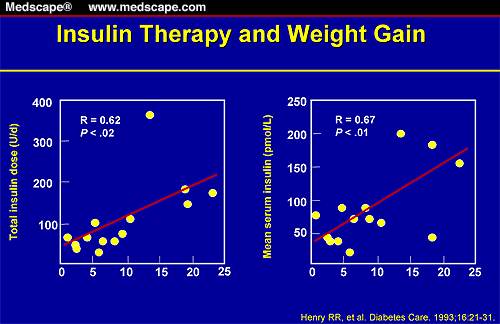
Finally, Henry et al (1993) took Type II diabetics and started them off with no insulin. They went from 0 units of insulin a day to 100 units at 6 months. As higher rates of insulin were administered, weight rose in the subjects. Insulin was given, people gained weight. A direct causal relationship (see figure above). However, what’s interesting about this study is that the researchers measured the amount of kcal ingested, the number of kcal ingested was reduced to 300 per day. Even as they took in less kcal, they gained 20 pounds! What’s going on here? Well, insulin is being administered and if you know anything about insulin it’s one of the hormones in the body that tells the body to either store fat or not burn it for energy. So what is occurring is the body is ramping down its metabolism in order for the subject to store more fat due to the exogenous insulin administered. Their TDEE dropped to about 1400 kcal, while they should have been losing weight on 1700 kcal! The CICO model predicts they should have lost weight, however, adaptive thermogenesis, better known as metabolic slow down, occurred which dropped the TDEE in order for the body to gain fat, as insulin directly causes obesity by signaling the body to store fat, so the body drops its metabolism in an attempt to do so.
Putting this all together, blacks and ‘Hispanics’ are more likely to be in poverty, have lower intelligence, and have higher rates of obesity and diabetes. Furthermore, blacks are more likely to have metabolic diseases (adaptive thermogenesis aka metabolic slowdown is a metabolic disease) which are related with obesity due to their muscle fiber typing which leads to lower maximal aerobic capacity (less blood and oxygen get around the body). Type II skeletal muscle fibers’ metabolic profile contributes to lower average aerobic capacity in blacks. It also is related to cardiometabolic diseases, in my opinion because they don’t have the muscle fiber typing to run long distances, thus increasing their aerobic capacity and VO2 max.
Due to the diets they consume, which, due to being in poverty and having lower intelligence, they consume more carbohydrates than whites, which jacks their blood glucose levels up and the body then releases insulin to drive the levels glucose in the body down. As insulin levels are spiked, the body becomes insulin resistant due to the low-quality diet. Over time, even a change in diet won’t fix the insulin resistance in the body. This is because since the body is insulin resistant it created more insulin which causes insulin resistance, a vicious cycle.
Poverty, intelligence and race both correlate with obesity, with the main factor being lower intelligence. Since those with lower IQs have a lack of foresight into the future, as well as a lower ability to delay gratification which also correlates with obesity, they cannot resist low-quality, high-carb food the same way one with a higher IQ can. This is seen with the Diaz et al study I linked, showing that whites have higher levels of fat intake, which means lower levels of carbohydrate intake in comparison to blacks and ‘Hispanics’. As I’ve shown, those in poverty (code word for low intelligence) ingest more refined carbohydrates, they have higher levels of obesity due to the constant spiking of their insulin, as I have shown with the 3 aforementioned studies. Since blacks and ‘Hispanics’ have lower levels of intelligence, they have lower levels of income which they then can only afford cheap, refined carbs. This leads to insulin being constantly spiked, and with how Americans eat nowadays (6 times a day, 3 meals and snacks in between), insulin is being spiked constantly with it only dipping down as the body goes into the fasted state while sleeping. This is why these populations are more likely to be obese, because they spike their insulin more. The main factor here, of course, is intelligence.
Another non-CICO cause for obesity is exposure to BPA in the womb. Researchers carried out BPA testing in three differing subjects: 375 babies invitro, (3rd trimester) children aged 3 (n=408) and aged 5 (n=518) (Hoepner, et al, 2016). They measured the children’s bodies as well as measuring body fat levels with bioelectrical impedance scales.Prenatal urinary BPA was positively associated with waist circumference as well as fat mass index, which was sex-specific. When analyzed separately, it was found that there were no associated outcomes in body fat for boys (however it does have an effect on testosterone), but there was for girls (this has to do with early onset puberty as well). They found that after controlling for SES and other environmental factors there was a positive correlation with fat mass index – a measure of body fat mass adjusted for height, body fat percentage and waist circumference. The researchers say that since there was no correlation between BPA and increased obesity, that prenatal exposure to BPA indicates greater vulnerability in that period. The sample was of blacks and Dominicans from New York City. Whites drink less bottled water, which has higher levels of BPA. Blacks and ‘Hispanics’ consume more, and thus have higher levels of obesity.
In conclusion, blacks and ‘Hispanics’ are more likely to be in poverty, have lower intelligence, higher rates of obesity and lower incomes. Due to lower incomes, cheap, refined carbohydrates is what they can afford in bulk as that’s mostly what’s around poor neighborhoods. Ingesting refined carbohydrates more often consistently jacks up blood glucose which the body then releases insulin to lower the levels. Over time, insulin resistance occurs, which then leads to obesity. As I’ve shown, there is a direct causal relationship between the amount of insulin administered and weight gain. With the aforementioned factors with these two populations, we can see how the hormonal theory of obesity fits in perfectly with what we know about these ethnic groups and the obesity rates within them. Since people in poverty gravitate more towards cheap and refined carbohydrates, they’re constantly spiking their insulin which, over time, leads to insulin resistance and obesity.
Muscle Fiber Typing and Race: Redux
I recently blogged on Muscle Fiber Typing, HBD, and Sports. I showed that differences in which race wins at what competition comes down to ancestry, which then correlates with muscle fiber typing. I came across this paper, Black and White race differences in aerobic capacity, muscle fiber type, and their influence on metabolic processes, today which, of course, proved my point on muscle fiber typing.
The authors say that obesity is a known risk factor of cardiometabolic disease (though Blüher 2012 says that up to 30 percent of obese patients are metabolically healthy with insulin sensitivity on the same level as thin individuals) and that cardio can reduce excess adipose tissue (this isn’t true either), maintains weight (maybe) and reduces the risk of obesity (it doesn’t) and cardiometabolic disease (this is true). The two major determinants of aerobic capacity are muscle fiber typing and “the capacity of the cardiorespiratory system to deliver nutrient-rich content to the muscle”. As I said in my previous article on muscle fiber typing, depending on which fibers an individual has determines whether or not they are predisposed to being good at endurance sports (Type I fibers) or being good at explosive sports (Type II fibers). Recent research has shown that blacks fiber typing predisposes them to a lower overall VO2 max.
VO2 max comes down to a strong oxygen support system and the capacity to contract a large number of muscle fibers at once, both of which are largely genetic. Lactic acid makes us tired, the best way to train is to minimize lactic acid production and maximize lactic acid removal during exercise. High-Intensity Interval Training, or HIIT, achieves this. The more O2 consumed during exercise, the less of a reliance there will be on the anaerobic breakdown of CHO to lactic acid.
Along with inadequate exercise, these variables place blacks at an increased risk for obesity as well as other negative metabolic factors in comparison to other races/ethnic groups. The author’s purpose of the review was to show how skeletal muscle fiber typing contributes to obesity in non-“Hispanic” black populations.
The review indicates that the metabolic properties of Type II fibers (reduced oxidative capacity, capillary density, which is a physiological measure that takes a cross-section of muscle and counts the number of blood vessels within. The measurement can be considered an indicator of physical health and is also related to the ability to do strenuous activity) are related to various cardiometabolic diseases.
Since non-“Hispanic” blacks have more Type II fibers on average, they have a lower maximal aerobic capacity. Combined with low Resting Energy Expidenture (REE) and reduced hemoglobin concentration (hemoglobin is a protein in the red blood cells that shuttles oxygen to your tissues and organs and transports carbon dioxide from your organs and tissues back to your lungs), non-“Hispanic” blacks may be predisposed (they are when you look at what the differing skeletal muscle fibers do in the body and if you have a basic understanding of physiology) to a lower maximal aerobic capacity, which contributes to obesity and metabolic disease in the non-“Hispanic” black population.
I have written on ethnicity and obesity last year. In the two racial groups that were tested, American non-“Hispanic” whites and American non-“Hispanic” blacks, what the researchers say holds true.
On the other hand, Kenyans have an average BMI of 21.5. Since we know that a high VO2 max and low BMI are correlated, this is why Kenyans succeed in distance running (along with VO2 max training, which only enhances the genetic effects that are already there).
Moreover, I wrote an article on how Black American Men with More African Ancestry Less Likely to Be Obese. How do we reconcile this with the data I have just written about?
Simple. The population in the study I’m discussing in this article must have had more non-African ancestry than the population that was gathered showing that black American men with more African ancestry are less likely to be obese. The researchers in that study looked at 3,314 genetic markers. They then tested whether sex modifies the association of West African genetic ancestry and body mass index, waist circumference, and waist to hip ratio. Also, they adjusted for income and education as well as examined associations of ancestry with the phenotypes of males and females separately. They conclude that their results suggest that a combination of male gender and West African ancestry is correlated with protection against central obesity and suggests that a portion of the difference in obesity (13.2 percent difference) may be due, in part to genetic factors. The study also suggests that there are specific genetic and physiologic differences in African and European Americans (take that, race-denialists =^) ).
Since both black men and women in America share the same environment, some genetic factors are at play in the differences in obesity rates between the two sexes with more African ancestry for black American men being the main reason.
Finally, I wrote an article on BPA consumption and obesity. The sample was on blacks and Dominicans (they’re black as well) in NYC. It was discovered that babes who were exposed to BPA more in childhood and in the womb had higher chances of being obese. This goes with what the authors of the study I’m citing in this article say. There are numerous environmental factors that pertain to obesity that’s not kcal in/out (which the First Law of Thermodynamics is irrelevant to human physiology). BPA consumption is one of them (as well as a cause for the current and ongoing cucking of Europe). Whites at all age groups drink more tap water. Blacks and ‘Hispanics’ were pretty much even in consumption of bottled water. Bottled water has BPA in the plastic, and since they drink more bottled water, they run the risk of their children being more prone to obesity due to the negative effects of BPA in the human body.
In sum, blacks are more likely to be faster due to their fiber typing, but are also more likely to be obese (in this sample, anyway which I assume was a mix of men and women. I will update this article when I find and read the full paper). They also run a higher risk of having related diseases, most notably due to a lower REE (showing they don’t walk around as much, since too much sitting increases mortality EVEN WITH EXERCISE. So if you have a desk job and don’t do any other physical activity and enjoy living, do more LISS, low-intensity steady-state cardio). These factors also, in part, explain why blacks have higher rates of hypertension (with Sickle Cell Anemia being another cause since when the blood is sickle-shaped, they crowd in the blood vessels causing blockage in the veins which leads to strokes and other diseases). The more the genetic factors that predispose people to obesity are understood (let’s be real here, there ARE genetic correlates with obesity), the better we can help those who suffer from the condition.
Misconceptions on Calories In and Calories Out
2550 words
(To those from “myproana.com”, DO NOT misconstrue what I wrote here. What I wrote here is perfectly understandable. I am NOT saying that “you have no metabolism”. My point is, low kcal dieting CAN and WILL destroy your metabolism. The literature is vast on this subject and it’s waiting for you to read it. Any further confusions, please comment and I will answer your questions.)
“Eat Less and move more!!! That’s how you lose weight!” What people who don’t understand about human metabolism and homeostasis is that when caloric reduction occurs, the body drops the metabolism to match the amount of kilocalories (kcal) it is receiving. Thus, weight will plateau and you will need to further decrease caloric consumption to lose more weight. In this article, I will go through what a calorie is, common misconceptions of Calories In and Calories Out, the reasons for metabolic slow down, the process of thermodynamics that people who don’t understand this research cry out whenever it’s said, and finally starvation experiments that prove metabolic slow down occurs during a decrease in caloric intake and how this metabolic slow down persists after the diet is over.
A kilocalorie is the heat required to raise 1 kilogram of water 1 degree celsius. This definition is used whenever people say ‘Calorie’.
Misconceptions on kcal in/kcal out
- One of the biggest misconceptions people have on Calories In/Calories out is that these variables are independent of each other. However, they are extremely dependent variables. When you decrease Calories In, your body decreases Calories Out. Basically, a 20 percent reduction in kcal will result in a 20 percent reduction in metabolism which the end result ends up being minimal weight loss.
- The next big assumption people have about Calories In and Calories Out is the assumption that the Basal Metabolic Rate (BMR) remains stable. Of course, measuring the caloric intake is simple. However, measuring caloric outtake is a much more complicated process. When ever the Total Daily Energy Expidenture (TDEE) is spoken of, that involves the BMR, thermic effect of food, nonexercise activity thermogenesis (the energy expidenture of all activities sans sports), excess post-exercise consumption (EPOC, a measurably increased rate of oxygen intake following increased oxygen depletion), as well as exercise. the TDEE can increase or decrease by as much as 50 percent depending on caloric intake as well as the aforementioned variables.
- The third misconception people have is that we have conscious control over what we eat. We decide to eat when we are hungry (obviously). But numerous hormonal factors dictate the decision on when to eat or when to stop. We stop eating when we are full, which is hormonally mediated. Like breathing, the regulation of body fat is under automatic control. Just like we don’t have to remind ourselves to breath or remind our heart to beat, we don’t need to remind ourselves to eat. Thus, since hormones control both Calories In and Calories Out, obesity is a hormonal, not caloric disorder.
- The fourth misconception is that fat stores are essentially unregulated. However, every single system in the body is regulated. Height increases come from growth hormones; blood sugar is regulated by insulin, glucagon, and numerous other hormones; sexual maturation is regulated by testosterone and estrogen (as well as the hormone leptin which I will return to later); body temperature is mediated by a thyroid-stimulating hormone, among numerous other biologic factors. Though, we are told that the production of fat cells is unregulated. This is false. The best researched hormone on the storage of fat cells that we know of is the hormone leptin which was discovered in 1994. So if hormones dictate fat gain, obesity is a hormonal, not caloric disorder.
- And the final misconception is that a calorie is a calorie. This implies that the only important variable on weight gain is caloric intake and thus all foods can be reduced to how much caloric energy they have. But a calorie of potatoes doesn’t have the same effect on the body as a calorie of olive oil. The potatoes will increase the blood glucose level, provoking a response from the pancreas, which olive oil will not. Olive oil is immediately transported to the liver and has no chance to induce an insulin response and so there is no increase in insulin or glucose.
All five of these assumptions have been proven false.
[9/21/16 edit:]
Calories in/out implies that during extended caloric restriction no matter the type of kcal (fat, CHO, protein, alcohol, except when alcohol is ingested your body puts fat storage on hold until all alcohol is metabolized from the body. You can see how wiith chronic drinkers as they are obese a lot of the time, with there being a strong link between alcoholism and obesity as there are nunmerous pathways related with each other that lead to excessive eating as well as dependance on alcohol and other drugs) ingested, as long as caloric restriction is continued that weight (fat) loss will be achieved. CICO adherents say that “a calorie is a calorie”, but what’s funny with that statement is that is violates the Second Law of Thermodynamics. Naturally, to CICO adherents since “a calorie is a calorie”, kcal would be restricted from fat since it’s the most calorie dense macro (alcohol coming in second at 7 kcal per gram). By doing this, CHO will be increased, as is recommended by all of the ‘experts’. “Increase CHO, fat leads to CD!!!” This isn’t true, that’s another reason for cutting fat, the supposed ‘increased risk of heart disease”. However, when this occurs, insulin is spiked and when insulin is spiked the body doesn’t use the fat stores for energy it uses the glucose from the carbs.
Putting this all together, let’s say someone’s TDEE is 2000 kcal per day (for a 14k kcal per week average) and they reduce it to 1200 kcal and go on a LFHC diet like is commonly recommended. Insulin remains high and therefore fat cannot be tapped into. This is due to the CICO mantra (which violates the 2nd LoT) “a calorie is a calorie” that leads people to believe that all calories are ‘equal’ in terms of hormonal responses in the body. Let’s take a piece of bread and a teaspoon of olive oil. When you eat the piece of bread, insulin is spiked in response to the glucose from the carbohydrate. When you drink the olive oil, it’s immediately absorbed by the liver eliciting no insulin spike. Clearly, with a long term LFHC diet, this will consistently occur and the body will be continuously using CHO for energy and not the fat stores as insulin is continuously spiked in the body. Insulin either tells the body to store fat or not burn it for energy. Eventually, over time, this leads to insulin resistance (however, insulin resistance may precede obesity and diabetes) and more metabolic problems amongst a myriad of other variables.
As kcal is reduced to 1200 per day, the body is forced to match its metabolism to what your intaking as it can’t get energy from anywhere else since “a calorie is a calorie”. This happens during any calorie restricted diet and is why diets are doomed to fail. This same thing happened with The Biggest Loser contestants. Notice how The First Law of Thermodynamics isn’t broken? It’s irrelevant.
See how the mantra “a calorie is a calorie” violates the Second law of thermodynamics and fails because the CICO model doesn’t take insulin into the equation, which is a causal factor with obesity?
[End edit]
The correlation between weight gain and caloric consumption has recently been discovered. Ladabaum, et al (2014) examined trends in obesity from 1988 to 2010. The trends they observed were: obesity, abdominal obesity, physical activity and caloric consumption in US adults. They discovered that the obesity rate increased at .37 percent per year while caloric intake remained virtually the same.
The Law of Thermodynamics
The first law of thermodynamics states that energy can not be created nor destroyed in an isolated system (this is important). People often invoke the LoT to support the Calories In and Calories Out model. Dr. Jules Hirsch says in this NYT article:
There is an inflexible law of physics – energy taken in must exactly equal the number of calories leaving the system when fat storage is unchanged. Calories leave the system when food is used to fuel the body. To lower fat content – reduce obesity – one must reduce calories taken in, or increase output by increasing activity, or both. This is true whether the calories come from pumpkins or peanuts or pâtés de foie gras.
To quote MD Jason Fung, author of The Obesity Code:
But thermodynamics, a law of physics, has minimal relevance to human biology for the simple reason that the human body is not an isolated system. Energy is constantly entering and leaving. In fact, the very act we are most concerned about-eating-puts energy into the system. Food energy is also excreted from the system in the form of stool Having studied a full year of thermodynamics in university, I can assure you that neither calories nor weight gain were mentioned even a single time. (Fung, 2016: 33)
We assume with the model of the calorie-balancing scale that fat gain or fat loss is unregulated, however, no system in the body is unregulated like that. Hormones tightly regulate all bodily functions. Body fat is no exception. The body actually has numerous ways in which to control body fat. Distribution of energy is the problem with fat accumulation. Too much energy is diverted to fat creation as opposed to body-heat production. Most of this is under automatic control, except exercise (which even then, there is a genetic basis for motivated exercise). We can’t decide whether or not to allocate calories to nail production or increase stroke volume. These metabolic processes are almost impossible to measure, and thus most assume that it’s relatively constant. Particularly, Calories In is not assumed to change in response to Calories Out. We assume these are independent variables. Reducing calories in only works if calories out remains constant. However what we find is that a sudden reduction of Calories In leads to a similar reduction of Calories Out and no weight is lost as the body balances its energy budget.
Starvation experiments
In 1919, a landmark study was carried out by Francis Benedict. The volunteers in the study agreed to a semi-starvation diet ranging from 1400 to 2100 kcal, approximately 30 percent of the subject’s bodyweight. The question was whether or not decreased caloric intake lead to a decrease in metabolism. The results were shocking.
The subjects experienced a 30 percent reduction in metabolism, with their initial caloric expidenture being 3000 kcal dropping to 1950 kcal. A 30 percent reduction in kcal resulted in a 30 percent decrease in metabolism. The First Law of Thermodynamics is not broken.
Towards the end of WWII, Dr. Ancel Keys wanted to improve understanding of starvation and better help Europe after the War. With an average height of 5 feet 10 inches and an average weight of 153 pounds, these were normal men, which Dr. Keys wanted to see the effects of a semi-starvation diet on those with a normal weight. For the first three months of the study, they were given slightly over 3000 kcal. Though over the next six months, they were given 1570 kcal. Eventually, some men were decreased to less than 1000 kcal a day. They were given a diet of foods high in carbs and low to no animal meat as that was the condition in Europe at the time. Moreover, they also had to walk 22 miles a week as exercise. Again, the results were shocking.
Dr. Keys showed that they had a 40 percent decrease in metabolic rate. The body decreased its metabolism to match the amount of calories consumed. They showed a 20 percent decrease in strength, a significant decrease in heart rate (55 to 35 beats per minute), stroke volume decreased by 20 percent, body temperature dropped to 95.8 degrees Fahrenheit (which makes sense since less caloric consumption means less energy for the body to convert into heat), physical endurance dropped by half, blood pressure dropped, they became tired and dizzy and finally their hair and nails grew extremely brittle. They couldn’t stop thinking about food. Some of them wrote cookbooks, others dreamed about food. They became obsessed with eating. All of these causes go directly back to decreased caloric consumption as the amount of heat produced by the body decreased due to an increase in caloric consumption. In sum, the body responds to a decrease in caloric intake by dropping metabolism.
Metabolic slow down
Recent data has come out on decreased energy expidenture due to dieting from contestants on the show The Biggest Loser. The contestants were followed for six years after the show ended. Fothergill, et al (2016) showed that after six years, most contestants gained back the original weight they lost, but their metabolism was still decreased by 600 kcal.
The mean metabolic adaptation had increased to 500 kcal per day, which explains why RMR remained 700 kcal per day below the baseline level despite a 90 lb body weight regain. The researchers even said that this large metabolic difference couldn’t be explained by the different calirometer used at the end of the six year period.
Substantial weight loss induces biological changes that promote weight gain.
Moreover, after a period of dieting, your brain panics and thinks it’s starving. During this time, the the production of the hunger hormone ghrelin increases. Levels of this hormone increase right before a meal and steadily decrease after. This is one of the many hormones that control when we’re hungry and this is one of the many reasons why diets fail and do not work long term.
Our bodies have homeostatic mechanisms that cause us to gain back or lose weight whenever caloric consumption is increased or decreased. The main cause is the body weight set-point which I will cover in a future article.
And a quote from Sandra Aamodt’s book “Why Diets Make Us Fat“:
“Leibel finds that metabolic suppression persists in dieters who have kept weight off for one to six years, so he scoffs at claims that the successful weight loss story disproves his ideas. “If you talk to people who’ve done it – not the studies, but people who actually manage to lose weight and keep it off – they’ll tell you what I’m telling you,” he says: that the only way to achieve this goal was to allow themselves to be hungry all the time while increasing their physical activity substantially. Indeed, his point is supported by data on the eating and exercise habits of people listed in the National Weight Control Registry, who have lost at least thirty pounds and kept it off for one year. A calorie calculator says that Dennis Asbury should have needed 2,100 calories to maintain his weight at 150 pounds, but instead he found that he needed to eat 400 to 500 calories less than that. Such metabolic suppression is the difference between being within the defended range and being below it. Many people blame others for eating too much or exercising too little, assuming incorrectly that both are under voluntary control, but it’s much harder to justify holding people responsible for diet-induced changes in the way the body burns energy.” (Aamodt, 2016, pg. 68)
Conclusion
The fact of the matter is, kcal in and out is completely misunderstood due to a non-understanding of human metabolism. As we decrease our caloric intake, our body adjusts its metabolism down to match the amount of kcal we are currently consuming. This is why Calories In and Calories Out does not tell the whole story. Our body constantly fights to maintain what is normal, its set-point. When thrown out of what the brain considers ‘normal’ the brain through the hypothalamus does whatever it can to get us back to its set-point. Thus, obesity is a hormonal, not a caloric disorder.
Science Proves It: Fat-shaming Doesn’t Work
2250 words
Milo Yiannopoulos published an article yesterday saying that “fat-shaming works”. It’s clear that the few papers he cites he didn’t read correctly while disregarding the other studies stating the opposite saying “there is only one serious study”. There is a growing body of research that says otherwise.
He first claims that with the knowledge of what he is going to show will have you armed with the facts so that you can hurl all the insults you want at fat people and genuinely be helping them. This is objectively wrong.
In the study he’s citing, the researchers used a quantitative analysis using semi-structured interview data (which is used when subjects are seen only one time and are instructed by the researchers what the guidelines of the experiment will be in order to get the reliable, comparable, and quality data) on 40 adolescents who lost at least 10 pounds and maintained their weight loss for at least a year. This guideline came from Wing and Hill (2001) who say that maintaining a 10 percent weight loss for one year is successful maintenance. He claims that the abstract says that bullying by the peer group induces weight loss. Though, it’s clear that he didn’t read the abstract correctly because it says:
In contrast to existing literature, our findings suggest that primary motivating factors for adolescent weight loss may be intrinsic (e.g., desire for better health, desire to improve self-worth) rather than extrinsic. In addition, life transitions (e.g., transition to high school) were identified as substantial motivators for weight-related behavior change. Peer and parental encouragement and instrumental support were widely endorsed as central to success. The most commonly endorsed weight loss maintenance strategies included attending to dietary intake and physical activity levels, and making self-corrections when necessary.
Peer encouragement and instrumental support were two variables that are the keys to success in childhood weight loss maintenance, not fat-shaming as he claims.
The same study found that obese people were more likely to lose weight around “life transitions,” like starting high school. In other words, people start to worry about how others will see them, especially when they need to make a good first impression. Fear of social judgement is key. So keep judging them.
The study didn’t find that at all. In fact, it found the opposite.
According to a new study, while most teens’ weight loss attempts don’t work, the ones who do lose weight successfully, quite simply, do it for themselves, rather than to please their (bullying) peers or (over-pressuring) parents.
He then cites a paper from the UCLA stating that social pressure on the obese (fat-shaming) will lead to positive changes. Some of the pressures referenced are:
If you are overweight or obese, are you pleased with the way you look?
Are you happy that your added weight has made many ordinary activities, such as walking up a long flight of stairs, harder?
The average fat person would say no to the first two.
Are you pleased when your obese children are called “fatty” or otherwise teased at school?
Fair or not, do you know that many people look down upon those excessively overweight or obese, often in fact discriminating against them and making fun of them or calling them lazy and lacking in self-control?
Self-control has a genetic component.In a 30 year follow-up to the Marshmallow Experiment, those who lacked self-control during pre-school had a higher chance of becoming obese 30 years later. Analyzing self-reported heights and weights of those who participated in the follow-up (n=164, 57 percent women), the researchers found that the duration of the delay on the gratification task accounted for 4 percent of the variance in BMI between the subjects, which, according to the researchers, was responsible for a significant portion of the variation in the subjects. The researchers also found that each additional minute they delayed gratification that there was a .2 reduction in BMI.
Why? Because people change their health and dietary habits to mimic that of their friends and loved ones, especially if they spend lots of time around them. Peer pressure encourages people to look like the people they admire and whose company they enjoy. Unless there’s a more powerful source of social pressure (say, fat shaming) from the rest of society, of course.
Not even thinking of the genetic component. The increase in similarity relative to strangers is on the level of 4th cousins. Thus, since ‘dietary habits are mimicked by friends and family’, what’s really going on is genotypic matching and that, not socialization, is the cause for friends and family mimicking diets.
There is only one serious study, from University College London, that suggests fat-shaming doesn’t work, and it’s hopelessly flawed. Firstly, it’s based on survey data — relying on fat people to be honest about their weight and diets. Pardon the pun, but … fat chance!
Moreover, the study defines “weight discrimination” much like feminists define “misogyny,” extending it to a dubiously wide range of behaviours, including “being treated poorly in shops.” The study also takes survey answers from 50-year olds and tries to apply them to all adults. But in what world do 20-year-olds behave the same way as older people?
The paper he cites, Perceived Weight Discrimination and Changes in Weight, Waist Circumference, and Weight Status, does say what he claims. However, the researchers do say that due to having a sample of people aged 50 and older that it wasn’t applicable to younger populations (as well as other ethnicities, this sample being 97.9 percent white). (Which you can tell he did not read, and if he did he omitted this section.)
The researchers found that 5.1 percent of the participants reported being discriminated on the basis of their weight. They discovered that those who experienced weight discrimination were more likely to engage in behaviors that promoted weight gain, and were more likely to see an increase in weight and waist circumference. Also observed, was that weight discrimination was a factor in early onset obesity.
Present research indicates that in addition to poorer mental health outcomes, weight discrimination has implications for obesity. Rather than motivating people to lose weight, weight discrimination increases the risk for obesity. Sutin and Terraciano (2013) conclude that though fat shaming is thought to have a positive effect on weight loss and maintenance, it is, in reality, associated with maintenance of obesity. Also seen in this sample of over 6,000 people was that those who experienced weight discrimination were 2.5 times more likely to become obese in the next few years.Further, obese subjects were 3.2 times as likely to remain obese over the next few years.
Sutin et al (2014) also showed how weight discrimination can lead to “poor subjective health, greater disease burden, lower life satisfaction and greater loneliness at both assessments and with declines in health across the four years”.
Puhl and Heuer (2010) says that weight discrimination is not a tool for obesity prevention and that stigmatization of the obese leads to threatened health, the generation of health disparities and, most importantly, it interferes with effective treatments.
Tomiyama (2014) showed that any type of fat shaming leads to an increase in weight and caloric consumption.
Shvey, Puhl, and Brownell (2011) found in a sample of 73 overweight women, that those who watched a video in which weight discrimination occurred ate 3 times as many calories than those who did not see the video. The authors conclude that despite people claiming that weight discrimination works for weight loss, the results of the study showed that it leads to overeating, which directly challenges the (wrong) perception on weight discrimination being positive for weight loss.
Participants were from an older population, in which weight change and experiences of weight discrimination may differ relative to younger populations so findings cannot be assumed to generalize
Puhl and King (2013) show that weight discrimination and bullying during childhood can lead to “depression, anxiety, low self-esteem, body dissatisfaction, suicidal ideation, poor academic performance, lower physical activity, maladaptive eating behaviors, and avoidance of health care.”
I expect we’ll see more of these pseudo-studies, and not just because academics tend to be lefties. Like climate scientists before them, I suspect a substantial number of “fat researchers” will simply choose to follow the political winds, and the grant money that follows them, rather than seeking the truth.
He is denying the negative implications of fat-shaming, disregarding the ‘one study’ (or so he claims) that shows the opposite of what he cited (which he didn’t read fully). I also like how these studies are called ‘pseudo-studies’ when the conclusion that’s found is a conclusion he doesn’t like. Really objective journalism there.
The reverse is also true. Just being around attractive women raises a man’s testosterone.
The researchers say that talking with a beautiful woman for five minutes led to 14 percent increase in testosterone and a 48 percent increase in cortisol, the anti-stress hormone.
Of course, this has its grounds in evolution. When two people are attracted to each other, they begin to mimic each other’s movements and using the same body language unconsciously. The researchers he cited concluded that “women may release steroid hormones to facilitate courtship interactions with high-value men“. This, of course, has an evolutionary basis. Women seek the best mate that will be able to provide the most for them. Men and women who are more attractive are also more intelligent on average with the reverse holding true for fat people, who are uglier and less intelligent on average.
Though it would be to un-PC to conduct an experiment proving it, it stands to reason that looking at fat, ugly people depresses testosterone. This is certainly how any red-blooded man feels when looking at a hamplanet.
Depressed testosterone is associated with many negative health outcomes, and thus the mere presence of fat people is actively harming the population’s health — particularly men’s, since we’re more visual. We ban public smoking based on the minuscule effects of “passive” intake, so why aren’t the same lefty, public-health aware politicians clamouring for a ban on fat people being seen in public?
A study conducted on people’s hormonal response to the obese and overweight may indeed show a decrease in testosterone and cortisol. Though, these hormonal responses are temporary, which he doesn’t say.
Instead, the same lefties who want to stop us having fags or drinking too much in public (and even alcoholics and chain smokers are healthier than the obese) are the same ones urging the authorities to treat “fat-shaming” as a crime and investigate it. Insane!
There are, contrary to popular belief, obese people who are metabolically healthy. Blüher (2012) reviewed the data on obese patients and found that 30 percent of them were metabolically healthy with the obese patients having similar levels of insulin sensitivity similar to lean individuals.
Moreover, new research has found that having a BMI of 27 leads to a decrease in mortality. In a huge study of over 120,000 people, the researchers gathered people from Copenhagen, Denmark, recruiting people from 1976 to 2013. They were then separately compared to those who were recruited in the 70s, 90s, and 00s. Surprisingly, the BMI linked with the lowest risk of having died from any cause was 23.7 in the 70s, 24.6 in the 90s, and 27 from 2003-2013. Due to the results of this study, the researchers are arguing that BMI categories may need adjusting.
As shown in that 2014 study, young people in particular are concerned about what their peers think about them, especially when they start high school. That’s why it’s so critical to let them know that their instincts are correct, and that they can’t be “healthy at any size.”
If you can be unhealthy at any size, why can’t you be ‘healthy at any size’? As I’ve shown, those with a BMI of 27, on average, are metabolically similar to those with to those with lower BMIs. Since, in the study previously cited, BMI increased while mortality decreased, technological advancements in caring for diseases, such as Diabetes Mellitus, improved, this is one possible explanation for this.
Those with a BMI under 25 may still suffer from negative effects, the same as obese people. They may suffer from metabolic syndrome, high triglycerides, low HDL, small LDL particles, high blood sugar and high insulin. Those who are skinny fat need to worry more about their vital organs, as the fat deposits they carry are white fat which is wrapped around the vital organs in the body. These are some of the reasons why being skinny fat can be more dangerous than being obese or overweight: they think that because their BMI is in the ‘normal range’ that they’re fine and healthy. Clearly, sometimes even being ‘underlean’ can have serious consequences worse than obesity.
Then he brings up smoke shaming and bills being passed to stop smokers from smoking in certain public areas lead to a decrease in smoking, so fat shaming makes sense in that manner.
Except it doesn’t.
Humans need to eat, we don’t need to smoke. Moreover, since the rising rates in obesity coincide with the increase in height, it has been argued by some researchers that having an obese population is just a natural progression of first world societies.
Fat shaming doesn’t work. It, ironically, makes the problem worse. The physiological components involved with eating are a factor as well. It is known that the brain scans of the obese and those addicted to cocaine mirror each other. With this knowledge of food changing the brain, we can think of other avenues that do not involve shaming people for their weight, which increases the problem we all hate.
 NotPoliticallyCorrect