“the study of the brains of human races would lose most of its interest and utility” if variation in size counted for nothing ([Broca] 1861 , p. 141). Quoted in Gould, 1996: 115)
The law is: small brain, little achievement; great brain, great achievement (Ridpath, 1891: 571)
I can’t hope to give as good a review as Gould’s review in Mismeasure of Man on the history of skull measuring, but I will try to show that hereditarians are mistaken in their brain size-IQ correlations and racial differences in brain size as a whole.
The claim that brain size is causal for differences in intelligence is not new. Although over the last few hundred years there has been back and forth arguments on this issue, it is generally believed that there are racial differences in brain size and that this racial difference in brain size accounted for civilizational accomplishments, among other things. Notions from Samuel Morton which seem to have been revived by Rushton in the 80s while formulating his r/K selection theory show that the racism that was incipient in the time period never left us, even after 1964. Rushton and others merely revived the racist thought of those from the 1800s.
Using MRI scans (Rushton and Ankney, 2009) and measuring the physical skull, Rushton asserted that the differences in brain size and quality between races accounted for differences in IQ. Although Rushton was not alone in this belief, this belief on the relationship between brain weight/structure and intelligence goes back centuries. In this article, I will review studies on racial differences in brain size and see if Rushton et al’s conclusions hold on not only brain size being causally efficacious for IQ but there being racial and differences in brain size and the brain size and IQ correlation.
The Morton debate
Morton’s skull collection has received much attention over the years. Gould (1978) first questioned Morton’s results on the ranking of skulls. He argued that when the data was properly reinterpreted, “all races have approximately equal capacities.” The skulls in Morton’s collection were collected from all over. Morton’s men even robbed graves to procure skulls for Morton, even going as far to take “bodies in front of grieving relatives and boiled flesh off fresh corpses” (Fabian, 2010: 178). One man even told Morton that grave robbing gave him a “rascally pleasure” (Fabian, 2010: 15). Indeed, grave robbing seems to have been a way to procure many skulls which were used in these kinds of analyses (Monarrez et al, 2022). Nevertheless, since skulls house brains, the thought is that by measuring skulls then we can ascertain the brain of the individual that the skull belonged to. A larger skull would imply a larger brain. And larger brains, it was said, belong to more “intelligent” people. This assumption was one that was held by the neurologist Broca, and this then justified using brain weight as a measure of intelligence. Though in 1836, an anti-racist Tiedemann (1836) argued that there were no differences in brain size between whites and blacks. (Also see Gould, 1999 for a reanalysis of Tiedemann where he shows C > M > N in brain size, but concludes that the “differencesare tiny and probably of no significancein the judgment of intelligence” (p 10).) It is interesting to note that Tiedemann and Morton worked with pretty much the same data, but they came to different conclusions (Gould, 1999; Mitchell, 2018).
In 1981 Gould published his landmark book The Mismeasure of Man (Gould, 1981/1996). In the book, he argued that bias—sometimes unconscious—pervaded science and that Morton’s work on his skull collection was a great example of this type of bias. Gould (1996: 140) listed many reasons why group (race) differences in brain size have never been demonstrated, citing Tobias (1970):
After all, what can be simpler than weighing a brain?—take it out, and put it on the scale. One set of difficulties refers to problems of measurement itself: at what level is the brain severed from the spinal cord; are the meninges removed or not (meninges are the brain’s covering membranes, and the dura mater, or thick outer covering, weighs 50 to 60 grams); how much time elapsed after death; was the brain preserved in any fluid before weighing and, if so, for how long; at what temperature was the brain preserved after death. Most literature does not specify these factors adequately, and studies made by different scientists usually cannot be compared. Even when we can be sure that the same object has been measured in the same way under the same conditions, a second set of biases intervenes—influences upon brain size with no direct tie to the desired properties of intelligence or racial affiliation: sex, body size, age, nutrition, nonnutritional environment, occupation, and cause of death.
Nevertheless, in Mismeasure, Gould argued that Morton had unconscious bias where he packed the skulls of smaller African skulls more loosely while he would pack the skulls of a smaller Caucasian skull tighter (Gould made this inference due to the disconnect between Morton’s lead shot and seed measurements).
Plausible scenarios are easy to construct. Morton, measuring by seed, picks up a threateningly large black skull, fills it lightly and gives it a few desultory shakes. Next, he takes a distressingly small Caucasian skull, shakes hard, and pushes mightily at the foramen magnum with his thumb. It is easily done, without conscious motivation; expectation is a powerful guide to action. (1996: 97)
…
Yet through all this juggling, I detect no sign of fraud or conscious manipulation. Morton mad e no attempt to cove r his tracks and I must presume that he was unaware he had left them. He explained all his procedure s and published all his raw data. All I can discern is an a priori conviction about racial ranking so powerful that it directed his tabulations along preestablished lines. Yet Morton was widely hailed as the objectivist of his age, the man who would rescue American science from the mire of unsupported speculation. (1996: 101)
But in 2011, a team of researchers tried to argue that Morton did not manipulate data to fit his a priori biases (Lewis et al, 2011). They claimed that “most of Gould’s criticisms are poorly supported or falsified.” They argued that Morton’s measurements were reliable and that Morton really was the scientific objectivist many claimed him to be. Of course, since Gould died in 2002 shortly after publishing his magnum opus The Stuecure of Evolutionary Theory, Gould could not defend his arguments against Morton.
Weisberg (2014) was the first to argue against Lewis et al’s conclusions on Gould. Weisberg argued that while Gould sometimes overstated his case, most of his arguments were sound. Weisberg argued that, contra what Lewis et al claimed, they did not falsify Gould’s claim, which was that the difference between shot and seed measurements showed Morton’s unconscious racial bias. While Weisberg rightly states that Lewis et al uncovered some errors that Gould made, they did not successfully refute two of Gould’s main claims: “that there is evidence that Morton’s seed‐based measurements exhibit racial bias and that there are no significant differences in mean cranial capacities across races in Morton’s collection.”
There is prima facie evidence of racial bias in Morton’s (or his assistant’s) seed‐basedmeasurements. This argument is based on Gould’s accurate analysis of the difference between the seed‐ and shot‐based measurements of the same crania.
Gould is also correct about two other major issues. First, sexual dimorphism is a very suspicious source of bias in Morton’s reported averages. Since Morton identified most of his sample by sex, this is something that he could have investigated and corrected for. Second, when one takes appropriately weighted grand means of Morton’s data, and excludes obvious sources of bias including sexual dimorphism, then the average cranial capacity of the five racial groups in Morton’s collection is very similar. This was probably the point that Gould cared most about. It has been reinforced by my analysis.
[This is Weisberg’s reanalysis]
So Weisberg successfully defended Gould’s claim that there are no general differences in the races as ascribed by Morton and his contemporaries.
In 2015, another defense of Gould was mounted (Kaplan, Pigliucci and Banta, 2015). Like Weisberg before them, they also state that Gould got some things right and some things wrong, but his main arguments weren’t touched by Lewis et al. Kaplan et al stated that while Gould was right to reject Morton’s data, he was wrong to believe that “a more appropriate analysis was available.” They also argue due to the “poor datasetno legitimateinferences to“natural” populations can be drawn.” (See Luchetti, 2022 for a great discussion of Kaplan, Pigliucci and Banta.)
In 2016, Weisberg and Paul (2016) argued that Gould assumed that Morton’s lead shot method was an objective way to ascertain the cranial capacities of skulls. Gould’s argument rested on the differences between lead shot and seed. Then in 2018, Mitchell (2018) published a paper where he discovered lost notes of Morton’s and he argued that Gould was wrong. He, however, admitted that Gould’s strongest argument was untouched—the “measurement issue” (Weisberg and Paul, 2016) was Gould’s strongest argument, deemed “perceptive” by Mitchell. In any case, Mitchell showed that the case of Morton isn’t one of an objective scientist looking to explain the world sans subjective bias—Morton’s a priori biases were strong and strongly influenced his thinking.
Lastly, ironically Rushton used Morton’s data from Gould’s (1978) critique, but didn’t seem to understand why Gould wrote the paper, nor why Morton’s methodology was highly suspect. Rushton basically took the unweighted average for “Ancient Caucasian” skulls, and the sex/age of the skulls weren’t known. He also—coincidentally I’m sure—increased the “Mongoloid skull” size from 85 to 85.5cc (Gould’s table had it as 85cc). Amazingly—and totally coincidentally, I’m sure—Rushton miscited Gould’s table and basically combined Morton’s and Gould’s data, increased the skull size slightly of “Mongoloids” and used the unweighted average of “Ancient Caucasian” skulls (Cain and Vanderwolf, 1990). How honest of Rushton. It’s ironic how people say that Gould lied about Morton’s data and that Gould was a fraud, when in all actuality, Rushton was the real fraud, never recanting on his r/K theory, and now we can see that Rushton actually miscited and combined Gould’s and Morton’s results and made assumptions without valid justification.
The discussion of bias in science is an interesting one. Since science is a social endeavor, there necessarily will be bias inherent in it, especially when studying humans and discussing the causes of certain peculiarities. I would say that Gould was right about Morton and while Gould did make a few mistakes, his main argument against Morton was untouched.
Skull measuring after Morton
The inferiority of blacks and other non-white races has been asserted ever since the European age of discovery. While there were of course 2 camps at the time—one which argued that blacks were not inferior in intelligence and another that argued they were—the claim that blacks are inferior in intelligence was, and still is, ubiquitous. They argued that smaller heads meant that one was less intelligent, and if groups had smaller heads then they too were less intelligent than groups that had smaller heads. This then was used to argue that blacks hadn’t achieved any kind of civilizational accomplishments since they were intellectually inferior due to their smaller brains (Davis, 1869; Campbell, 1891; Hoffman, 1896; Ridpath, 1897; Christison, 1899).
Robert Bean (1906) stated, using cadavers, that his white cadavers had larger frontal lobes than his black cadavers. He concluded that blacks were more objective than whites who were more subjective, and that white cadavers has larger frontal and anterior lobes than black cadavers. However, it seems that Bean did not state one conclusion—that the brain’s of his cadavers seemed to show no difference. Gould (1996: 112) discusses this issue (see Mall, 1909: 8-10, 13; Reuter, 1927). Mall (1909: 32) concluded, “In this study of several anatomical characters said to vary according to race and sex, the evidence advanced has been tested and found wanting.”
Franz Boas also didn’t agree with Bean’s analysis:
Furthermore, in “The Anthropological Position of the Negro,” which appeared in Van Norden)- Magazine a few months later, Boas attempted to refute Bean by arguing that “the anatomical differences” between blacks and whites “are minute,” and “no scientific proof that will stand honest proof … would prove the inferiority of the negro race.”39 (Williams, 1996: 20)
In 1912, Boas argued that the skull was plastic, so plastic that changes in skull shape between immigrants and their progeny were seen. His results were disputed (Sparks and Jantz, 2002), though Gravlee, Bernard, and Leonard (2002) argued that Boas was right—the shape of the skull indeed was influenced by environmental factors.
When it comes to sex, brain size, and intelligence, this was discredited by Alice Lee in her thesis in 1900. Lee created a way to measure the brain of living subjects and she used her method on the Anthropological Society and showed a wife variation, with of course overlapping sizes between men and women.
Lee, though, was a staunch eugenicist and did not apply the same thinking to race:
After dismantling the connection between gender and intellect, a logical route would have been to apply the same analysis to race. And race was indeed the next realm that Lee turned to—but her conclusions were not the same. Instead, she affirmed that through systematic measurement of skull size, scientists could indeed define distinct and separate racial groups, as craniometry contended. (The Statistician Who Debunked Sexist Myths About Skull Size and Intelligence)
Contemporary research on race, brain size, and intelligence
Starting from the mid-1980s when Rushton first tried to apply r/K to human races, there was a lively debate in the literature, with people responding to Rushton and Rushton responding back (Cain and Vanderwolf, 1990; Lynn, 1990; Rushton, 1990; Mouat, 1992). Why did Rushton seemingly revive this area of “research” into racial differences in brain size between human races?
Centring Rushton’s views on racial differences needs to start in his teenage years. Rushton stated that being surrounded by anti-white and anti-western views led to him seeking out right-wing ideas:
JPR recalls how the works of Hans Eysenck were significantly influential to the teenage Rushton, particularly his personality questionnaires mapping political affiliation to personality. During those turbulent years JPR describes bundled as growing his hair long becoming outgoing but utterly selfish. Finding himself surrounded by what he described as anti-white and anti-western views, JPR became interested in right-wing groups. He went about sourcing old, forbidden copies of eugenics articles that argued that evolutionary differences existed between blacks and whites. (Forsythe, 2019) (See alsoDutton, 2018.)
Knowing this, it makes sense how Rushton was so well-versed in old 18 and 1900s literature on racial differences.
For decades, J. P. Rushton argued that skulls and brains of blacks were smaller than whites. Since intelligence was related to brain size in Rushtonian r/K selection theory, this meant that what would account for some of the intelligence differences based on IQ scores between blacks and whites could be accounted for by differences in brain size between them. Since the brain size differences between races accounted for millions of brain cells, this could then explain race differences in IQ (Rushton and Rushton, 2003). Rushton (2010) went as far to argue that brain size was an explanation for national IQ differences and longevity.
Rushton’s thing in the 90s was to use MRI to measure endocranial volumes (eg Rushton and Ankney, 1996). Of course they attempt to show how smaller brain sizes are found in lower classes, women, and non-white races. Quite obviously, this is scientific racism, sexism, and classism (which Murray 2020 also wrote a book on). In any case, Rushton and Ankney (2009) tried arguing for “general mental ability” and whole brain size, trying to argue that the older studies “got it right” in regard to not only intelligence and brain size but also race and brain size. (Rushton and Ankney, just like Rushton and Jensen 2005, cited Mall, 1909 in the same sentence as Bean, 1906 trying to argue that the differences in brain size between whites and blacks were noted then, when Mall was a response specifically to Bean! See Gould 1996 for a solid review of Bean and Mall.) Kamin and Omari (1998) show that whites had greater head height than blacks while blacks had greater head length and circumference. They described many errors that Lynn, Rushton and Jensen made in their analyses of race and head size. Not only did Rushton ignore Tobias’ conclusions when it comes to measuring brains, he also ignored the fact that American Blacks, in comparison to American, French and English whites, had larger brains in Tobias’ (1970) study (Weizmann et al, 1990).
Rushton and Ankney (2009) review much of the same material they did in their 1996 review. They state:
The sex differences in brain size present a paradox. Women have proportionately smaller average brains than men but apparently have the same intelligence test scores.
This isn’t a paradox at all, it’s very simple to explain. Terman assumed that men and women should be equal in IQ and so constructed his test to fit that assumption. Since Terman’s Stanford-Binet test is still in use today, and since newer versions are “validated” on older versions that held the same assumption, then it follows that the assumption is still alive today. This isn’t some “paradox” that needs to be explained away by brain size, we just need to look back into history and see why this is a thing. The SAT has been changed many times to strengthen or weaken sex differences (Rosser, 1989). It’s funny how this completely astounds hereditarians. “There are large differences in brain size between men and women but hardly if any differences in IQ, but a 1 SD difference in IQ between whites and blacks which is accounted for in part by brain size.” I wonder why that never struck them as absurd? If Rushton accepted brain weight as an indicator that IQ test scores reflected differences in brain size between the races, then he would also need to accept that this should be true for men and women (Cernovsky, 1990), but Rushton never proposed anything like that. Indeed he couldn’t, since sex differences in IQ are small or nonexistent.
In their review papers, Rushton and Ankney, as did Rushton and Jensen (I should assume that this was Rushton’s contribution to the paper since he also has the same citations and arguments in his book and other papers) consistently return to a few references: Mall, Bean, Vint and Gordon, Ho et al and Beals et al. Cernovsky (1995) has a masterful response to Rushton where he dismantles his inferences and conclusions based on other studies. Cernovsky showed that Rushton’s claim that his claim that there are consistent differences between races in brain size is false; Rushton misrepresented other studies which showed blacks having heavier brains and larger cranial capacities than whites. He misrepresented Beals et al by claiming that the differences in the skulls they studied are due to race when race was spurious, climate explained the differences regardless of race. And Rushton even misrepresented Herskovits’ data which showed no difference in regarding statute or crania. So Rushton even misrepresented the brain-body size literature.
Now I need to discuss one citation line that Rushton went back to again and again throughout his career writing about racial differences. In articles like Rushton (2002)Rushton and Jensen (2005), Rushton and Ankney (2007, 2009) Rushton went back to a similar citation line: Citing 1900s studies which show racial differences. Knowing what we know about Rushton looking for old eugenics articles that showed that evolutionary differences existed between blacks and whites, this can now be placed into context.
Weighing brains at autopsy, Broca (1873) found that Whites averaged heavier brains than Blacks and had more complex convolutions and larger frontal lobes. Subsequent studies have found an average Black–White difference of about 100 g (Bean, 1906; Mall, 1909; Pearl, 1934; Vint, 1934). Some studies have found that the more White admixture (judged independently from skin color), the greater the average brain weight in Blacks (Bean, 1906; Pearl, 1934). In a study of 1,261 American adults, Ho et al. (1980) found that 811 White Americans averaged 1,323 g and 450 Black Americans averaged 1,223 g (Figure 1).
There are however, some problems with this citation line. For instance, Mall (1909) was actually a response to Bean (1906). Mall was race-blind to where the brains came from after reanalysis and found no differences in the brain between blacks and whites. Regarding the Ho et al citation, Rushton completely misrepresented their conclusions. Further, brains that are autopsied aren’t representative of the population at large (Cain and Vanderwolf, 1990; see also Lynn, 1989; Fairchild, 1991). Rushton also misrepresented the conclusions in Beals et al (1984) over the years (eg, Rushton and Ankney, 2009). Rushton reported that they found his same racial hierarchy in brain size. Cernovsky and Littman (2019) stated that Beals et al’s conclusion was that cranial size varied with climatic zone and not race, and that the correlation between race and brain size was spurious, with smaller heads found in warmer climates, regardless of race. This is yet more evidence that Rushton ignored data that fid not fit his a priori conclusions (see Cernovsky, 1997; Lerner, 2019: 694-700). Nevertheless, it seems that Rushton’s categorization of races by brain size cannot be valid (Peters, 1995).
It would seem to me that Rushton was well-aware of these older papers due to what he read in his teenage years. Although at the beginning of his career, Rushton was a social learning theorist (Rushton, 1980), quite obviously Rushton shifted to differential psychology and became a follower—and collaborator—of Jensenism.
But what is interesting here in the renewed ideas of race and brain size are the different conclusions that different investigators came to after they measured skulls. Lieberman (2001) produced a table which shies different rankings of different races over the past few hundred years.
Table 1 from Lieberman, 2001 showing different racial hierarchies in the 19th and 20th century
As can be seen, there is a stark contrast in who was on top of the hierarchy based on the time period the measurements were taken. Why may this be? Obviously, this is due to what the investigator wanted to find—if you’re looking for something, you’re going to find it.
Rushton (2004) sought to revive the scala naturae, proposing that g—the general factor of intelligence—sits a top a matrix of correlated traits and he tried to argue that the concept of progress should return to evolutionary biology. Rushton’s r/K theory has been addressed in depth, and his claim that evolution is progressive is false. Nevertheless, even Rushton’s claim that brain size was selected for over evolutionary history also seems to be incorrect—it was body size that was, and since larger bodies have larger brains this explains the relationship. (See Deacon, 1990a, 1990b.)
Salami et al (2017) used brains from fresh cadavers, severing them from the spinal cord at the forum magnum and they completely removed the dura mater. This then allowed them to measure the whole brain without any confounds due to parts of the spinal cord which aren’t actually parts of the brain. They found that the mean brain weight for blacks was 1280g with a ranging between 1015g to 1590g while the mean weight of male brains was 1334g. Govender et al (2018) showed a 1404g mean brain weight for the brains of black males.
Rushton aggregated data from myriad different sources and time periods, claiming that by aggregating even data which may have been questionable in quality, the true differences in brain size would appear when averaged out. Rushton, Brainerd, and Pressley, 1983 defended the use of aggregation stating “By combining numerous exemplars, such errors of measurement are averaged out, leaving a clearer view of underlying relationships.” However, this method that Rushton used throughout his career has been widely criticized (eg, Cernovsky, 1993; Lieberman, 2001).
Rushton was quoted as saying “Even if you take something like athletic ability or sexuality—not to reinforce stereotypes or some such thing—but, you know, it’s a trade-off: more brain or more penis. You can’t have both.” How strange—because for 30 years Rushton pushed stereotypes as truth and built a whole (invalid) research program around them. The fact of the matter is, for Rushton’s hierarchy when it comes to Asians, they are a selected population in America. Thus, even there, Rushton’s claim rests on values taken from a selected population into the country.
While Asians had larger brains and higher IQ scores, they had lower sexual drive and smaller genitals; blacks had smaller brains and lower IQ scores with higher sexual drive and larger genitals; whites were just right, having brains slightly smaller than Asians with slightly lower IQs and lower sexual drive than blacks but higher than Asians along with smaller genitals than blacks but larger than Asians. This is Rushton’s legacy—keeping up racial stereotypes (even then, his claims on racial differences in penis size do not hold.)
The misleading arguments on brain size lend further evidence against Rushton’s overarching program. Thus, this discussion is yet more evidence that Rushton was anything but a “serious scholar” who trolled shopping malls asking people their sexual exploits. He was clearly an ideologue with a point to prove about race differences which probably manifested in his younger, teenage years. Rushton got a ton wrong, and we can now add brain size to that list, too, due to his fudging of data, misrepresenting data, and not including data that didn’t fit his a priori biases.
Quite clearly, whites and Asians have all the “good” while blacks and other non-white races have all the “bad.” And thus, what explains social positions not only in America but throughout the world (based on Lynn’s fraudulent national IQs; Sear, 2020) is IQ which is mediated by brain size. Brain size was but a part of Rushton’s racial rank ordering, known as r-K selection theory or differential K theory. However, his theory didn’t replicate and it was found that any differences noticed by Rushton could be environmentally-driven (Gorey and Cryns, 1995; Peregrine, Ember and Ember, 2003).
The fact of the matter is, Rushton has been summarily refuted on many of his incendiary claims about racial differences, so much so that a couple of years ago quite a few of his papers were retracted (three in one swipe). While a theoretical article arguing about the possibility that melanocortin and skin color may mediate aggression and sexuality in humans (Rushton and Templer, 2012). (This appears to be the last paper that Rushton published before his death in October, 2012. How poetic that it was retracted.) This was due mainly to the outstanding and in depth look into the arguments and citations made by Rushton and Templer. (See my critique here.)
Conclusion
Quite clearly, Gould got it right about Morton—Gould’s reanalysis showed the unconscious bias that was inherent in Morton’s thoughts on his skull collection. Gould’s—and Weisberg’s—reanalysis show that there are small differences in skulls of Morton’s collection. Even then, Gould’s landmark book showed that the study of racial differences—in this case, in brain and skull size—came from a place of racist thought. Writings from Rushton and others carry on this flame, although Rushton’s work was shown to have considerable flaws, along with the fact that he outright ignored data that didn’t fit his a priori convictions.
Although comparative studies of brain size have been widely criticized (Healy and Rowe, 2007), they quite obviously survive today due to the assumptions that hereditarians have between “IQ” and brain size along with the assumption that there are racial differences in brain size and that these differences are causal for socially-important things. However, as can be seen, the comparative study of racial brain sizes and the assumption that IQ is causally mediated by it are hugely mistaken. Morton’s studies were clouded by his racial bias, as Gould and Weisberg and Kaplan et al showed. When Rushton, Jensen, and Lynn arose, they they tried to carry on that flame, correlating head size and IQ while claiming that smaller head sizes and—by identity—smaller brains are related to a suite of negative traits.
The brain is of course an experience-dependent organ and people are exposed to different types of knowledge based on their race and social class. This difference in knowledge exposure based on group membership, then, explains IQ scores. Not any so-called differences in brain size, brain physiology or genes. And while Cairo (2011) concludes that “Everything indicates that experience makes the great difference, and therefore, we contend that the gene-environment interplay is what defines the IQ of an individual“, genes are merely necessary for that, not sufficient. Of course, since IQ is an outcome of experience, this is what explains IQ differences between groups.
Table 1 from Lieberman (2001) is very telling about Gould’s overarching claim about bias in science. As the table shows, the hierarchy in brain size was constantly shifting throughout the years based on a priori biases. Even different authors coming to different conclusions in the same time period on whether or not there are differences in brain size between races pop up. Quite obviously, the race scientists would show that race is the significant variable in whatever they were studying and so the average differences in brain size then reflect differences in genes and then intelligence which would then be reflected in civilizational accomplishments. That’s the line of reasoning that hereditarians like Rushton use when operating under these assumptions.
Science itself isn’t racist, but racist individuals can attempt to use science to import their biases and thoughts on certain groups to the masses and use a scientific veneer to achieve that aim. Rushton, Jensen and others have particular reasons to believe what they do about the structure of society and how and why certain racial groups are in the societal spot they are in. However, these a priori conceptions they had then guided their research programs for the rest of their lives. Thus, Gould’s main claim in Mismeasure about the bias that was inherent in science is well-represented: one only needs to look at contemporary hereditarian writings to see how their biases shape their research and interpretations of data.
In the end, we don’t need just-so stories to explain how and why races differ in IQ scores. We most definitely don’t need any kinds of false claims about how brain size is causal for intelligence. Nor do we need to revive racist thought on the causes and consequences of racial differences in brain size. Quite obviously, Rushton was a dodgy character in his attempt to prove his tri-archic racial theory using r/K selection theory. But it seems that when one surveys the history of accounts of racial differences in brain size and how these values were ascertained, upon critical examination, such differences claimed by the hereditarian all but dissappear.
Reducing “intelligence” to the brain is nothing new. This has been the path hereditarians have taken in the new millennium to try to show that the hereditarian hypothesis is true. This is basically mind-brain identity as I have argued before. Why are African countries so different from other more developed countries? The hereditarian assumes that biology must be a factor, and it is there where they try to find the answer. This was what British Eugenicists in Kenya tried to show—that the brain of the Kenyan explained how and why East Africa is so different in comparison to Europe regarding civilizational accomplishments.
In this article, I will discuss eugenic attitudes on Kenyans and their attempted reduction of intelligence to the brain, how these attitudes and beliefs went with them which grew out of Galtonian beliefs, and how such beliefs never died out.
Eugenics in Kenya
Eugenic ideas on race and intelligence appeared in Kenya in the 1930s since it promised biological solutions to social problems (Campbell, 2007, 2012). Of course these ideas grew from the heartland of eugenics where it began, from Francis Galton. So it’s no surprise that Britons who went to Kenya held those ideals. Moreover, the attitudes that the Britons settlers had in Kenya on the law in regard to Africans seems reminiscent of Jim Crow America:
The law must be a tool used on behalf of whites to bend Africans to their will. It must be personal and racially biased, the punishment swift and sharp. (Shadle, 2010)
This story begins with F. Vint (1934) and and Henry Gordon (1934) (who was in Kenya beginning in 1925). (See Mahone, 2007.) Gordon met Vint while he was a visiting doctor at the Mathari Mental Hospital in Nairobi (Tilley, 2005: 235). Both of these men attempted to show that Africans were inferior to Europeans in intelligence, and used physical brain measures to attempt to show this.
Vint used two measures—brain weight and brain structure. He also argued that the pyramidal cell layer of the Kenyan brain was only 84 percent of the European brain. Vint used others’ comparisons of European’s brains for these studies, never studying them on his own. So he concluded that the average Kenyan reached only the development of a 7 or 8 year old European. While Vint (1934) argued that the brain of the Kenyan was 152 grams less than the average brain of the European, he didn’t explicitly claim in this paper that this would then lead to differences in intelligence. We can infer that this was an implication of the argument based on his other papers. Campbell (2007: 75) quotes Vint in his article A PreliminaryNote on the Cell Content of the Prefrontal Cortex of the East African Native on the subject of brain weight and intelligence:
Thus from the both the average weight of the African brain and measurements of its prefrontal cortex I have arrived, in this preliminary investigation, at the conclusion that the stage of mental development reached by the average native is that of the average European boy of between 7 and 8 years of age.
Note the similarity between this and Lynn’s claim that Bushman IQ is 54 which corresponds to that of European 8 year olds. (See this article for a refutation of that claim.) So Vint believed that he had found the reason for racial backwardness, and this is of course through reduction to biology. Campbell (2007: 60) also tells us how the eugenic movement in Kenya grew out of British eugenic ideas along with the brain reductionism they espoused:
Eugenics in Kenya grew out of the theories disseminated from Britain; the application of current ideas about the transmission of innate characteristics, in particular intelligence, shaped a new and extreme eugenic interpretation of racial difference. The Kenyan eugenicists did not, however, use the most obvious methods, such as pedigrees, statistics and intelligence testing, which were applied by British eugenicists when assessing the intelligence of large social groups. When examining race, an area in which British eugenics had not prescribed a methodology, the Kenyan doctors most radically made histological counts of brain cells and physical measurements of brain capacity. This led to the adoption of a particularly pathologising theory about biological inferiority in the East African brain.
Gordon (1934) found an average cranial capacity of 1,316 cc in comparison to an average cranial capacity of 1,481 cc in European. This led to the conclusion that the Kenyan brain was both quantitatively and qualitatively inferior in comparison to the European brain. This of course meant that the brain was what we need to look at as this would show differences in intelligence between groups of people that we could actually measure. Gordon (1934: 231-232) describes some of Vint’s research on the brain, stating that physical and environmental causes must not be discounted:
Dr. Vint’s report on bis naked-eye and microscopic examintion of one hundred brains of normal male adults is to be published shortly in the Journal of Anatomy; but in order that we may have a little more light on the question of whether the East African cerebrum is, on the average, on a lower biological level than the European cerebrum, I may mention these facts:
In the areas of the cortex examined, Dr. Vint found a total inferinrity in quantity, as compared with the European, of 14-8 percent. His naked-eye examination revealed a significant simplicity of convolutional pattern and many features generally called primitive; e.g. the lunate sulcus, described by Professor Elliot Smith, was present in seventy of the one hundred brains. The microscopic examination showed the important supragranular layer of the cortex to be deficient in all the six areas that Von Economo examined, and the cells of these areas to be deficient very markedly in size, arrangement and in differentiation.
These, I think, are enough of Dr. Vint’s new facts to make us feel that the deficiencies found in examination of the living are indeed associated with suggestive deficiency in the native cerebrum; that we are in fact confronted in the East African with a brain on a lower biological level. This, I submit, is a matter requiring investigation by the highest expert skill into the question of heredity or environment or both.
However, going back above to what Campbell stated about Kenyan eugenicists not using tests, Gordon (1934) states that the Binet was “quite unsuitable“, while the Porteus maze test was “both suitable and to native liking.” Gordon stated that although the sample was too small to draw a definitive conclusion, the results trended inline with Vint’s measures of the brain at puberty as described by Gordon. Gordon, it seemed, had a negative view on cross-cultural comparisons between whites and blacks:
I find, on coming out of the darkness and confusion of Africa into the clear and tranquil air of European psychological thought and practice, that mental tests and mental ages by themselves are largely depended upon for the diagnosis of amentia. I venture to say only this: In my experience of many thousands of natives, intelligence in its ordinary connotation is present amongst them often to an enviable degree; nevertheiess, I believe we may do the native injustice and even injury if we are content to estimate his “intelligence” only in terms of his apparent ability to cope with the exactions of European scholastic education. Moreover, in the present state of psychological knowledge it seems to me that any use of mental tests as a means of comparison between European and African—races of widely different physical and social heritage and environment—carries the risk of misleading African education and legislative policy. The field for research by the trained psychologist of broad outlook is enormous in East Africa; his presence would be welcome. (Gordon, 1934)
Nevertheless, despite Gordon’s surprisingly negative view on the cross-cultural validity of tests, he did still believe that to ameliorate amentia in the native population that eugenic measures must be undertaken.
We can see now how Vint and Gordon attempted to infer mentality from the brain—and of course inferior mentality in the brain of the East African, in this case Kenyans (of course, the tribes that were studied). So due to Vint’s studies, it was proclaimed in this 1933 commentary in Nature titled European Civilisation and African Brains that due to brain differences, “Europeanisation” for the Kenyan just wasn’t possible. It was Gordon’s intention to use the study of racial differences to enact eugenic policies in Kenya. For if Kenyan “backwardness” is due to their intelligence which is due to their deficient brain, then this would have implications for their education and health. Regarding “backwardness”, Gordon (1945: 140) had this to say:
A few of the important questions ancillary to this leading qualitative question are: (I) Mental deficiency, ignored by the laws of Kenya including the immigration law; (2) Unprevented preventable diseases; (3) Miscegenation, present and future; (4) The introduction of contraceptives to Asiatics and Africans and no appearance of organized family planning.
The second momentous qualitative issue is the accepted “backwardness” of our African group and the question: what is backwardness? This condition, long discussed, has never been investigated; its causes and nature are wholly unknown; the correct treatment for it is wholly unknown. There are some who think they know these things and have unwittingly intensified a situation containing a deep appeal for truth. This situation must inevitably be encountered by a population inquiry.
I have often pointed out that scientific light upon “backwardness ” is required for commonsense thought and action in regard to difficult questions in trusteeship for our Africans, of which I name only the following: (I) Scholastic education and vocational training; (2) Mental deficiency and mental disorder; (3) Alcoholism and drug addiction; (4) Adult and juvenile crime; (5) The ayah question; (6) The urbanization of a backward rural people; (7) The capacity of the East African Native to acquire British culture.
Such questions cannot be lightly brushed aside or lightly answered by a nation anxious to help up a weaker people; nor is the responsibility of taking charge of that people and its future without scientific answers to such questions one to be lightly continued. It should be more widely known that the differences between the white and the black man are far from being confined to colour, and that to proceed as if the resemblances were all that matters may be a grievous error.
Gordon stated that the most important “resource” for study was the population, which other scientists ignored. Gordon dubbed this the “population problem.” Due to these kinds of eugenic ideas, there were blood banks in Kenya that were racially segregated (Dantzler, 2017). What Gordon, Vint and other Kenyan eugenicists were worried about was amentia, which is intellectual disability or severe mental illness. Although Gordon (1934) did discuss some environmental influences on the brain development of the East African in his talk to the African Circle, Gordon argued for eugenic proposals due to what he claimed to be a high level of amentia in the population which led to decreased intelligence. In this same talk, he discusses the previous research of Vint’s, showing data that the brain growth of the East African was about half as much as that of the European. He also stated that they were inferior to Europeans not only in brain measures, but also in “certain physical and psychophysical attributes, but also inreaction to the mental tests used by the enquiry, although itis not pretended that mental tests suitable to the East Africanhave yet been arrived at (Gordon, 1934: 235). He then stated that only eugenic proposals could fix the inborn attributes of the so-called “aments.” Thus, if there are differences in the brain between Europeans and East Africans, then “efforts to educate the African to the standard of the European could prove to be either futile or disastrous” (Mahone, 2007).
So without a good understanding of eugenics and how it works, then it didn’t make sense to try to develop African civilizations since their inferior mentality due to their brains made it a forgone conclusion that they wouldn’t be able to upkeep what they would need to to be educated and in good health. Thus, to Kenyan eugenicists like Gordon and Vint, Kenyans were biologically inferior due to their brains.
It is worth noting that Gordon didn’t believe that human races were the same species and that the Kenya colony was in danger of degrading due to the emigration of “mentally unstable” Europeans from the upper classed. He did, though, believe that some of them could be cured and become useful in the colony, he did believe that such the “mental unstables” should not have been sent to the colony (Campbell, 2007). Gordon also claimed that high grade “aments” could flourish in a low level society undetected, only being detected once introduced to European civilization.
After Gordon and Vint, came J. C. Carothers who, despite lacking psychiatric training was sent to Kenya as a specialist psychologist (Prince, 1996: 235). He became the director of the Mathari mental hospital in Nairobi in 1938 and held the position until 1950 (Carson, 1997) while studying the “insane” at the Mathari mental hospital (Carothers, 1947). Although he seemed to be influenced by Gordon and Vint, and seemed to share the same brain reductionism as them, he looked at it from an environmental tilt although he did not discount heredity in being a factor in racial differences. Carothers claimed that mental illness and cognitive/mental deficiency are “normal physical state[s]” in the African:
In searching for a plausible theory of African psychology, Carothers attempted to explain a perceived difference between Africans and Europeans. He notes gross variation in physical characteristics, such as skin color, which he then correlates with supposed differences in cognitive capability. He quotes Sequeira, the renowned dermatologist, in support:
“both the cerebral cortex and the epidermis are derived from the same elementary embryonic layer–the epiblast….It should therefore not be surprising on embryological grounds to find differences in the characters of the cerebral cortex in different races (2).”
Carothers also investigated the general shape, fissuration and cortical histology of the African brain as compared to the European brain. While he notes that “no sweeping conclusions in regard to African mentality can be arrived at on the basis of these data,” his general conclusion was that Africans exhibit a “cortical sluggishness” due to under-use of the frontal lobes, which inhibited their ability to synthesize information (3).
With the frontal lobe hypothesis, Carothers claimed that cognitive or mental inferiority was an inherent state in the African. “With the Negro,” he writes, “emotional, momentary and explosive thinking predominates… dependence on excitement, on external influences and stimuli, is a characteristic sign of primitive mentality.” According to Carothers, the African’s “mental development is defined by the time he reaches adolescence, and little new remains to be said” (3). In this supposed child-like permanence, “above all, the importance of physical needs (nutrition, sexuality)” prevail (2). This belief was used as proof that Africans could not appreciate the Victorian moral values of hard work and education, the desire for which was said to have come in part through denial of the sexual drive. By extension, the African was denied the possibility of reaching a civilized state.
Carothers also claimed that the African exhibits an “impulsivity [that is] violent but unsustained, … an ‘immaturity’ which prevents complexity and integration in the emotional life” (2). Using this discourse of violence, he medicalized “mental illness” as a normal physical state in the African. When the British administration in Kenya called upon Carothers to assess the Mau Mau rebellion (1945-1952), ethnopsychiatry was “commandeered to clothe the political interests of the colonists in the pseudo-scientific language of psychiatry to legitimize European suzerainty” (4). After due investigation, Carothers reported to the British government that “the onus for the rebellion rests with the deficiencies characteristic of the native Kenyans and not with the policies of the British colonial desire” (3). (Carson, 1997)
In 1951, Carothers (1951: 47) argued for a cultural view to explain the “frontal idleness” of the African, while not discounting “the possibility of anatomical differences” in explaining it:
This frontal idleness in turn can be accounted for on cultural grounds alone, but the possibility of anatomical differences, is not thereby excluded.
Finally, a plea is voiced for expert anatomical study of the African brain and, in view of his resemblance to a certain type of European psychopath, of the brains of the latter also.
Carothers published a WHO report in 1953 where he stated that he would relate cultural factors and malnutrition and disease to mental development (Carothers, 1953). Carothers (1953: 106) stated that “The psychology of the African is essentially the psychology of the African child.” This claim, of course, seems to gel well with the Gordon-Vint claim that the brain growth of the East African seems to subside way earlier than that of the European brain. Carothers also reinterpreted Vint’s findings on the thinner cerebral cortex.
[Carothers] introduced an interpretation which permitted education to play a role in post-natal cerebral development. Noting the remarkable enhancement in interest and alertness “that comes to African boys and girls as a result of only a very little education… often comprising little more than some familiarity with written symbols in reading, writing and arithmetic;’ he raised the question whether,”it is not possible that the maturation of those cortical cells in Europe is also dependant on the acquisition of that skill” (Carothers, 1962, p. 134). (Prince, 1996: 237)
Though regarding the so-called thinner cortex of the African, Tobias (1979) stated:
Published interracial comparisons of thickness of the cerebral cortex and, particularly, of its supragranular layer, are technically invalid: there is no acceptable proof that the cortex of Negroes is thinner in whole, or in any layer, than that of Europeans. It is concluded that vast claims have been based on insubstantial evidence.
However, Cryns (1962: 237) stated that while there are differences in brain morphology between whites and blacks, there was no evidence that this accounted foe the alleged inferiority in intelligence in Africans:
With regard to brain fissuration and the histological structure of the cortex, both Carothers (14, p. 80) and Verhaegen (49, p. 54) state that there is no scientific evidence sufficient to assume that mental capacity is in some degree related to the surface or structure of the cerebral cortex.
The general conclusion, then, to be drawn from the above anatomical and physiological brain studies is that there is sufficient empirical evidence indicating the existence of morphological differences between White and Negro brains, but that there is no sufficient evidence to indicate that the morphological peculiarities found in the African brain are of functional significance, i.e., account for an alleged intellectual inferiority.
Gordon and Vint’s works and conclusions in the modern day
Reading the works of these two men, we can see that what they are saying is nothing new—since contemporary hereditarians argue for almost similar conclusions. Rushton was one of the main hereditarians who argued that biological reductionism was true and he authored many studies with Ankney on the correlation between general mental ability (GMA) and the brain (Rushton and Ankney, 2007; 2009).
Rushton, however, aggregated numerous different measurements from different time periods, even from authors who did not subscribe the racial hierarchies that Rushton proposed—in fact, this “hierarchy” changed numerous times throughout the ages (Lieberman, 2001). The current hierarchy came about due to East Asia’s economic uprise starting after WW2, and the “shrinking skulls” of Europeans began in the 1980s with Rushton (Lieberman, 2001). Although Lynn, (1977, 1982) did speak of higher Japanese IQs, it is of course in the context of “Japan’s dazzling commercial success.” (See here for a refutation of Lynn’s genetic hypothesis regarding Asians.)
It is quite obvious by looking at how contemporary hereditarian research is trending, that the biological reductionism of Gordon and Vint is still alive today in fMRI and MRI studies. Contemporary hereditarians have also implicated the frontal lobe as being part of the reason why blacks are “less intelligent” than whites, and as we have seen, this is a decades-old claim. These beliefs were held due to outdated and outright racist views on the “quality” of the greatest “resource”, according to Gordon: The population.
Conclusion
Eugenics in Kenya—as it was in America—wasn’t a scientific movement; it was a social and political one. Eugenic ideas were practiced all over the world from the time of antiquity all the way to the modern day. The biological reductionism espoused by Kenyan eugenicists is still with us today, and instead of using post-mortem brains and crude skull measures, we are using more sophisticated technologies to try to show this reductionism is true. However, since mind doesn’t reduce to brain, this is bound to fail.
As we can see, the kind of gross biological reductionism hasn’t left us, it has only strengthened. The mental and physical reductionism inherent in these theories have never died—they just quieted down for a bit after WW2.
What is inherent in such claims is that there are not only racial brains, but racial minds. What Gordon, Vint and Carothers tried arguing was that it wasn’t due to the rule of the British and the society that they attempted to create in Kenya, the capacity for rebellion was inherent in the Kenya native. This seems to me to be like the “drapetomania” craze during slavery in America: pathologizing a normal response—like wanting to escape slavery—and create a new psychological diagnosis to explain why they act a certain way. The views espoused by the scientific racists in Kenya were not new, since earlier in the 19th century the inferiority of the “black brain” was well-noted and discussed. Although I have found one (1) view from Tiedemann (1836: 504) who claims that his studies led him to the belief that “by measuring the cavity of the skull of Negroes and men of the Caucasian, Mongolian, American, and Malayan races, that the brain of the Negro is as large as thsg of the European and other nations.”
Campbell (2007: 219-220) explains that although most probably still held their eugenic beliefs, the changing intellectual climate in Britain was a main reason why the eugenics movement in Kenya was not sustained.
By the late 1930s, although there had been no radical change in settler attitudes to race and no upheaval in the policy or personnel of the colonial administration the Kenyan eugenics movement petered out. We must assume that individuals retained their eugenic beliefs, but its potency in Kenya’s lore of human biology was lost. The causes of the demise of Kenyan racial eugenics lay in the financial retrenchment of the 1930s and responses in the metropole at a time when scientific racism was being increasingly undermined on both political and intellectual grounds. Without metropolitan support, Kenyan eugenics could not be sustained as a social movement. The size and composition of the Kenyan European community was such that there were not enough individuals with the intellectual and scientific interests and authority to establish an independent, self-sufficient organisation. Kenyan eugenics was forced to look to the metropole for financial, intellectual and institutional legitimacy. The demise of Kenyan eugenics is therefore intimately linked with a changing intellectual climate in Britain.
The views espoused by Gordon, Vint and Carothers have not left us. After Arthur Jensen revived the race and IQ debate in 1969, searches for the cause of why blacks are less intelligent than whites began coming back into the mainstream. Rushton and Jensen relied on such works to argue for their conclusion that the cause of lower intelligence and hence lower civilizational attainment and academic performance was due to genes and their brain structure. Such antiquated views, it seems, just will not die. Lieberman (2001) showed how the racial hierarchy in brain size has changed throughout the ages based on current social thought, and of course, this has affected hereditarian thinking in the modern day.
Although some authors in the 18 and 1900s proclaimed that brain weight had no bearing on one’s mental faculties, quite obviously the Kenyan eugenicists never got that memo. Nevertheless, there are a few studies that contradict Rushton’s racial hierarchy in brain size, showing that the brain’s of blacks are in range with those of whites.
Discussions on the “quality” of brains of different groups of course have not went away, they just changed their language. It seems to me that, like with most hereditarian claims, it’s just racists citing racists as “consensus” for their claims. Gordon (1934) asked why the brain of the Kenyan does not develop in the same way as the European’s. Since the reductionism they held to is false, such a question isn’t really relevant.
Psychological traits are a central focus of research in psychology and other social sciences. Unlike physical measures like height, weight, or blood pressure which have specified measured objects, objects of measurement and measurement units, psychological traits are inherently more complex and abstract, which makes their measurement and assessment challenging and, as I will argue impossible due to non-identity between psychological traits and physical objects. I will explore the fundamental dissimilarity between psychological traits and physical measures, while highlighting the unique features of psychological traits that make them immeasurable.
Measurement is elusive for psychometrics. This is because there is no specified measured object, object of measurement or measurement unit for any psychological trait. There is no specified measured object, object of measurement and measurement unit for any psychological trait since they are not physical; only physical things can be measured. This is a line of argument I’ve been making for years against the possibility of the measurement of the mind (human psychology). Although some have attempted to provide the specified measured object, object of measurement and measurement unit for IQ, they have failed. Still others have attempted “gotchas” on me by saying “what about earthquakes or UV waves?” The basic criteria for measurement exists for those things. In this article, I will give examples of the specified measured object, object of measurement and measurement unit for many different things, and this analogy will show why the so-called underpinnings for psychometrics fail and why the mind (human psychology) cannot be measured.
What is a specified measured object, object of measurement and measurement unit?
A specified measured object refers to a physical entity or property which is measured; a thing or phenomenon to measure or observe. This specified measured object needs to be define clearly and precisely which involves specifying size, shape, behavior, and specifying the conditions in which the measurement will be made. Quite clearly, a specified measured object needs to be physical—meaning it needs to be observable.
The object of measurement refers to the specific property or characteristic of the specified measured object in which we are interested in quantifying. It’s an attribute, characteristic, or property to be quantified or evaluated. So this property will help us better understand the specified measured object.
A measurement unit is a standard quantity or physical property used to express the measurement of the object of measurement—it is a standard quantity or magnitude. It provides a standardized way of quantifying the object of measurement and making it able to be compared to other measures. But before we even begin to think about a measurement unit, we need to know what we are measuring and if we can even measure it at all.
Now that the terms have been defined, clearly if one says that X is a measure, then X must have a specified measured object, object of measurement and measurement unit. So now the proposition is: For X to have a specified measured object, object of measurement and measurement unit, X must be physical. X must be physical since the above definitions refer to physical things. They can be expressed using physical vocabulary. The mental, however, cannot be expressed and described in material terms that only refer to material properties, and facts about the mind cannot be stated using a physical vocabulary. So all of this being said, we now come to “IQ”—if IQ doesn’t meet the above requirements, then it is not a measure of anything. Although IQ-ists like Eysenck and Jensen have tried, they were unsuccessful in arguing that IQ is similar to temperature. Measurement cannot be by fiat, but only based on the actual nature of the object of measurement. So if there is no object of measurement, then no measurement can take place.
Specified measured objects, objects of measurement, and measurement units for different things
UV radiation
Specified measured object – amount of electromagnetic radiation that falls within the UV range of the electromagnetic spectrum
Object of measurement – intensity or wavelength of the UV radiation
Measurement unit – nanometer, microwatts/millowats per square cm
A UV index is a measure of strength from the sun and it takes into account the time of day and the season. It ranges from 0 to 11 with higher numbers indicating higher levels of UV radiation.
Earthquakes
Specified measured object – the movement and vibrations of the earth’s crust caused by seismic waves
Object of measurement – magnitude of the quake, numerical measure of released energy
Measurement unit – Richter scale which measures amplitude of seismic waves and moment-magnitude scale which is based on total energy released by the earthquake
Volume of a container
Specified measured object – a container
Object of measurement – amount of space the container can hold
Measurement unit – liters or cubic meters
Brightness
Specified measured object – a light source
Object of measurement – amount of light energy emitted by the source per unit time and per unit area
Measurement unit – watts per square meter and lumens
Blood pressure (with a sphygmomanometer)
Specified measured object – force exerted by blood against the walls of the arteries as it flows through the circulatory system
Object of measurement – the actual force of blood against the walls of the arteries at a particular moment in time
Measurement unit – mmHG which is then reported as systolic over diastolic pressure
Internal infection (white blood cells)
Specified measured object – number of white blood cells in a blood sample
Object of measurement – presence and quantity of white blood cells in the blood which can indicate an immune response to internal infection
Object of measurement – concentration of alcohol in the breath
Measurement unit – percentage of alcohol in the breath by volume, eg 0.08% breath alcohol content
Speed
Specified measured object – the rate at which an object is moving
Object of measurement – the velocity of the object
Measurement unit – meters per second, miles per hour, and feet per second
Time
Specified measured object – duration or interval between two events or the duration of a physical process
Object of measurement – amount of time that had elapsed between two events or the duration of physical processes
Measurement unit – seconds, minutes, hours, days, weeks, months, years
What this means for psychological traits like IQ
Quite obviously, this has stark—and unwanted—implications for psychological traits, like IQ. For if the above examples are of physical objects and processes, and the main aspect of IQ test-taking is thinking which is immaterial, then it can’t be measured.
Russel Warne, in In the Know (2020) states that “Just as kilograms and pounds are measures of weight, IQ is a measure of intelligence.” Warne (2020) also claims that “As long as a test requires mental effort, judgment, reasoning, or decision making, it measures intelligence.” This is outright wrong. Even Haier (2014, 2018) stated that IQ test scores are not like inches, liters, or grams. The fact of the matter is this—if IQ tests are measurement tools, then what is the property that IQ tests measure? In lieu of an answer to this question, the claim that intelligence is measurable with IQ tests is false, since there is no specified measured object nor even a measurement unit, as admitted by Haier. IQ points aren’t measurement units.
The fact of the matter is, the purpose of measurement is to object of measurement find out that what we designate as the specified measured object even allows the possibility of measurement. Objects of measurement have to be definite processes or objects, with definite properties. When it comes to psychometry, the object of measurement is conceptualized as a concept or construct. Since concepts can’t be measured since they aren’t empirical, then psychometrics isn’t measurement. Psychologists need to show that their attribute is quantitative, and construct procedures for numerically estimating magnitudes, bur since psychologists have their “own, special definition of measurement” (Michell, 2007), they think they can get around the measurement objection and the fact that IQ isn’t like the actual measures given above.
Since psychometricians render “mere application of number systems to objects” (Garrison, 2004: 63), they just assume that their desired object of measurement is quantitative, basically ignoring Michell’s challenge. So since standardized tests “exist to assess social function” (Garrison, 2009: 5), and they aren’t measuring psychological processes, they are merely legitimizing hierarchy “via the assessment of social value“, and so it “it may be more useful in analyzing psychometry to view it as a political theory, as a formal justification for a system” (Garrison, 2004). This is the only conclusion to take from the fact that they have no specified measured object, object of measurement and measurement unit for any psychological trait, including IQ. The fact of the matter for IQ is this: IQ tests aren’t valid measures like other unseen functions of bodily processes (Richardson and Norgate, 2015), nor is IQ like any physiological measurement (Richardson, 2017: 163-167).
Looking at actual physical measurements using actual physical tools to ascertain these measurements that have actual theories and definitions of them shows that IQ isn’t like them, and so if IQ isn’t like them then IQ isn’t a measure at all. Michell (2003) is led to conclude that “the definition of measurement usually given in psychology is incorrect and that psychologists’ claims about being able to already measure psychological attributes must be seriously questioned.” Furthermore, “conceptual analysis, realistically construed and applied to mental concepts, may show that they exclude quantitative structure” (Michell, 2022). The reducibility of the mental to the physical isn’t an empirical issue, it is a conceptual one, and conceptual arguments dispense with the claim that psychological traits are measurable. But the issue of psychological measurement is empirical and conceptual. Michell (2022) concludes something I’ve argued for similarity in the past:
Based upon logic, conceptual arguments regarding the measurability of mental states will have merit and I have used them19 to show that current conceptualisations of mental states, while permitting relations of greater than and less than between levels,20 do not sustain quantitative speculations, much less support the presupposition that mental states are measurable.
From the way IQ-ists talk about intelligence, it’s posited as a psychological trait, a concept or construct. Since these are immeasurable, then IQ-ism fails, and there can’t be a science of the mind. Nash (1990: 144-146) has some very insightful commentary on this matter:
In first constructing its scales and only then proceeding to induce what they ‘measure’ from correlational studies psychometry has got into the habit of trying to doing what cannot be done and doing it the wrong way round anyway. (133)
If we begin to think about psychometric test practices following Berka’s analysis it is clear that the expression ‘measurement of an ability construct’ in preference to ‘measurement of ability’ is intended to signal the object of measurement as a special kind of theoretical object. ‘Ability’ might simply mean something that can be done but in psychometry an ‘ability construct’ is pre-theorised as a normally distributed functional ability in a particular area of performance. The analysis I gave of construct validity described how psychologists came to refer to ‘ability constructs’ as ‘hypothetical concepts’ or as ‘theoretical constructs’, and criticised the philosophy of science from which this thinking is derived. Attempts to justify the discourse of ‘theoretical constructs’ can be found occasionally but attempts to discuss the theoretical basis of their measurement are very rare. It is usually just taken for granted that the ‘measurement of constructs’ is a highly scientific and acceptable practice: nothing could be further from the truth.
What we get from a mental test is actually a clinical or pedagogic classification expressed in norm-referenced levels by some more or less obscure properties of the cognitive capabilities people actually possess. This classification is given an illegitimate metrical form by the pseudo-measurement practices of psychometrics. That psychometry is unable to provide a clearly specified object of measurement or, consequently, to construct a measurement unit, means that the necessary conditions of measurement do not exist. ‘Ability’, whether understood in the realist sense of Reid as a functional and explanatory capacity or in the behaviourist sense of Quine as a disposition, cannot be expressed in a metric concept and will only permit classification. Once these ideas are clear the unhappy history of attempts to treat intelligence as a ‘concept’ like temperature becomes much easier to appreciate.
…
Yet we have learned that intelligence cannot be expressed legitimately in a metric concept (no matter what sensible meaning is given to the word ‘intelligence’) but is a process which allows only the relations less than, equal to, and greater than, to be made. The psychometric literature is full of plaintive appeals that despite all the theoretical difficulties IQ tests must measure something, but we have seen that this is an error. No precise specification of the measured object, no object of measurement, and no measurement unit, means that the necessary conditions for metrication do not exist. Certain processes of cognition are formally necessary to the solution of IQ test items and to the comprehension of academic knowledge and that trivial fact is reflected, as it must be, in the correlations observed between IQ scores and attainment scores. But such findings establish no secure foundation for the construction of worthwhile theory of mental measurement.
We may conclude that our species common cognitive capacities should not be referred to vaguely as ‘underlying abilities’; should not be conceptualised by means of a so-called ‘hypothetical’ normally distributed construct of intelligence (or scholastic abilities); should not be identified with the first principle component on a factor analysis of cognitive tasks and, most importantly, should not be regarded as properly expressed by a metric construct, something measurable by a privileged test instrument. A Binet-type test will give a broad classification reflecting some crudely understood aspects of mental development, which still lacks expression in an appropriate concept, but it does not measure anything. (144-146)
A psychological test score is no more than an indication of how well someone has performed at a number of questions that have been chosen for largely practical reasons. Nothing is genuinely being measured.
The most reasonable answer to the question “What is being measured?”, then, is ‘degree of cultural affiliation’: to the culture of test constructors, school teachers and school curricula.
Conclusion
Thus, the fundamental dissimilarity between psychological traits and physical measures has significant implications for so-called psychological measurement in psychology and other social sciences. Physical measures are relatively straightforward due to their objective and quantifiable nature (we can come to similar measurements on a piece of wood for example), while psychological traits are immaterial and and subjective, this means that science can’t study first-personal subjective states.
From the discussion of what a specified measured object, object of measurement and measurement unit are to examples of actual physical measurements that meet these criteria, it is quite clear that IQ—nor any psychological trait—is like a physical measure. While IQ tests are said to be measurement devices, the claim fails upon closer conceptual analysis, since there are no measurement units, and since even before a measurement unit is presented, it must be know whether or not it is possible to measure what one desires to. Psychological traits aren’t actually quantitative since they lack a specified measured object, object of measurement and measurement unit.
If psychometricians have the ability to measure psychological traits using psychological tests, then there must be a specified measured object, object of measurement and measurement unit. There is no specified measured object, object of measurement and measurement unit for any psychological trait. Therefore, psychometricians don’t have the ability to measure psychological traits, and so psychometrics isn’t measurement. Not even the hypothetical construct g (“general intelligence“) will save psychometry. If psychological traits can be measured, then they are similar to physical measures that have a specified measured object, object of measurement and measurement unit. Psychological traits are not similar to physical traits that have a specified measured object, object of measurement and measurement unit. Therfore, psychological traits are immaterial and and so immeasurable.
Nothing is genuinely being measured by IQ test, if we take measurement to be the process of quantitatively determining the value or magnitude of a physical, chemical or other property of a physical object or phenomena, since psychological traits aren’t physical, they are immaterial. And since they are immaterial, then they are immeasurable. Therefore there can’t be a science of the mind. So the claim that IQ tests measure something is false, since there is no specified measured object, object of measurement and measurement unit for IQ. And so, the quest for a scientific foundation for psychology is impossible, most importantly since the mental is irreducible to the physical.
The invention of the thermometer made it possible to objectify the attribute of temperature, to quantify it, and to measure it with a high degree of reliability. With some important qualifications, the situation is similar in the case of intelligence tests. … To object to this procedure by arguing that the IQ cannot be regarded as being interchangeable with intelligence, or that intelligence cannot really be measured, or that IQ is not the same as intelligence, is to get bogged down in semantic morass. It is equivalent to arguing that a column of mercury in a glass tube cannot be regarded as synonymous with temperature, or that temperature cannot really be measured with a thermometer. – Jensen, 1973: 343, 345; Can we and should we study race differences?
In assessing the methodological role of IQ tests in each of the research programmes, thermometers provide an instructive analogy, for the relationship of thermometers to thermodynamics is rather similar to that of IQ tests to theories of intelligence. (Urbach, 1974: 104)
‘if the measurement of temperature is scientific (and who would doubt that it is?) then so is that of intelligence.’ (Eysenck, quoted in Nash, 1990: 131)
If psychology can’t be measured then that is a huge barrier in the way of psychology actually becoming a science like all of the other sciences it tried to mimic. Psychology has been trying to become a legitimate science for years now. There is of course the so-called replication crisis in psychology (Baker, 2016; Oberauer and Lewandowsky, 2019), but psychologists say that this doesn’t extend to “intelligence”. However, I have argued that psychologists are mistaken. If psychological traits exist (and they do), and if they are a product of immaterial minds (they are), then how could they be measured by empirical methods? That’s the troubling issue for psychology—if psychometrics isn’t measurement (Uher, 2021), and if psychological traits aren’t quantitative (Michell, 1997) and if psychological phenomena aren’t manipulable nor controllable (Trendler, 2009), then how can psychology be an empirical science (Smedslund, 2016)?
Why the Berka-Nash measurement objection mattersand what it means for temperature and IQ
This objection is simple—something can be said to be measurable if and only if there is a specified measured object, object of measurement and measurement unit (Berka, 1983; Nash 1990). Where a specified measured object is the thing or phenomenon to be measured, an object of measurement refers to the property that is measured, and the measurement unit refers to a standardized unit which is used to quantify the specified measured object. Since there are, by admission of psychologists, no measurement units in psychology (specifically for IQ, as admitted by Haier (2014, 2018) then it seems that a science of psychology—a science of the mind—is impossible.
In the past, IQ-ists have claimed that their discipline is a science and if temperature can be measured, why can’t intelligence? Nash (1990: 131) puts this succinctly:
First, the idea that the temperature scale is an interval scale is a myth and, second, a scale zero can be established for an intelligence scale by the same method of extrapolation used in defining absolute zero temperature. In this manner Eysenck (p. 16) concludes, ‘if the measurement of temperature is scientific (and who would doubt that it is?) then so is that of intelligence.’ It should hardly be necessary to point out that all of this is special pleading of the most unabashed sort. In order to measure temperature three requirements are necessary: (i) a scale, (ii) some thermometric property of an object and, (iii) fixed points of reference. Zero temperature is defined theoretically and successive interval points are fixed by the physical properties of material objects. As Byerly (p. 379) notes, that ‘the length of a column of mercury is a thermometric property presupposes a lawful relationship between the order of length and the temperature order under certain conditions.’ It is precisely this lawful relationship which does not exist between the normative IQ scale and any property of intelligence.
Basically, what is the property that IQ tests measure? The answer to the question, it seems, is elusive. Contrary to popular belief of IQ-ists, they do not have any refuge by attempting an argument from analogy on IQ tests and thermometers. IQ tests measure intelligence, says the IQ-ist, just like thermometers measure temperature. However, there is no property measured by IQ tests while the property measured by thermometers is thermal expansion—which is a physical property. Thus, contra Eysenck and Jensen, their attempted analogy fails. The construct of temperature was validated in a non-circular manner independent of the original measurement tool used to measure it (see Chang, 2007). The same cannot be same for IQ.
In a wonderful discussion about the measurement of temperature and how it is nothing at all like “intelligence” (and by identity, how the thermometer is nothing like the IQ test), Evans and Waites (1981: 181) write in their book IQ and Mental Testing: An Unnatural Science and itsSocial History:
The comparison between IQ test development and thermometer development would be appropriate if the history of thermometers had been quite different from what actually took place. Suppose that it was as follows. A crude thermometer was devised. Further thermometers were then invented, and accepted as satisfactory provided that they yielded results which correlated reasonably well with those obtained from the original device. Research into the relationship between heat and other things produced roughly similar results when different thermometers were used, and when this was not the case, a variety of ad hoc explanations were put forward to account for this. It was not considered necessary to investigate the anomalies further because the rough similarities were considered to be much more significant than the anomalies. In this hypothetical case, we have a very good analogy with the development of IQ tests and with research into such topics as the heritability of IQ, and the relationship between IQ and educational achievement. The reason why there is such a sharp contrast between IQ psychology and what actually took place in the theory of heat and thermometer development follows from our discussion of contemporary psychobiology in Chapter 4. It proved extremely productive to conceive of heat as a unidimensional measurable quantity; it is not productive to conceive of human intelligence in this way.
IQ-ists have claimed for decades that IQ (“intelligence”) is basically identical to temperature. Going back to Nash above, there was a scale, a thermometric property of an object, and a fixed point of reference, along with a lawful relationship between the length of mercury in a thermometer and the temperature, say, outside. There is a theory that is used to validate temperature and thermometers and there is no such sinilar theory for IQ and it’s relation to “intelligence”; there is no validating theory for it like there is for temperature.
The kinetic theory of gases validates temperature and thermometers. The length of a column of mercury increases or decreases due to the surrounding temperature of the environment that the thermometer is in. As the mercury in the thermometer is heated (meaning, when the temperature in the environment increases), this results in an increase of the kinetic energy of the mercury particles. So as this kinetic energy increases, the mercury particles move faster and faster while colliding with each other which then causes the mercury in the thermometer to increase. Meanwhile, as the temperature in the environment deceases, the average kinetic energy of the molecules decreases which then causes the mercury to contract and subsequently decrease in the thermometer. This relationship is quite clearly lawlike and a physical relationship.
The arguments
Now here are a few more arguments that psychology can’t be measured.
P1: Scientific measurement requires a consistent and standardized way of observing or quantifying an object or phenomenon. P2: Psychological traits cannot be observed or quantified in a consistent or standardized way. C: So psychological traits cannot be measured scientifically.
P1: If psychological traits are a meaningful object of scientific measurement, then they must be observable or measurable in a consistent and standardized way. P2: Psychological traits cannot be observed or quantified in a consistent and standardized way. C: So psychological traits aren’t a meaningful object of scientific investigation.
P1: If X is a specified measured object, or phenomenon, then X can be measured using a standardized measurement unit. P2: Psychological traits cannot be measured using a standardized measurement unit. C: So psychological traits aren’t a specified measured object or phenomenon.
P1: If temperature and IQ were similar, then there would be a theory of cognitive processes similar to the kinetic theory of gases. P2: There is no theory of cognitive processes similar to the kinetic theory of gases. C: Thus, temperature and IQ are not similar (MT, P1, P2) P3: There was a theory of temperature developed in the past. P4: There was no theory of cognitive processes developed in the past. C2: So temperature and IQ are not similar and there is no theory of cognitive processes similar to the kinetic theory of gases. (MT, C1, P3, P4)
P1 sets up the conditional relationship between IQ and temperature being similar, and a theory of cognitive processes. P2 states that there is no theory of cognitive processes that is akin to the kinetic theory of gases. The conclusion then follows that IQ and temperature are not similar. P3 and P4 are then deployed to show that while there was a theory developed to account for and explain temperature, there was no such theory for human intelligence (“IQ”) , per Ian Deary: “There is no such thing as a theory of human intelligence differences—not in the way that grown-up sciences like physics or chemistry have theories” (quoted in Richardson, 2012).
So it is therefore false, contra the protestations from Jensen, Eysenck, and Urbach, that IQ is similar to temperature, since temperature is a physical property. If you ask any IQ-ist “What property is being measured by IQ tests?”, they won’t be able to provide a satisfactory answer. That’s because there is no theory behind what the tests are “measuring”. Temperature is a fundamental aspect of the physical world. It is a physical property. Since science only deals with physical properties and phenomena, then it can deal with temperature. Since psychological traits are immaterial, they are therefore immeasurable since they lack a specified measured object, object of measurement and measurement unit.
P1: If temperature and IQ were similar, then they would share similar properties and characteristics. P2: Temperature is a physical property that can be measured using various devices. P3: IQ is a psychological construct, and can’t be measured using physical instruments. C: So temperature and IQ do not share similar properties and characteristics.
P1 is based on the idea that if temperature and IQ were similar as had been asserted for years by hereditarians, then they would have theories explaining then along with the underlying mechanisms for them. This has occurred for temperature, but not for IQ. So the premise suggests that temperature and IQ are not similar. P2 is based on the idea that there is a well-established theory of temperature, but not IQ (see Richardson and Norgate, 2015 for examples of real, valid measures of unseen functions and mechanistic relations between variables). There is no overarching theory of IQ that can explain all aspects of it in the same way that the kinetic theory of gases explains temperature. P3 and P4 are based on historic facts: as alluded to above, the kinetic theory of temperature explains the behavior of molecules which then explains the expansion of mercury in a thermometer (it explains the expansion and contraction of materials and temperature); while there is no single theory that can be considered to be such an explanation for IQ. Therefore, temperature and IQ are not similar, and attempts to treat them as similar are unwarranted.
Now here is the master argument, which I call the physical properties and theoriesargument, which establishes that temperature is measurable since it is a physical property with an established theory while the same isn’t true for IQ.
P1: Physical quantities are measurable. P2: Temperature is a physical quantity. C: Thus, temperature is measurable. (MP, P1, P2). P3: Psychometric intelligence (“IQ”) is a hypothetical construct. P4: Hypothetical constructs are unobservable. P5: If something is unobservable, then it is immeasurable and so it cannot be quantified. C2: Psychometric intelligence is unobservable and so it is immeasurable thus it can’t be quantified (MT, P1, P3, P4, P5). P6: The validity of a measurement is based on a well-established theory. P7: There is a well-established theory of temperature. C3: Therefore, measurements of temperature are valid. (MP, P6, P7) P8: There is no well-established theory of cognitive processes. P9: Psychometric intelligence is (supposedly) a measure of cognitive processes. C4: Thus, measurements of psychometric intelligence lack validity. (HS, P6, P7, P8,P9)
Conclusion
As can be seen, even if we accept claims from IQ-ists (and we definitely don’t have to), then what they try to argue for still fails. Over the decades, quite a few authors have attempted an argument by analogy—that if the measurement of temperature was a valid scientific method, then so was the measurement of intelligence using IQ tests. However I have provided a few (more) arguments for the claim that IQ is nothing like temperature since temperature is a physical property and psychological traits (IQ) have no theory so they therefore cannot be measurable (along with numerous other arguments). The fact of the matter is, contra Jensen, Eysenck and Urbach, thermometers and temperature are not related—that is, they are not identical with—IQ tests and IQ/intelligence, since one is physical and based on actual physical measurements with a theory and a specified measured object, object of measurement and measurement unit. The same, obviously, cannot be said for IQ. Thus, the claims put forth by Jensen, Eysenck and Urbach fail. Measurement by fiat—like “intelligence”—aren’t theoretically justified (Berka, 1983: 131). I have, yet again, shown that IQ is not a physical measurement, and so, IQ isn’t a physical property, and that there is no specified measured object, object of measurement and measurement unit for IQ. Therefore, temperature is NOT to IQ like thermometers are NOT to IQ tests.
The scale for temperature measurement was originally defined by stipulation with regard to the mercury thermometer. In this case, the notion of temperature can be interpreted only for materials within the range of their values between the point of thawing and the boiling point of mercury. Since an empirical law exists, according to which one may view temperature (under a constant pressure) in this range as a function of volume, we can measure the temperature of materials indirectly, on the ground of laws, by means of a gas thermometer, i.e., by virtue of establishing the volume which will be occupied by a definite standard amount of gas (under the specified pressure) in contact with the measured material. Should we now use a derived measurement by stipulation, we might decide that temperature will also exist outside the range of the original measurement of the functions of volume. Within the framework of measuring temperature by means of a mercury thermometer, the use of a gas thermometer represents a derived measurement on the basis of laws, while outside this framework it represents a derived measurement by means of stipulation. (Berka, 1983: 130)
It has been common in recent years to claim that gender identity (GI) doesn’t exist. For example, one religious argument that GI doesn’t exist is that since God made only men and women, then we should not “overrule the work of God.” However, to claim that GI doesn’t exist is patently ridiculous. It’s ridiculous since GI is merely a subset of personal identity (PI). PI exists, so GI exists too, since GI is a subset of PI. I will provide an argument for the claim that GI is PI and if GI is PI, then GI exists.
The origins of the nature-versus-nurture debate
In his book Genes, Determinism, and God, Denis Alexander cited what may be the first instance of the nature versus nurture dichotomy. A 13th century novel called Silence was discovered in 1911, and in it is perhaps the first discussion of nature versus nurture. In the story, the kind of England married the daughter of the king of Norway which the ended a long war they were in. The king of England then passed a law stating that family inheritances cannot be passed on to women. After passing this law, the king was rescued by a knight from a dragon. So the king offered the knight an estate and a lady of his choosing, who turned out to be the king’s nurse. They then got married and then had a daughter who was unable to inherit their money due to the law the king previously passed. So the knight and the nurse named their child Silentius, and then tasked two of their servants to raise the child as a boy.
Alexander then quotes the book in which nature, nurture, and reason are personified and then duel over the ultimate identity of Slientius. Nature states that Silentius is a girl, and that she should return to her appropriate gender role. Nurture and reason then convince Silentius that it would be better go continue being a boy, since they could be put to death if her identity was discovered.
Alexander (2074: 39) quotes what Nature and Nurture said to Silentius in the novel:
This is a fine state of affairs, You conducting yourself like a man, running about in the wind and scorching sun when I used a special mold for you, When I created you with my own hands, When I heaped all the beauty I had stored up upon you alone! (2502-9)
But nurture will have none of it:
Nature, leave my nursing alone, or I will put a curse on you! I have completely dis-natured her. (2593-5)
Silentius is then brought to the king’s court, where the queen falls in love with Silentius since she sees Silentius as a man. The queen then eventually grows to hare Silentius and tries to have Silentius killed. So the queen sends Silentius to try to capture Merlin, since it is said that he could not be captured since he acted like a beast. Silentius then cooked him some meat and gave him some wine and captured him. So Nurture influenced Merlin to become like a beast and not eat cooked food, so when Silentius gave Merlin cooked food, Merlin then gave into his nature and rejected the nurturing of himself as a beast. Now that Nature had won out with Merlin, now it was Silentius’ turn to have nature win out with them.
With Nature’s final triumph, the time is ripe for unmasking Silence. On his way to Eban’s palace, Merlin laughs at various people for no apparent reason. Attacked by people as a false prophet and pressed by King Eban, Merlin is forced to reveal the reasons behind his laugh: he laughs at a group of lepers begging for alms because they are standing on buried treasures; at a man burying his child with a priest by his side because the child is in fact the priest’s. Finally, he laughs at a nun in the Queen’s entourage because that nun is only a woman in clothing, just as Silence is only dressed up as male. The ‘nun’ turns out to be the Queen’s lover in disguise, while, marvelled by all, Silence reveals why ‘she’ becomes ‘he’. The romance ends with a classic happy ending: the Queen is punished by death, and Silence, now changing her name to Silentia, becomes the new queen. (The Boy Who Was a Girl: The Romance of Silence)
So Nature won out from Nurture two times in this story, once regarding Silentius and then again regarding Merlin. So, contrary to popular belief that Francis Galton was the one to pit nature and nurture against each other, (one of) the earliest instances of the dueling aspects of Nature and Nurture was from that 13th century French novel. Obviously, Silentius’ GI was that of a man since that is how they were raised. But then, ultimately, Nature won out and Silentius went back to living as a women.
Now, this is just a story and of course nature vs nurture is a false dichotomy, but it is interesting to note the earliest instances of the nature-nurture debate. In any case, it’s also a good illustration of how GI is PI.
The argument that gender identity is personal identity
The argument is simple—PI is the unique numerical identity identity of a person over time. On a bodily account of PI, persons are identical to their bodies. On the brain account, we are identical to our brains. We are not identical to our bodies (Lowe’s 2010 argument), nor are we identical to our brains (Gabriel’s 2017 argument). So I am not my body nor am I my brain. So what am I? I am an immaterial self (Lund’s 2005 argument) and I am not reducible to the brain or nervous system (aspects that are studiable by science) (Hasker’s 2010 argument). So I hold to the simple view of personal identity.
Persistence of body and brain or psychological continuity and connectedness are criteria of personal identity only in the sense of evidence: they are not what personal identity consists in. Indeed, there is nothing (else) that personal identity consists in: personal identity is an ultimate unanalysable fact, distinct from everything observable or experienceable that might be evidence for it. Persons are separately existing entities, distinct from their brains, bodies and experiences. On the best-known version of this view, a person is a purely mental entity: a Cartesian pure ego, or spiritual substance. This is in fact the form in which the view is adopted by its contemporary defenders, among whom the most prominent are Chisholm and Swinburne. Following Parfit, I shall call this the simple view.
Mental entities are “private, non-material objects” (Sussman, 1975) so persons are purely mental entities which are not reducible nor identical to brains or bodies. GI is one’s personal conception of self and GI is a subset of PI. So if PI exists, then so does GI. Now here is the argument that gender identity is a form of personal identity.
P1: PI refers to the unique characteristics and qualities that define an individual as a distinct entity. P2: GI is a core aspect of one’s self-concept and self-expression which deeply influences their personal experiences and relationships. P3: If an aspect of a person’s self-concept and self-expression deeply influences their personal experiences and relationships, then it is a key component of their PI. C: Thus, GI is a form of PI.
Or
P1: If PI is the set of characteristics that define an individual, then GI is a form of PI. P2: If GI is a fundamental aspect of a person’s self-concept and self-expression, then GI is a form of PI. P3: GI is a fundamental aspect of a person’s self-concept and self-expression. C: So GI is a form of PI.
Both of these arguments are valid and sound, therefore GI is a form of PI. So if PI exists then it follows that GI exists. So claims to the contrary that GI doesn’t exist are therefore false.
Conclusion
I have shown that GI exists and I have successfully argued that it is a form of PI. This then refutes claims that GI doesn’t exist. I discussed one of the first instances of the nature versus nurture dichotomy from a 13th century French novel called Silence, where Nature, Nurture, and Reason are personified, in an attempt to get people to go with their “natures” over their nurtures. In the story, Nature eventually wins out. Though in real life, this doesn’t work out due to the interaction between nature and nurture, genes and environment. So this instance is one of the first instances of the debate, which predates Galton by almost 500 years.
I then discussed what PI is and of course rejected the brain, body and physical views of PI. This is because we are partly immaterial, that is, the self is an immaterial substance or mental entities. I then, finally, presented two arguments that GI is a form of PI. PI clearly exists, so if PI exists then GI exists. It’s that simple.
Consciousness and mind are uniquely human attributes. They allow us to reason and act intentionally. But what establishes the claim that consciousness and mind exist if they are immaterial? I have a few arguments for the claim, and I will also add a semi-updated version of the argument I made against animal mentality. So I will combine the argument that humans possess a mind (that is, that the mind is real and has referents) with the argument that nonhuman animals lack propositional attitudes and so they lack language and intentional states, and so they lack minds like humans. So the conclusion will be guaranteed—minds exist and only humans are in possession of them. First I will provide the argument that the mind exists since the existence of consciousness implies the existence of a nonphysical entity. After defending the premises, I will then shift to the argument that the problem of mental causation isn’t a problem for dualism. Then I will argue that only humans have minds and, due to the nature of intentionality and normativity of psychological traits, nonhuman animals lack minds like humans since they lack the prerequisites that entail having a mind.
An argument for the existence of mind
P1: Consciousness is a real, undeniable phenomenon that cannot be fully explained by physical or material processes. P2: If consciousness cannot be fully explained by physical or material processes, then it must be a nonphysical phenomenon. C1: Thus consciousness is a nonphysical phenomenon. P3: The existence of a nonphysical phenomenon requires the existence of a nonphysical entity that can support or generate such phenomena. C2: So the existence of consciousness implies the existence of a nonphysical entity. C3: This nonphysical entity is the mind, so the mind exists.
Call this the argument from consciousness. Consciousness is a subjective, first-personal experience that everyone has and which cannot be reduced to physical or material processes. It is an experiential fact that each and every one of us is aware of their experiences and their thoughts, feelings, and perceptions; these cannot be explained by material or physical brain processes, due to the explanatory gap argument.
Premise 1: Of course we can study NCCs (neural correlates of consciousness), and this is what neuroscience does, but that’s not the same as studying the mind. The actualization of mind is not the same as that of digestion; gastroenterologists can study the physiological process of digestion, but neuroscientists can’t study the mind, since the mind isn’t merely brain physiology or brain/CNS (central nervous system activity) activity.
Premise 2: We can study material and physical processes, like brain states/physiology/CNS, using scientific inquiry. But if consciousness cannot be fully explained by physical or material processes, then it must be explained by the existence of a nonphysical entity and this also suggests that consciousness is an irreducible, nonphysical phenomenon.
Conclusion 1 then logically follows from P1 and P2.
Premise 3: Like P2, if consciousness is a nonphysical phenomenon, then it must be explained by a nonphysical entity since physical accounts cannot fully account for consciousness.
Conclusion 2 then logically follows from P3 and P4, and then conclusion 3 then follows from C2. So the argument is established on the grounds that consciousness exists and cannot be explained by material or physical processes, and if something exists which cannot be explained by physical or material processes then this implies the existence of a nonphysical entity that can support or generate such consciousness, and this nonphysical entity is referred to as MIND.
The limitations of material and physical explanations entail that the mind isn’t a physical process or a function of physical processes. The Knowledge Argument concludes that everything can’t be explained by physical or material processes, which would then strengthen the overall argument for the existence of an immaterial substance that explains consciousness. So there is a knowledge gap between physical explanations and subjective, individual explanations, and this is what the Knowledge Argument gets at. (Morch’s explanatory knowledge argument against physicalism establishes that some facts are nonphysical, which establishes the existence MIND.)
If the mind is immaterial, then how does it interact with the physical brain?
This question has been said to be a knockdown argument against dualism. If M and P are two different substances, how can they be said to interact? How, then, can the mind cause things to happen in the physical world? This is known as the problem of mental causation. How can mental events have any causal efficacy on physical events?we then need to establish between event causation and intentional causation (Lowe, 2001, 2009).
Intentional causation is mental causation (fact causation), and bodily causation is physical causation. Mental causation doesn’t reduce to physical causation, and this is because mental causation is intentional whereas physical causation isn’t. We have voluntary control over our actions, and so, we can intend to do things. So in Lowe’s (2006, 2010, 2012) non-Cartesian substance dualism (NCSD), persons or selves are distinct from their physical bodies and parts of their physical bodies. NCSD can better explain mental causation than the alternative materialist/physicalist theories, and so it can’t explain the intentionality of mental causation. The self is not the body, mental states aren’t physical states/processes (nor are they reducible to physical states/processes). The intentional content of mental states explains their uniqueness in contrast to physical states and event causation (Lowe, 1999).
P1: If M events cause P events, then mental causation isn’t a problem for dualism. P2: Mental events do cause physical events. C: So mental causation isn’t a problem for dualism.
So this is based on Lowe’s distinction between event and agential causation. Agential causation means that an agent can cause events that mere physical event causation cannot and agential causation cannot be reduce to event causation. Agents aren’t events nor are they processes, al they are entities with powers that can enact causal chains. So mental events which are caused by agents can cause physical events sans violating any laws of nature, and this doesn’t require that mental events are identical to or reducible to physical events. Thus if mental events can cause physical events—which we have experiential and empirical evidence that they do—then the problem of mental causation does not pose a problem for dualism.
Premise 2 now needs defense. Mental events like thoughts, beliefs and desires can cause bodily movements. If you desire to go to the store and buy something, then your desires are directing your actions; the mental intention to move the body is then carried out. Also, experiencing pain (a mental event) can cause a reaction, which would then cause the avoidance of the source of the pain. Furthermore, we also deliberate on what to do, while considering different outcomes and options and then act based on our mental states at the time. Lastly, if mental events did not cause physical events, then we wouldn’t be able to hold people responsible for their intentional actions. So P2 is true and the conclusion then follows that mental causation isn’t a problem for dualism.
Then we have Krodel’s (2013) counterfactual argument for mental causation which can be formed like this:
If the mind were different, then the physical world would have been different, al M events cause P events in the world. Krodel (2013: 3) puts it like this:
My headache caused me to take an aspirin. This claim sounds as natural as any. A dualist too can make it. More importantly, a dualist can provide a rigorous argument for it. Nothing depends on the specifics of headaches and our reactions to them, so let m be some actually occurring mental event and b it’s actually occurring later behavioral effect (‘putative behavioral effect’, if you like, to quell any suspicion of begging the question). The argument has a complicated part with the conclusion that if m had not occurred, then b would not have occurred, and a simple part with the conclusion that m caused b. Let us start with the complicated part:
(1) If none of m’s physical bases had occurred, then b would not have occurred. (∼∪P → ∼B)
(2) If m had not occurred, then none of m’s physical bases would have occurred. (∼M → ∼∪P)
(3) If none of m’s physical bases had occurred, then m would not have occurred. (∼∪P → ∼M)
——————— (4) If m had not occurred, then b would not have occurred. (∼M → ∼B)
It can also be put like this:
P1: If a mental event didn’t occur, then a physical event wouldn’t have occurred. P2: If a mental event didn’t occur, then a different physical event would have occurred. C: So the mental event causally contributed to the physical event.
So mental events make the difference to the counterfactual dependence of the physical events on the mental causes. So the mental event is causally relevant to the instantiation of the physical event, even if the mental event isn’t causally necessary. So again, the problem of mental causation isn’t a problem for dualism.
The argument for the uniqueness of human intentional consciousness
This is going to be a long argument, so bear with me.
P1: Humans are capable of intentional action, which involves the use of reason and purpose to achieve goals. P2: Intentional action requires a mental capacity to represent and reason about the world. P3: This mental capacity is what we refer to as MIND. C1: Thus, humans possess a mind. (modus ponens, P1, P2, P3) P4: Humans have intentional consciousness which involves being aware of thoughts, beliefs, and desires along with the ability to form and pursue goals. P5: Intentional consciousness requires the ability to represent and reason about mental states. P6: The possession of a mind is necessary for intentional consciousness. C2: So humans have intentional consciousness (modus ponens, P6, C1). P7: To be able to think, an organism must have a full range of propositional attitudes like beliefs, desires, intentions, and knowledge. P8: Having a full range of propositional attitudes rests on having language. P9: Nonhuman animals lack language. P10: Nonhuman animals lack a full range of propositional attitudes. P11: Since a full range of propositional attitudes is necessary for thinking, then nonhuman animals can’t think. C3: So nonhuman animals lack MIND. (modus tollens, P3, P10, P11) P12: Nonhuman animals have phenomenal consciousness, that is, there is something it is like to be a certain animal. P13: Phenomenal consciousness does not require the ability to represent and reason about mental states. P14: Intentional consciousness is a higher level of consciousness that requires both phenomenal consciousness and the ability to reason about and represent mental states. C4: Therefore, no nonhuman animal possesses intentional consciousness. (modus tollens, C2, P12, P14)
P1-P6 establish that humans possess a mind and intentional consciousness and that nonhuman animals lack intentional consciousness. P7-P11 build on this and introduce the ideas that in order to think, an organism needs to have a full range of propositional attitudes, and since a full range of propositional attitudes rests on having language, and nonhuman animals lack language, then nonhuman animals can’t think which then leads to the conclusion that nonhuman animals lack MIND because thinking is a necessary component of MIND. P12-P14 state the distinction between phenomenal and intentional consciousness, and show that nonhuman animals have phenomenal consciousness but not intentional consciousness. Phenomenal consciousness does not require the ability to represent and reason about mental states, which is necessary for intentional consciousness.
So, minds exist and humans have them, humans have intentional consciousness (since humans can reason to achieve goals), nonhuman animals lack mind (since they lack language and therefore propositional attitudes) and nonhuman animals lack intentional consciousness (since they have phenomenal consciousness and no nonhuman animal can have intentional consciousness).
Conclusion
I have argued that humans have consciousness and that consciousness isn’t reducible to physical or material processes. Consciousness is a nonphysical phenomenon and since it is nonphysical, then only an immaterial, nonphysical thing can support or generate nonphysical consciousness and this immaterial thing is the mind. Mental causation isn’t a problem for dualism, since mental events can and do cause physical events. Krodel’s counterfactual argument for mental causation was provided to help establish the claim. Lastly, I argued that humans are capable of intentional action and so they possess minds, while arguing that humans have intentional consciousness nonhuman animals lack mind and so nonhuman animals lack intentional consciousness. This is due to the fact that nonhuman animals lack language and so they lack propositional attitudes and therefore intentional states.
So the ultimate conclusion here is that humans are special, a part of our constitution is nonphysical and irreducible (MIND), and so nonhuman animals don’t share MIND since they lack language and propositional attitudes, so they lack intentional consciousness.
Measurement invariance (MI) is a concept used in psychology, sociology, and education research which purports to describe the property that is being measured across different groups and/or contexts (eg Boorsboom, 2006), while measurement noninvariance (MNI) means that “a construct has a different structure or meaning to different groups or on different measurement occasions in the same group, and so the construct cannot be meaningfully tested or construed across groups or across time” (Putnick and Borstein, 2017). MI assumes that psychological constructs are measurable and that the same construct can be measured across different groups and contexts.
But MI doesn’t need to be a concrete physical reality to show that the construct that’s supposedly being measured is the same between cultures/contexts, so the story goes. Furthermore, establishing MI is important in showing that a construct is a valid one—that is, if a so-called measure is construct valid. But upon further examination of MI, the concept seems to be highly flawed. It assumes that psychological constructs are fixed, objective and can be measured with the same precision as physical objects. However, this assumption runs counter to the arguments I’ve been making for years about the immateriality of mind and psychological processes along with the limits of scientific inquiry.
In this article, I will provide an argument against the concept of MI and defend it’s premises, arguing that MI is an unrealistic, invalid concept due to the assumptions both implicit and explicit in the concept. Further, if a test is measurement invariant, then scores are comparable between groups and any differences between the groups can be said to be down to true differences in the hypothesized construct that is supposedly being measured. But if this construct is a psychological one, then there is no measurement occurring. But it is important to note that even if a test is so-called measurement invariant, that does not mean that a test is free from bias.
Arguing against measurement invariance
So MI is concerned with operationalizing and measuring certain indicators. However, since MI assumes that the underlying psychological construct that is purported to be measured exists, is objective, and a stable entity that can be measured accurately can be seen to be a form of reification, just like the concept of “general intelligence.” Although I reject MI due to its conceptual and theoretical assumptions as I will argue below, it is worth noting that Wicherts (2016; cf Shuttleworth-Edwards, 2016) showed that not all IQ tests are measurement invariant—that is, some are measurement noninvariant. Wicherts states that “psychological test scores need to be valid and reliable“—though I am not aware of any IQ test that is indeed construct valid (Richardson and Norgate, 2015).
Construct validity (CV) is also related to the overarching arguments I will mount. CV refers to whether or not a test or measure accurately assessed what it is purported it does. So when it comes to. CV for “intelligence” and other psychological traits, how can CV be established if there is no physicality to the construct—if they are immaterial? Further, the neurosciences have attempted to show CV for IQ, but this fails too.
I’m not really worried about whether or not IQ tests results are or are not measurement invariant. I am, however, concerned with the conceptual and theoretical underpinnings and assumptions of MI. It is these assumptions and theoretical underpinnings, I will argue, that invalidate the concept of MI. Long-time readers will know that I argue against the materiality (and so argue for) of psychological traits. Since MI is concerned with operationalizing and measuring certain indicators that supposedly relate to the constructs in question, the arguments I am about to give and have given in the past completely invalidate MI. These arguments are conceptual, and so empirical evidence is irrelevant to them. MI assumes that psychological constructs are measurable—that is, there is a physical basis for psychological constructs. Though, metaphysical/philosophical arguments refute this claim.
Now I will give the arguments against MI.
P1: MI assumes that the same construct is being measured in the same way across different groups and contexts. P2: The meaning of a construct may differ between different cultural and social groups. P3: Differences in cultural and social meaning can affect the reliability and validity of the measurement instruments which are used to assess the construct. C: Thus, it may be inappropriate to assume that measures of psychological constructs are invariant across different cultural and social groups.
Premise 1: P1 is definitional, and is the accepted definition of MI in the literature.
Premise 2: Cultural and social differences can influence the meaning of a construct. A construct like self-esteem may be interpreted differently in individualistic and collectivist cultures, where an individualistic culture would look at self-esteem as an individual attribute while a collectivist culture would look at it as a relational attribute (eg between Western and East Asian cultures) (Heine and Hamamura, 2007). Further, aggressiveness and assertiveness could also be valued differently in individualistic and collectivist cultures (Church, 2000).
Premise 3: So-called measurement instruments that are used to assess psychological constructs could be influenced by cultural and social differences. A psychological test developed and “validated” in one culture may not be “valid” due to differences in culture, language, or norms (van de Vijver and Leung, 1997). Furthermore, differences in item content or even response styles may also lead to measurement bias which could then affect the reliability and validity of the so-called measurement instruments which then could affect the reliability and validity of the so-called measures.
So the conclusion here logically follows from the premises: so it could be inappropriate to assume that measures of psychological constructs are comparable between groups.
P1: If MI is a valid concept, then the same construct should be measured in the same way across groups/contexts. P2: If cultural and social differences can affect the meaning and measurement of a construct, then the same construct cannot be measured in the same way across groups/contexts. P3: Cultural or social differences can affect the meaning of a construct. C: So MI isn’t a valid concept. (Hypothetical syllogism)
If psychological constructs can have different meanings across cultural and social groups, and if these differences can affect the “measurement” of the so-called construct, then it is impossible to achieve MI as defined in P1. While it is important to note that MI would then need to be redefined or applies with caution and awareness of cultural and social factors relevant to the so-called measurement, it is also important to note that different cultures convey different meaning to concepts. This argument is a sound one.
Premise 1: Again, this is definitional and a widely-accepted definition of MI.
Premise 2: Different cultures have different psychological and cultural tools, which then affect how those who find themselves in that culture think and behave (eg Markus and Kitayama, 1991; Nisbett, 2003; Heine, 2008). The implication here is obviously that psychological constructs have different meanings based on cultural, national, and social context. So the references provided show a valid concern which challenges a main assumption of MI.
Premise 3: Along with the references to Markus and Kitayama, Nisbett, and Heine, it has also been observed that cultural differences in beliefs and values could affect how people respond to personality tests, and that language can affect the interpretation of so-called psychological scales. So P3 is well-evidenced.
So the conclusion logically follows and what I wrote above in the preceding paragraph below the argument is the same.
P1: Psychological constructs are fundamentally subjective and culturally situated. P2: MI assumes the possibility of objective and universal measurement of psychological constructs. C: Therefore, MI is completely invalid.
Premise 1: Psychological constructs are abstract, subjective constructs which reflect the subjective experiences, values, and beliefs of individuals and communities. They are, furthermore, also shaped by cultural and social contexts which could affect the meanings and associations of particular constructs (Markus and Kitayama, 1991; Nisbett, 2003; Heine, 2008). So this implies that psychological constructs cannot be measured in a consistent and objective way across cultural and social contexts, since they are inherently subjective and culturally situated.
Premise 2: This, again, is definitional. So based on the well-accepted definition of MI, psychological constructs are universal and can be measured in a consistent and objective way across cultures. But P1 directly contradicts this—psychological constructs are subjective and culturally situated.
Conclusion: So based on P1 and P2, MI is invalid. If psychological constructs are fundamentally subjective and culturally situated, and if MI assumes the possibility and objective measurement of these constructs, then MI is fundamentally (conceptually and theoretically) flawed and so it cannot be applied in a meaningful way. So MI is an invalid concept.
The conceptual arguments I have given against MI challenge the assumptions and underlying theoretical framework of MI. So, the next and final argument I will provide will prove that the nature and immateriality of psychological traits means that MI is an invalid concept.
P1: If construct validity requires that the same construct is being measured in the same way across contexts and groups, and if psychological traits are immaterial and so immeasurable, then MI is an invalid concept. P2: Psychological traits are immaterial and so immeasurable. P3: Construct validity requires that the same construct is being measured in the same way across contexts and groups. C: So MI is an unrealistic and invalid concept.
Premise 1: CV requires that the same construct is being measured across all groups and contexts (Kane, 2006). If we can it ensure that we are measuring the same construct across all groups and contexts, then we cannot establish construct validity. So if psychological traits are immaterial and immeasurable, and we cannot ensure that we are measuring the same construct across different groups and contexts, then the concept of MI is unrealistic and therefore invalid.
Premise 2: This premise is of course widely-debated in philosophy of mind (Chalmers, 1996), and I have provided numerous arguments that establish the immateriality and immeasurability of psychological traits (here, here, here and here). So since psychological traits are immaterial and not directly observable or measurable, then they pose a huge and insurmountable obstacle for the psychometric claims that mentality can be measured.
Premise 3: This premise establishes that for the same construct to be measured across groups and contexts, then it needs to be established that the same construct is indeed being measured. However, see the discussion of the conclusion below.
Conclusion: Since psychological traits are immaterial and so immeasurable, and construct validity requires that the same construct is being measured across all groups and contexts, then MI isn’t a valid concept.
Conclusion
I have discussed what MI is and what is required for MI in the literature. I then gave four arguments which conclude that MI isn’t a valid concept. This is because different cultures have different psychological and cultural tools, and so different concepts would have different meaning in different cultures and nations, which does indeed have empirical support.
Most importantly, the immateriality of psychological traits means that they are not directly observable or measurable, and therefore, this is yet another reason why the concept of MI is invalid. For X to be measured, X needs a specified measured object, object of measurement and measurement unit (Berka, 1983; Nash, 1990). I have termed this “the Berka/Nash measurement objection.” For if those three conditions do not hold, then one cannot logically state that they are measuring anything. Furthermore—regarding standardized tests—they exist to assess social function (Garrison, 2009: 5). Psychometricians also assume that what they are measuring is quantitative, without showing that it is. That “something” is being measured that we don’t know due to the the fact that tests and questionnaires obtain numerical values is patently ridiculous. Psychometricians design that test first and then attend it to ascertain what it measures (Nash, 1990).
Now, while I think I have refuted the concept of MI, of course this will continue to be used in psychometric research. However, just because a thing is continously used and just because a whole field continues even when there are lethal conceptual objections against it doesn’t mean that they are in the clear. The fact of the matter is, psychometrics isn’t measurement (Uher, 2021), and no experiment can establish that it is—psychometricians need to grapple with the conceptual arguments, first. MI just isn’t a valid concept due to the arguments and reasons I have given.
Over three years ago I provided an argument with the ultimate conclusion that IQ tests should be banned. The gist of the argument is that if we believed the hereditarian hypothesis is true and we make policy ascription based on the hereditarian hypothesis and the results that were derived from IQ tests, then a policy could be enacted that would harm a group, and if the policy were enacted, then it would do harm to a group. Thus we should ban whatever led to the policy in question, and so if IQ tests led to the policy in question then IQ tests should be banned. In this article, I will strengthen each premise and then I will provide another argument for why IQ tests should be banned. Here’s the argument:
(P1) The Hereditarian Hypothesis is false (P2) If the Hereditarian Hypothesis is false and we believed it to be true, then policy A could be enacted. (P3) If Policy A is enacted, then it will do harm to group G. (C1) If the Hereditarian Hypothesis is false and we believed it to be true and policy A is enacted, then it will do harm to group G (Hypothetical Syllogism, P2, P3). (P4) If the Hereditarian Hypothesis is false and we believed it to be true and it would harm group G, then we should ban whatever led to policy A. (P5) If Policy A is derived from IQ tests, then IQ tests must be banned. (C2) Therefore, we should ban IQ tests (Modus Ponens, P4, P5).
Premise 1: The truth or falsity of this premise would divide people. On the one hand, there are proponents of the hereditarian hypothesis who believe that the hereditarian hypothesis is true, and so by banning their main “measurement tool”, then we would be censoring “the truth of human biodiversity.” But what entails “the hereditarian hypothesis”? The hereditarian hypothesis can also be called the generic theory of intelligence. It’s main claim is that the observed differences in IQ between groups and individuals are largely attributed to genetic factors. For example, Rushton and Jensen (2005) claim to take the middle ground in arguing that it’s 50/50 genes and environment that lead to the IQ phenotype. But Rushton and Jensen (2005: 279) claim that the 50/50 estimate of heritability is too low—80 percent G and 20 percent E is what we should assume:
A conundrum for theorists of all persuasions, however, is that there is too little evidence of any environmental effects. The hereditarian model of Black–White IQ differences proposed in Section 2 (50% genetic and 50% environmental), far from precluding environmental factors, requires they be found. Although evidence in Sections 3 to 11 provided strong support for the genetic component of the model, evidence from Section 12 was unable to identify the environmental component. On the basis of the present evidence, perhaps the genetic component must be given greater weight and the environmental component correspondingly reduced. In fact, Jensen’s (1998b, p. 443) latest statement of the hereditarian model, termed the default hypothesis, is that genetic and cultural factors carry the exact same weight in causing the mean Black–White difference in IQ as they do in causing individual differences in IQ, about 80% genetic–20% environmental by adulthood.
I have spent the better part of 3 years since publishing my original article to ban IQ tests arguing against the falsity of the hereditarian hypothesis on many grounds. The hereditarian hypothesis largely relies on heritability estimates derived from twin and adoption studies (and now shifting to neuroscience, like they have been since the 80s) and this is where the “laws of behavioral genetics” came from, but the “laws” fail. Important for the hereditarian position is the claim that science can study the mind. However, science is third-personal while mind is first-personal and subjective. Thus it follows that what is third-personal cannot study what is first-personal. Most important for the hereditarian position is the irreducibility of the mental—for if the claim is that the hereditarian hypothesis is true, then the mental would need to reduce to the physical. Humans have minds which means we have the ability for intentional states and propositional attitudes which implies that humans aren’t fully physical. If the argument there holds then science can’t study what’s immaterial, so there is a part of our constitution that can’t be studied by science. So at the end of the day, the hereditarian hypothesis is a physicalist position on the mind-body problem, but empirical evidence is irrelevant to conceptual arguments so the hereditarian position can’t help us understand the mind-body problem since it is an empirical position based on a supposed relationship between mind (“IQ”) and genes/brain/brain structure. Finally, the claim that there is a “general intelligence” is false; we don’t need a nonexistent, reified thing to explain the intercorrelations on IQ scores between individuals and groups. IQ tests are mere knowledge tests—and since knowledge is class-dependent, then different classes have different psychological and cultural tools, and so they would have different knowledge. Basically, IQ is an arbitrary notion especially due to the fact that tests can and have changed in the past for different social groups like men and women (Rosser, 1989), and two white South African groups (Hilliard, 2012) while Kidder and Rosner (2002) showed unconscious bias in the SAT favoring whites due to how the questions were selected. All of these considerations combine to show that the hereditarian hypothesis is false and that we should not accept conclusions from anyone who uses the hereditarian hypothesis as a guide.
Premise 2: But if we believed the hereditarian hypothesis to be true even when it’s false, then we may harm a group. For example, Jensen espoused some eugenic-type ideas in his infamous 1969 paper, stating:
“Is there a danger that current welfare policies, unaided by eugenic foresight, could lead to the genetic enslavement of a substantial segment of our population?” – Jensen, 1969: 95, How Much Can We Boost IQ and Scholastic Achievement?
“What the evidence on heritability tells us is that we can, in fact, estimate a person’s genetic standing on intelligence from his score on an IQ test.” – Jensen, 1970, Can We and Should We Study Race Difference?
“… the best thing the black community could do would be to limit the birth-rate among the least-able members, which of course is a eugenic proposal.” – A Conversation with Arthur Jensen, American Reinnasance, 1992
We can imagine no recommendation for using the govemment to manipulate fertility that does not have dangers. But this highlights the problem: The United States already has policies that inadvertently social-engineer who has babies, and it is encouraging the wrong women. If the United States did as much to encourage high-IQ women to have babies as it now does to encourage low-lQ women, it would rightly be described as engaging in aggressive manipulation of fertility. The technically precise description of America’s fertility policy is that it subsidizes births among poor women, who are also disproportionately at the low end of the intelligence distribution. We urge generally that these policies, represented by the extensive network of cash and services for low-income women who have babies, be ended.
While these propositions don’t directly stem from hereditarian ideas, they are a direct consequence of such thinking. Like Shockley and Cattell’s beliefs and how their a priori racist ideas influenced the “science” they performed. So premises 2 and 3 presume a causal link between the hereditarian hypothesis, policy A and harm to group G. One specific example that immediately comes to mind is the sterilization or “morons”, “idiots”, and “imbeciles” in the 1900s even continuing up until the late 1970s. Perhaps the most famous case of this was the case of Carrie Buck, to which a judge famously stated, “Three generations of imbeciles are enough.” Premise 3 clearly has historical support.
Conclusion 1: So, since I’ve argued that P2 and P3 are true, then it follows that C1 is true as well. In the original article, I showed that blacks were disproportionately affected by IQ test rulings. Along with the fact that low IQ people were sterilized, this provides yet more support for the premises and the conclusion of this part of the argument.
Premise 4: I have already given the example above about the eugenics movement of the 1900s in America sterilizing thousands of people for having low IQs (this also occurred around the world). The Tuskegee Syphilis Experiment also lends credence to this premise. The US Public Health Service conducted a study from 1932 to 1972 on black Americans where they were observed with syphilis but they weren’t treated after penicillin became available. Segregation laws were based on the belief that the races were inherently different and shouldn’t mix. So in an attempt to prevent mixing, segregation was based on a false belief that blacks were inferior to whites. This is what Darby and Rury (2018) refer to as “the color of mind.”
The Color of Mind [the idea that”blacks were not equal to whites in intelligence, character, or conduct”] has served to rationalize racially exclusionary school practices and unequal educational opportunities, and the effects of these..have worked to sustain this racial ideology
Premise 5: Furthermore, government policies such as redlining and discriniminatory housing policies have led to segregation and inequalities/inequities in education (Rothstein, 2017). These example lend credence to the claim in P4 and P5—policies and practices derived from IQ or other standardized tests can be harmful if they contribute to existing inequalities and disparities. It is quite clear that IQ tests have been used to justify discriminatory polices in the past. Historical and recent considerations point to the fact that IQ tests can and have been used to perpetuate harm on individuals and groups (with the best example being the eugenics movement sterilizing low IQ people, sometimes without their knowledge). The other considerations that weren’t directly related to IQ tests like Tuskegee and Japanese Americans in WW2 show that beliefs that are false that are held to be true can and do lead to devestating consequences for groups of people. The arbitrariness of IQ can also be seen with the death penalty—there are literally life or death consequences riding on the results of a biased test. Moreover, IQ tests have been used to bar immigrants into America in the 1920s (Gould, 1981; Allen, 2006; Richardson, 2011).
Even if IQ tests haven’t been used to enact harmful policies in the past (they quite obviously have), potential future harm is enough. For example, IQ tests are biased in virtue of their item content. So if, say, an employer decides to use IQ tests to select job applicants, they will be necessarily biased by race and class. (Even though IQ tests don’t really have any predictive power for job performance, and whatever relationship between school performance is built in due to the relationship between the items on the tests.)
Thus, the conclusion of the argument that we should ban IQ tests follows. I have argued for the truth of premises 4 and 5 so it then follows that we should ban IQ tests. The argument is valid and I hold it to be sound. So we should ban IQ tests. Nevertheless, here is another argument that we should ban IQ tests:
P1: If IQ tests are not culturally biased and do not perpetuate social inequalities, then they should not be banned. P2: IQ tests are culturally biased and perpetuate social inequalities. P3: If IQ tests are culturally biased and perpetuate social inequalities, then IQ tests should be banned. C: Therefore IQ tests should be banned.
Conclusion
I defended the premises in my original argument more in depth, giving more examples go each premise to justify and strengthen the overall argument. I then gave a new argument stating that since IQ tests at culturally biased, and perpetuate social inequalities then they should be banned. I will now close with a final argument that we should ban IQ tests (hypothetical syllogism):
P1: If IQ tests are biased and have a negative impact on people’s lives, then they should be banned. P2: If IQ tests are banned, then they will no longer have a negative impact on people’s lives. C: Therefore, if IQ tests are biased and have a negative impact on people’s lives, then IQ tests should be banned to eliminate that harm.
All you need to do to see the goal of IQ-ists is to merely read what they write. IQ-ists like Jensen and Lynn have outright stated that we should in Jensen’s case limit the birthrate of the “least-able” while there is a danger that “current welfare policies unaided by eugenic foresight” could lead to a “genetic enslavement” of a substantial portion of the population. While in Lynn’s case, he was much more coy about it that we need to “phase out” such cultures (but he claimed it isn’t genocidal, though the term “phase out” of course tells you his real aims). Nevertheless, IQ-ists like Jensen, Lynn, Shockley, and Cattell have told us exactly what their views are. And their views are derived from, ultimately, heritability estimates derived from research with false assumptions. There is also the case that Pygmalion seems to be in the genes—the act of classifying one based on their polygenic score could have feedback effects based on how they view themselves and how society views them: “Through possible mechanisms of stigma and self-fulfilling prophecies, our results highlight the potential psychosocial harms of exposure to low-percentile polygenic scores for educational attainment” (Matthews et al, 2021).
I don’t even think it makes sense to claim that genes contribute to the ontogeny and differences in psychological traits between individuals. Genes only contribute to physical traits. Genes also don’t work how hereditarians need them to work. This is yet another reason why we should reject the hereditarian hypothesis and, along with it, stop using and banning IQ tests. The claim that genes contribute to the differences in psychological traits between people is not only false, but it has caused much harm since the argument has been mounted. Hereditarians have a ton of work to do on the conceptual front if they ever hope to have a sound basis for their beliefs. I’ve argued for a long time that it’s just not possible.
I don’t think we need a moratorium on these matters, such as behavioral genetics. I will be much more specific:
We need to outright cease and ban behavioral genetic research and IQ testing since they lead to avoidable harms. Since these things are based on flawed assumptions, and since these hardly have an evidentiary basis, the only recourse we should take on the matter is to outright ban them. The arguments given here definitively show that to be the case. If someone tells you who they are, then you listen to them. The main actors in the hereditarian sphere have told us who they are and what they stand for for decades, so we should listen to them and ban behavioral genetic and IQ tests. It’s only right to do so.
“General Intelligence” or g is championed as the hallmark “discovery” of psychology. First “discovered” by Charles Spearman in 1904, noting that schoolchildren who scored highly on one test scored highly on others and vice versa for lower-scoring children, he assumed that due to the correlation between tests, that there must be an underlying physiological basis to the correlation, which he posited to be some kind of “mental energy”, stating that the central nervous system (CNS) explained the correlation. He proclaimed that g really existed and that he had verified Galton’s claim of a unitary general ability (Richardson, 2017: 82-83). Psychometricians then claim, from these intercorrelations of scores, that what is hidden from us is then revealed, and that the correlations show that something exists and is driving the correlation in question. That’s the goal of psychometrics/psychology—to quantify and then measure psychological traits/mental abilities. However, I have argued at length that it is a conceptual impossibility—the goal of psychometrics is an impossibility since psychometrics isn’t measurement. Therefore, claims that IQ tests measure g is false.
First, I will discuss the reification of g and it’s relation to brain properties. I will argue that if g is a thing then it must have a biological basis, that is it must be a brain property. Reductionists like Jensen have said as much. But it’s due to the reification of g as a concrete, physical thing that has people hold such beliefs. Second, I will discuss Geary’s theory that g is identical with mitochondrial functioning. I will describe what mitochondria does, and what powers it, and then discuss the theory. I will have a negative view of it, due to the fact that he is attempting to co-opt real, actual functions of a bodily process and attempt to weave g theory into it. Third, I will discuss whether or not psychological traits are indeed quantifiable and measurable, and whether or not there is a definition psychometricians can use to ground their empirical investigations. I will argue negatively for all three. Fourth, I will discuss Herrnstein and Murray’s 6 claims in The Bell Curve about IQ and provide a response to each in turn. Fifth, I will discuss the real cause of score variation, which isn’t reduction to a so-called assumed existence of a biological process/mechanism, but which is due to affective factors and exposure to the specific type of knowledge items on the test. Lastly, I will conclude and give an argument for why g isn’t a thing and is therefore immeasurable.
On reifications and brain properties
Contrary to protestations from psychometricians, they in fact do reifiy correlations and then claim that there exists some unitary, general factor that pervades all mental tests. If reification is treating the abstract as something physical, and if psychometrics treat g as something physical, then they are reifying g based on mere intercorrelations between tests. I am aware that, try as they might, they do attempt to show that there is an underlying biology to g, but these claims are defeated by the myriad arguments I’ve raised against the reducibility of the mental to the physical. Another thing that Gould gets at is that psychometricians claim that they can rank people—this is where the psychometric assumption that because we can put a number to their reified thing, that there is something being measured.
Reification is “the propensity to convert an abstract concept (like intelligence) into a hard entity (like an amount of quantifiable brain stuff)” (Gould, 1996: 27). So g theorists treat g as a concrete, physical, thing, which then guides their empirical investigations. They basically posit that the mental has a material basis, and they claim that they can, by using correlations between different test batteries, we can elucidate the causal biological mechanisms/brain properties responsible for the correlation.
Spearman’s theory—and IQ—is a faculty theory (Nash, 1990). It is a theory in which it is claimed that the mind is separated into different faculties, where mental entities cause the intellectual performance. Such a theory needs to keep up the claim that a cognitive faculty is causally efficacious for information processing. But the claim that the mind is “separated” into different faculties fails, and it fails since the mind is a single sphere of consciousness, it is not a complicated arrangement of mental parts. Physicalists like Jensen and Spearman don’t even have a sound philosophical basis on which to ground their theories. Their psychology is inherently materialist/physicalist, but materialism/physicalism is false and so it follows that their claims do not hold any water. The fact of the matter is, Spearman saw what he wanted to see in his data (Schlinger, 2003).
I have already proven that since dualism is true, then the mental is irreducible to the physical and since psychometrics isn’t measurement, then what psychometricians claim to do just isn’t possible. I have further argued that science can’t study first-personal subjective states since science is third-personal and objective. The fact is the matter is, hereditarian psychologists are physicalist, but it is impossible for a purely physical thing to be able to think. Claims from psychometricians about their “mental tests” basically reduce to one singular claim: that g is a brain property. I have been saying this for years—if g exists, it has to be a brain property. But for it to be a brain property, one needs to provide defeaters for my arguments against the irreducibility of the mental and they also need to argue against the arguments that psychometrics isn’t measurement and that psychology isn’t quantifiable. They can assume all they want that it is quantifiable and that since they are giving tests, questionnaires, likert scales, and other kinds of “assessments” to people that they are really measuring something; but, ultimately, if they are actually measuring something, then that thing has to be physical.
Jensen (1999) made a suite of claims trying to argue for a physical basis for g,—to reduce g to biology—though, upon conceptual examination (which I have provided above) these claims outright fail:
g…[is] a biological [property], a property of the brain
The ultimate arbiter among various “theories of intelligence” must be the physical properties of the brain itself. The current frontier of g research is the investigation of the anatomical and physiological features of the brain that cause g.
…psychometric g has many physical correlates…[and it] is a biological phenomenon.
As can be seen, Jensen is quite obviously claiming that g is a biological brain property—and this is what I’ve been saying to IQ-ists for years: If g exists, then it MUST be a property of the brain. That is, it MUST have a physical basis. But for g proponents to show this is in fact reality, they need to attempt to discredit the arguments for dualism, that is, they need to show that the mental is reducible to the physical. Jensen is quite obviously saying that a form of mind-brain identity is true, and so my claim that it was inevitable for hereditarianism to become a form of mind-brain identity theory is quite obviously true. The fact of the matter is, Jensen’s beliefs are reliant upon an outmoded concept of the gene, and indeed even a biologically implausible heritability (Richardson, 1999; Burt and Simons, 2014, 2015).
But Jensen (1969) contradicted himself when it comes to g. On page 9, he writes that “We should not reify g as an entity, of course, since it is only a hypothetical construct intended to explain covariation am ong tests. It is a hypothetical source of variance (individual differences) in test scores.” But then 10 pages later on pages 19-20 he completely contradicts himself, writing that g is “a biological reality and not just a figment of social conventions.” That’s quite the contradiction: “Don’t reifiy X, but X is real.” Jensen then spent the rest of his career trying to reduce g to biology/the brain (brain properties), as we see above.
But we are now in the year 2023, and so of course there are new theoretical developments which attempt to show that Spearman’s hypothesized mental energy really does exist, and that it is the cause of variations in scores and of the positive manifold. This is now where we will turn.
g and mitochondrial functioning
In a series of papers, David Geary (2018, 2019, 2020, 2021) tries to argue that mitochondriaal functioning is the core component in g. At last, Spearman’s hypothetical construct has been found in the biology of our cells—or has it?
One of the main functions of mitochondria is to oxidative phosphorylation to produce adenosine triphosphate (ATP). All living cells use ATP as fuel, it acts as a signaling molecule, it is also involved in cellular differentiation and cell death (Khakh and Burnstock, 2009). The role of mitochondrial functioning in spurring disease states has been known for a while, such as with cardiovascular diseases such as cardiomyopathy (Murphy et al, 2016, Ramaccini at al, 2021).
So due to the positive manifold, where performance in one thing is correlated with a performance in another, Geary assumes—as Spearman and Jensen did before him—that there must be some underlying biological mechanism which then explains the correlation. Geary then uses established outcomes of irregular mitochondrial functioning to then argue that the mental energy that Spearman was looking for could be found in mitochondrial functioning. Basically, this mental energy is ATP. I don’t deny that mitochondriaal functioning plays a role in the acquisition of disease states, indeed this has been well known (eg, Gonzales et al, 2022). What I deny is Gary’s claim that mitochondrial functioning has identity with Spearman’s g.
His theory is, like all other hereditarian-type theories, merely correlative—just like g theory. He hasn’t shown any direct, causal, evidence of mitochondrial functioning in “intelligence” differences (nor for a given “chronological age). That as people age their bodies change which then has an effect on their functioning doesn’t mean that the powerhouse of the cell—ATP—is causing said individual differences and the intercorrelations between tests (Sternberg, 2020). Indeed, environmental pollutants affect mitochondrial functioning (Byun and Baccarelli, 2014; Lambertini and Byun, 2016). Indeed, most—if not all—of Geary’s hypotheses do not pass empirical investigation (Schubert and Hagemann, 2020). So while Geary’s theory is interesting and certainly novel, it fails in explaining what he set out to.
Quantifiable, measurable, definable, g?
The way that g is conceptualized is that there is a quantity of it—where one has “more of it” than other people, and this, then, explains how “intelligent” they are in comparison to others—so implicit in so-called psychometric theory is that whatever it is their tests are tests of, something is being quantified. But what does it mean to quantify something? Basically, what is quantification? Simply, it’s the act of giving a numerical value to a thing that is measured. Now we have come to an impasse—if it isn’t possible to measure what is immaterial, how can we quantify it? That’s the thing, we can’t. The g approach is inherently a biologically reductionist one. Biological reductionism is false. So the g approach is false.
Both Gottfredson (1998) and Plomin (1999) make similar claims to Jensen, where they talks about the “biology of g” and the “genetics of g“. Plomin (1999) claims that studies of twins show that g has a substantial heritability, while Gottfredson (1998) claims that heritability of IQ increases to up until adulthood where it “rises to 60 percent in adolescence and to 80 percent by late adulthood“, citing Bouchard’s MISTRA (Minnesota Study of Twins Reared Apart). (See Joseph 2022 for critique and for the claim that the heritability of IQ in that study is 0 percent.) They, being IQ-ists, of course assume a genetic component to this mystical g. However, there arguments are based on numerous false assumptions and studies with bad designs (and hidden results), and so they must be rejected.
If X is quantitative, then X is measurable. If X is measurable, then X has a physical basis. Psychological traits don’t have a physical basis. So psychological traits aren’t quantitative and therefore not measurable. Geary’s attempt at arguing for identity between g and mitochondrial functioning is an attempt at a specified measured object for g, though his theory just doesn’t hold. Stating truisms about a biological process and then attempting to liken the process with the construct g just doesn’t work; it’s just a post-hoc rationalization to attempt to liken g with an actual biological process.
Furthermore, if X is quantitative, then there is a specified measured object, object of measurement and measurement unit for X. But this is where things get rocky for g theorists and psychometricians. Psychometry is merely pseudo-measurement. Psychometricians cannot give a specified measured object, and if they can’t give a specified measured object they cannot give an object of measurement. They thusly also cannot construct a measurement unit. Therfore, “the necessary conditions for metrication do not exist” (Nash, 1990: 141). Even Haier (2014, 2018) admits that IQ test scores don’t have a unit that is like inches, liters, or grams. This is because those are ratio scales and IQ is ordinal. That is, there is no “0-point” for IQ, like there is for other actual, real measures like temperature. That’s the thing—if you have a thing to be measured, then you have a physical object and consequently a measument unit. But this is just not possible for psychometry. I then wonder why Haier doesn’t follow what he wrote to its logical conclusion—that the project of psychometrics is just not possible. Of course the concept of intelligence doesn’t have a referent, that is, it doesn’t name a property like height, weight, or temperature (Midgley, 2018:100-101). Even the most-cited definition of intelligence—Gottfredson’s—still fails, since she contradicts herself in her very definition.
Of course IQ “ranks” people by their performance—some people perform better on the test than others (which is an outcome of prior experience). So g theorists and IQ-ists assume that the IQ test is measuring some property that varies between groups which then leads to score differences on their psychometric tests. But as Roy Nash (1990: 134) wrote:
It is impossible to provide a satisfactory, that is non-circular, definition of the supposed ‘general cognitive ability’ IQ tests attempt to measure and without that definition IQ theory fails to meet the minimal conditions of measurement.
But Boeck and Kovas (2020) try to sidestep this issue with an extraordinary claim, “Perhaps we do not need a definition of intelligence to investigate intelligence.” How can we investigate something sans a definition of the object of investigation? How can we claim that a thing is measured if we have no definition, and no specified measured object, object of measurement and measurement unit, as IQ-ists seem to agree with? Again, IQ-ists don’t take these conclusions to their further logical conclusion—that we simply just cannot measure and quantify psychological traits.
Haier claims that PGS and “DNA profiles” may lead to “new definitions of intelligence” (however ridiculous a claim). He also, in 2009, had a negative outlook on identifying a “neuro g” since “g-scores derived from different test batteries do not necessarily have equivalent neuro-anatomical substrates, suggesting that identifying a “neuro-g” will be difficult” (Haier, 2009). But one more important reason exists, and it won’t just make it “difficult” to identify a neuro g, it makes it conceptually impossible. That is the fact that cognitive localizations are not possible, and that we reify a kind of average in brain activations when we look at brain scans using fMRI. The fact of the matter is, neuroreduction just isn’t possible, empirically (Uttal, 2001, 2014, 2012), nor is it possible conceptually.
(1) There is such a thing as a general factor of cognitive on which human beings differ.
Of course implicit in this claim is that it’s a brain property, and that people have this in different quantities. However, the discussion above puts this claim to bed since psychological traits aren’t quantitative. This, of course comes from the intercorrelations of test scores. But we will see that most of the source of variation isn’t even entirely cognitive and is largely affective and due to one’s life experiences (due to the nature of the item content).
(2) All standardized tests of academic aptitude or achievement measure this general factor to some degree, but IQ tests expressly designed for that purpose measure it most accurately.
Of course Herrnstein and Murray are married to the idea that these tests are measures of something, that since they give different numbers due to one’s performance, there must be an underlying biology behind the differences. But of course, psychometry isn’t true measurement.
(3) IQ scores match, to a first degree, whatever it is that people mean when they use the word intelligent or smart in ordinary language.
That’s because the tests are constructed to agree with prior assumptions on who is or is not “intelligent.” As Terman constructed his Stanford-Binet to agree with his own preconceived notions of who is or is not “intelligent”: “By developing an exclusion-inclusion criteria that favored the aforementioned groups, test developers created a norm “intelligent” (Gersh, 1987, p.166) population “to differentiate subjects of known superiority from subjects of known inferiority” (Terman, 1922, p. 656)” (Bazemoore-James, Shinaprayoon, and Martin 2017). Of course, since newer tests are “validated”(that is, correlated with) older, tests (Richardson, 1991, 2000, 2002, 2017; Howe, 1997), this assumption is still alive today.
(4) IQ scores are stable, although not perfectly so, over much of a person’s life.
IQ test scores are malleable, and this of course would be due to the experience one has in their lives which would then have them ready to take a test. Even so, if this claim were true, it wouldn’t speak to the “biology” of g.
(5) Properly administered IQ tests are not demonstrably biased against social, economic, ethnic, or racial groups.
This claim is outright false and can be known quite simply: the items on IQ tests derive from specific classes, mainly the white middle-class. Since this is true, it would then follow that people who are not exposed to the item content and test structures wouldn’t be as prepared as those who are. Thus, IQ tests are biased against different groups, and if they are biased against different groups it also follows that they are biased for certain groups, mainly white Americans. (See here for considerations on Asians.)
(6) Cognitive ability is substantially heritable, apparently no less than 40 percent and no more than 80 percent.
It’s nonsense to claim that one can apportion heritability into genetic and environmental causes, due to the interaction between the two. IQ-ists may claim that twin, family, and adoption studies show that IQ is X amount heritable so there must thusly be a genetic component to differences in test scores. But the issue with heritability has been noted for decades (see Charney, 2012, 2016, 2022; Joseph, 2014, Moore and Shenk, 2016, Richardson, 2017) so this claim also fails. There is also the fact that behavioral genetics doesn’t have any “laws.” It’s simply fallacious to believe that nature and nurture, genes and environment, contribute additively to the phenotype, and that their relative contributions to the phenotype can be apportioned. But hereditarians need to keep that facade up, since it’s the only way their ideas can have a chance at working.
What explains the intercorrelations?
We still need an explanation of the intercorrelations between test scores. I have exhaustively argued that the usual explanations from hereditarianism outright fail—g isn’t a biological reality and IQ tests aren’t a measure at all because psychometrics isn’t measurement. So what explains the intercorrelations? We know that IQ tests are comprised of different items, whether knowledge items or more “abstract” items like the Raven. Therefore, we need to look to the fact that people aren’t exposed to certain things, and so if one comes across something novel that they’ve never been exposed to, they thusly won’t know how to answer it and their score will then be affected due to their ignorance of the relationship between the question and answer on the test. But there are other things irrespective of the relationship between one’s social class and the knowledge they’re exposed to, but social class would still then have an effect on the outcome.
IQ is, merely, numerical surrogates for class affiliation (Richardson, 1999; 2002; 2022). The fact of the matter is, all human cognizing takes place in specific cultural contexts in which cultural and psychological tools are used. This means, quite simply, that culture-fair tests are impossible and, therefore, that such tests are necessarily biased against certain groups, and so they are biased for certain groups. Lev Vygotsky’s sociocultural theory of cognitive development and his concepts of psychological and cultural tools is apt here. This is wonderfully noted by Richardson (2002: 288):
IQ tests, the items of which are designed by members of a rather narrow social class, will tend to test for the acquisition of a rather particular set of cultural tools: in effect, to test, or screen, for individuals’ psychological proximity to that set per se, regardless of intellectual complexity or superiority as such.
Thinking is culturally embedded and contextually-specific (although irreducible to physical things), mediated by specific cultural tools (Richardson, 2002). This is because one is immersed in culture immediately from birth. But what is a cultural tool? Cultural tools include language (Weitzman, 2013) (it’s also a psychological tool), along with “different kinds of numbering and counting, writing schemes, mnemonic technical aids, algebraic symbol systems, art works, diagrams, maps, drawings, and all sorts of signs (John-Steiner & Mahn, 1996; Stetsenko, 1999)” (Robbins, 2005). Children are born into cultural environments, and also linguistically-mediated environments (Vasileva and Balyasnikova, 2019). But what are psychological tools? One psychological tool (which would also of course be cultural tools) would be words and symbols (Vallotton and Ayoub, 2012).
Vygotsky wrote: “In human behavior, we can observe a number of artificial means aimed at mastering one’s own psychological processes. These means can be conditionally called psychological tools or instruments… Psychological tools are artificial and intrinsically social, rather than natural and individual. They are aimed at controlling human behavior, no matter someone else’s or one’s own, just as technologies are aimed at controlling nature” (Vygotsky, 1982, vol. 1, p. 103, my translation). (Falikman, 2021).
The source of variation in IQ tests, after having argued that social class is a compound of the cultural tools one is exposed to. Furthermore, it has been shown that the language and numerical skills used on IQ tests are class-dependent (Brito, 2017). Thus, the compounded cultural tools of different classes and racial groups then coalesce to explain how and why they score the way they do. Richardson (2002: 287-288) writes
that the basic source of variation in IQ test scores is not entirely (or even mainly) cognitive, and what is cognitive is not general or unitary. It arises from a nexus of sociocognitive-affective factors determining individuals’ relative preparedness for the demands of the IQ test. These factors include (a) the extent to which people of different social classes and cultures have acquired a specific form of intelligence (or forms of knowledge and reasoning); (b) related variation in ‘academic orientation’ and ‘self-efficacy beliefs’; and (c) related variation in test anxiety, self-confidence, and so on, which affect performance in testing situations irrespective of actual ability.
Basically, what explains the intercorrelations of test scores—so-called g—are affective, non-cognitive factors (Richardson and Norgate, 2015). Being prepared for the tests, being exposed to the items on the tests (from which are drawn from the white middle-class) explains IQ score differences, not a mystical g that some have more of than others. That is, what explains IQ score variation is one’s “distance” from the middle-class—this follows due to the item content on the test. At the end of the day, IQ tests don’t measure the ability for complex cognition. (Richardson and Norgate, 2014). So one can see that differing acquisition of cultural tools by different cultures and classes would then explain how and why individuals of those groups then attain different knowledge. This, then, would license the claim that one’s IQ score is a mere outcome of their proximity to the certain cultural tools in use in the tests in question (Richardson, 2012).
The fact of the matter is, children do not enter school with the same degree of readiness (Richardson, 2022), and this is due to their social class and the types of things they are exposed to in virtue of their class membership (Richardson and Jones, 2019). Therefore, the explanation for these differences in scores need not be some kind of energy that people have in different quantities, it’s only the fact that from birth we are exposed to different cultures and therefore different cultural and psychological tools which then causes differences in the readiness of children for school. We don’t need to posit any supposed biological mechanism for that, when the answer is clear as day.
Conclusion
As can be seen from this discussion, it is clear that IQ-ist claims of g as a biological brain property fail. They fail because psychometrics isn’t measurement. They fail because psychometricians assume that what they are “measuring” (supposedly psychological traits) have a physical basis and have the necessary components for metrication. They fail because the proposed biology to back up g theory don’t work, and claiming identity between g and a biological process doesn’t mean that g has identity between that biological process. Merely describing facts about physiology and then attempting to liken it to g doesn’t work.
Psychologists try so very hard for psychology to be a respected science, even when what they are studying bares absolutely no relationship to the objects of scientific study. Their constructs are claimed to be natural kinds, but they are merely historically contingent. Due to the way these tests are constructed, is it any wonder why such score differences arise?
The so-called g factor is also an outcome of the way tests are constructed:
Subtests within a battery of intelligence tests are included n the basis of them showing a substantial correlation with the test as a whole, and tests which do not show such correlations are excluded. (Tyson, Jones, and Elcock, 2011: 67)
This is why there is a correlation between all subtests that comprise a test. Because it is an artificial creation of the test constructors, just like their normal curve. Of course if you pick and choose what you want in your battery or test, you can then coax it to get the results you want and then proclaim that what explains the correlations are some sort of unobserved, hidden variable that individuals have different quantities of. But the assumption that there is a quantity of course assumes that there is a physical basis to that thing. Physicalists like Jensen, Spearman, and then Haier of course presume that intelligence has a physical basis and is either driven by genes or can be reduced to neurophysiology. These claims don’t pass empirical and conceptual analysis. For these reasons and more, we should reject claims from hereditarian psychologists when they claim that they have discovered a genetic or neurophysiological underpinning to “intelligence.”
At the end of the day, the goal of psychometrics is clearly impossible. Try as they might, psychometricians will always fail. Their “science” will never be on the level of physics or chemistry, and that’s because they have no definition of intelligence, nor a specified measured object, object of measurement and measurement unit. They know this, and they attempt to construct arguments to argue their way out of the logical conclusions of those facts, but it just doesn’t work. “General intelligence” doesn’t exist. It’s a mere creation of psychologists and how they make their tests, so it’s basically just like the bell curve. Intelligence as an essence or quality is a myth; just because we have a noun “intelligence” doesn’t mean that there really exists a thing called “intelligence” (Schlinger, 2003). The fact is the matter is, intelligence is simply not an explanatory concept (Howe, 1997).
IQ-ist ideas have been subject to an all-out conceptual and empirical assault for decades. The model of the gene they use is false, (DNA sequences have no privileged causal role in development), heritability estimates can’t do what they need them to do, how the estimates are derived rest on highly environmentally-confounded studies, the so-called “laws” of behavioral genetics are anything but, they lack definitions and specified measured objects, objects of measurement and measurement units. It is quite simply clear that hereditarian ideas are not only empirically false, but they are conceptually false too. They don’t even have their concepts in order nor have they articulated exactly WHAT it is they are doing, and it clearly shows. The reification of what they claim to be measuring is paramount to that claim.
This is yet another arrow in the quiver of the anti-hereditarian—their supposed mental energy, their brain property, simply does not, nor can it, exist. And if it doesn’t exist, then they aren’t measuring what they think they’re measuring. If they’re not measuring what they think they’re measuring, then they’re showing relationships between score outcomes and something else, which would be social class membership along with everything else that is related with social class, like exposure to the test items, along with other affective variables.
Now here is the argument (hypothetical syllogism):
P1: If g doesn’t exist, then psychometricians are showing other sources of variation for differences in test scores.
P2: If psychometricians are showing other sources of variation for differences in test scores and we know that the items on the tests are class-dependent, then IQ score differences are mere surrogates for social class.
C: Therefore, if g doesn’t exist, then IQ score differences are mere surrogates for social class.
In the year 2000, psychologist Erik Turkheimer proposed three “laws of behavioral genetics” (LoBG hereafter):
● First Law. All human behavioral traits are heritable. ● Second Law. The effect of being raised in the same family is smaller than the effect of genes. ● Third Law. A substantial portion of the variation in complex human behavioral traits is not accounted for by the effects of genes or families. (Turkheimer, 2000: 160)
In March of 2021, I asked Turkheimer how he defined “law.” He responded: “With tongue in cheek. In fact, it’s a null hypothesis: an expected result when nothing in particular is going on.“
In 2015, Chabris et al (2015) proposed a 4th “law”, that a typical behavioral trait is associated with many variants which each explain a small amount of behavioral variability. They state that the “4th law” explains the failure of candidate gene studies and also the need for higher sample sizes in GWA studies. (It seems they are not aware that larger sample sizes increase the probability of spurious correlations—which is all GWA studies are; Claude and Longo, 2016; Richardson, 2017; Richardson and Jones, 2019) Nice ad hoc hypothesis to save their thinking.
One huge proponent of the LoBG is JayMan, who has been on a crusade for years pushing this nonsense. He added a “5th law” proposed by Emil Kirkegaard, which states that “All phenotypic relationships are to some degree genetically mediated or confounded.”
But what is a “law” and are these “laws of behavioral genetics” laws in the actual sense? First I will describe what a “law” is and if there even are biological laws. Then I will address each “law” in turn. I will then conclude that the LoBG aren’t real “laws”, they are derived from faulty thinking about the relationship between genes, traits, environment and the system and how the “laws” were derived rest on false assumptions.
Biology isn’t reducible to chemistry or physics (Marshal, 2021), since there are certain things about biology that neither chemistry or physics have. If there are laws of biology, then they will be found at the level of the organism or its ecology (Rull, 2022). In fact, it seems that although three laws of biology have been proposed (Trevors and Sailer Jr., 2008), they appear to be mere regularities, including McShea and Brandon’s (2010) first law of biology; all “laws of biology” seem to be mere laws of physics (Wayne, 2020). The “special sciences”, it seems, “are not fit for laws” (Kim, 2010). There seem to be, though, no uncontroversial laws or regularities in biology (Hamilton, 2007).
Now that I have described what laws are and have argued that there probably aren’t any biological laws, what does that mean for the LoBG? I will take each “law” in turn.
“Laws” of behavioral genetics
(1) All human behavioral traits are heritable.
JayMan gives derivations for the “laws”, and (1) and (2) have their bases in twin studies. We know that the equal environments assumption is false (Charney, 2012; Joseph, 2014; Joseph et al, 2015), and so if the EEA is false then we must reject genetic claims from twin study proponents. Nevertheless, the claim that these “laws” have any meaning gets pushed around a lot.
When it comes to the first law, the claim is that “ALL human behavioral traits are heritable”—note the emphasis on “ALL.” So this means that if we find only ONE behavioral trait that isn’t heritable, then the first law is false.
Reimann, Schilke, and cook (2017) used a sample of MZ and DZ twins and asked questions related to trust and distrust. They, of course, claim that “MZ and DZ twins share comparable environments in their upbringing“—which is false since MZ twins have more comparable environments. Nevertheless, they conclude that while trust has a heritability or 30%, “ACE analyses revealed that the estimated heritability [for] distrust is 0%.” This,therefore, means, that the “1st law” is false.
This “first law”, the basis of which is twin, family, and adoption studies, is why we have poured countless dollars into this research, and of course people have their careers (in what is clear pseudoscience) to worry about, so they won’t stop these clearly futile attempts in their search for “genes for” behavior.
(2) The effect of being raised in the same family is smaller than genes.
This claim is clearly nonsense, and one reason why is that the first “law” is false. In any case, there is one huge effect on, children’s outcomes due to birth order and how, then, parental attitudes–particularly mothers—affect child outcomes (Lehmann, Nuevo-Chiquero, and Vidal-Fernandez, 2018).
Why would birth order have an effect? Quite simply, the first-born child will get more care and attention than children who are born after, and so variations in parental behavior due to birth order can explain differences in education and life outcomes. They conclude that “broad shifts in parental behavior appear to set later-born children on a lower path for cognitive development and academic achievement, with lasting impact on adult outcomes.” Thus, Murray’s (2002) claim that birth order doesn’t matter and JayMan’s claim that “that the family/rearing environment has no effect on eventual outcomes” is clearly false. Thus, along with this and the falsity of the “1st law”, the “2nd law” is false, too.
(3) A substantial portion of the variation in complex human behavioral traits is not accounted for by the effects of genes or families.
This “law” covers the rest of the variance not covered in the first two “laws.” It was coined due to the fact that the first two “laws” had variance left that wasn’t “explained” by them. So this is basically unique experience. This is what behavioral genetics call “non-shared environment.” Of course, unique experiences (that is, subjective experiences) would definitely “shape who we are”, and part of our unique experiences are cultural. We know that cultural differences can have an impact on psychological traits (Prinz, 2014: 67). So the overall culture would explain why these differences aren’t “accounted for” in the first two “laws.”
Yet, we didn’t need the LoBG for us to know that individual differences are difference-makers for differences in behavior and psychology. So this means that what we choose to do can affect our propensities and then, of course, our behavior. Non-shared environmental effects are specific to the individual, and can include differing life events. That is, they are random. Non-shared environment, then, is parts of the environment that aren’t shared. Going back to Lehmann, Nuevo-Chiquero, and Vidal-Fernandez (2018) above, although children to grow up in the same family under the same household, they are different ages and so they also experience different life events. They also experience the same things differently, due to the subjectivity of experience.
In any case, the dichotomy between shared and non-shared environment is a dichotomy that upholds the behavioral geneticists main tool—the heritability estimate—from which these “laws” derive (from studies of twins, adoptees, and families). So, due to how the law was formulated (since there were still portions “unaccounted for” by the first two “laws”), it doesn’t really matter and since it rests on the first two false “laws”, therefore the third “law” is also false.
(4) Human behavioral traits are associated with many genes of small effect which contribute to a small amount of behavioral variability.
This “law” was formulated by Chabris et al (2015) due to the failure of molecular genetic studies which hoped to find genes with large effects to explain behavior. This “law” also “explains why the results of “candidate-gene” studies, which focus on a handful of genetic variants, usually fail to replicate in independent samples.” What this means to me is simple—it’s an ad-hoc account, meaning it was formulated to save the gene-searching by behavioral geneticists since the candidate gene era was a clear failure, as Jay Joseph noted in his discussion of the” 4th law.”
So here is the time line:
(1) Twin studies show above-0 heritabilities for behavioral traits.
(2) Since twin studies show high heritabilities for behavioral traits, then there must be genes that will be found upon analyzing the genome using more sophisticated methods.
(3) Once we started to peer into the genome after the completion of the human genome project, we then came to find candidate genes associated with behavior. Candidate gene studies “look at the genetic variation associated with disease within a limited number of pre-specified genes“, they refer to genes “believed to be” associated with a trait in question. Kwon and Goat (2000) wrote that “The candidate gene approach is useful for quickly determining the association of a genetic variant with a disorder and for identifying genes of modest effect.” But Sullivan (2020) noted that “Historical candidate gene studies didn’t work, and can’t work.” Charney (2022) noted that the candidate gene era was a “failure” and is now a “cautionary tale.”
Quite clearly, they were wrong then, and the failure of the candidate gene era led to the ad-hoc “4th law.” This has then followed us to the GWAS and PGS era, where it is claimed that we aren’t finding all of the heritability that twin studies say we should find with GWAS, since the traits under review are due to many genes of small effect. It’s literally just a shell game—when one claim is shown to be false, just make a reason why what you thought would be found wasn’t found, and then you can continue to search for genes “for” behavior. But genetic interactions create a “phantom heritability” (Zuk et al, 2011), while behavioral geneticists assume that the interactions are additive. They simply outright ignore interactions, although they pay it lip service.
So why, then, should we believe behavioral geneticists today in 2023 that we need larger and larger samples to find these mythical genes “for” behavior using GWAS? We shouldn’t. They will abandon GWAS and PGS in a few years when the new kid on the block shows up that they can they champion and claim that the mythical genes “for” behavior will finally be found.
(5) All phenotypic relationships are to some degree genetically mediated or confounded.
This claim is something that comes up a lot—the claim of genetic confounding (and mediation). A confound is a third variable that influences both the dependent and independent variable. The concept of genetic confounding was introduced during the era where it was debated whether or not smoking caused lung cancer (Pingault et al, 2021). (Do note that Ronald Fisher (1957), who was a part of this debate, claimed that smoking and lung cancer were both “influenced by a common cause, in this case individual genotype.“
However, in order for the genetic confounding claim to work, they need to articulate a mechanism that explains the so-called genetic confounding. They need to articulate a genetic mechanism which causally explains X and Y, explains X independent of Y and explains Y independent of X. So for the cop-out genetic confounding claim to hold any water: G confounds X and Y iff there is a genetic mechanism which causally explains X and Y, causally explains X independent of Y and Y independent of X.
Conclusion
The “laws of behavioral genetics” uphold the false dichotomy of genes and environment, nature and nurture. Though, developmental systems theorists have rightly argued that it is a false dichotomy (Homans, 1979; Moore, 2002; Oyama, 2002; Moczek, 2012) and that it is just not biologically plausible (Lewkowicz, 2012). In fact, the h2 statistics assumes that G and E are independent, non-interacting factors, so if the claim is false then—for one of many reasons—we shouldn’t accept their conclusions. The fact that G and E interact means that, of course, we should reject h2 estimates, and along with it, the entire field of behavioral genetics.
Since the EEA is false, h2 equals c2. Furthermore, h2 equals 0. So Polderman’s (2015) meta analysis doesn’t show that for all traits in the analysis that h2 equals 49%. (See Jay Joseph’s critique.) Turkheimer (2000: 160) claimed that the nature-nurture debate is over, since everything is heritable. However, the debate is over because developmental systems approach has upended the false dichotomy of nature vs nurture, since all developmental resources interact and are therefore irreducible to development.
However, for the field to continue to exist, they need to promulgate the false dichotomy, since their heritability estimates depend on it. They also need to hold onto the claim that twin, family and adoption studies can show the “genetic influence” on traits to justify the continued search for genes “for” behavior. Zuk and Spencer (2020) called the nature-nurture “debate” “a zombie idea, one that, no matter how many times we think we have disposed of it, springs back to life.” This is just like Oyama (2000) who compared arguing against gene determinism like battling the undead (Griffiths, 2006).
The “laws” should quite obviously be ignored. Since the whole field of behavioral genetics is based on them, why not abandon the search for “genes for behavior”? At the end of the day, it seems like there are no “laws” of behavioral genetics, since laws are strict and exceptionless. So why do they keep up with their claims that their “laws” tell us anything about human behavior? Clearly, it’s due to the ideology of those who hold that the all-important gene causes traits and behavior, so they will do whatever it takes to “find” them. But in 2023, we know that this claim is straight up false.
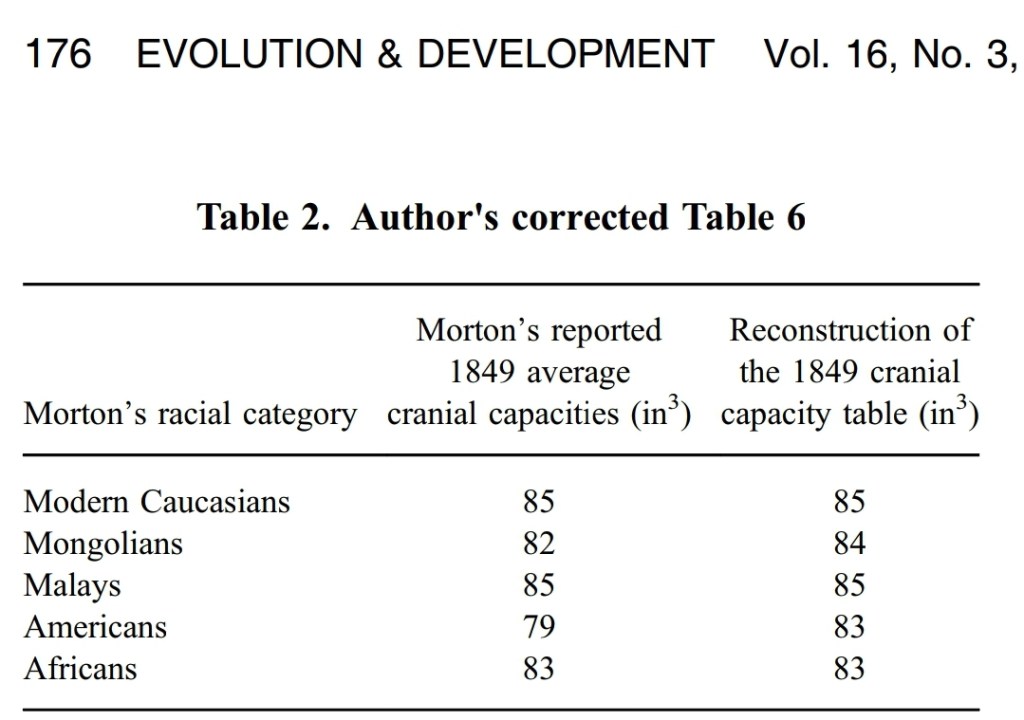
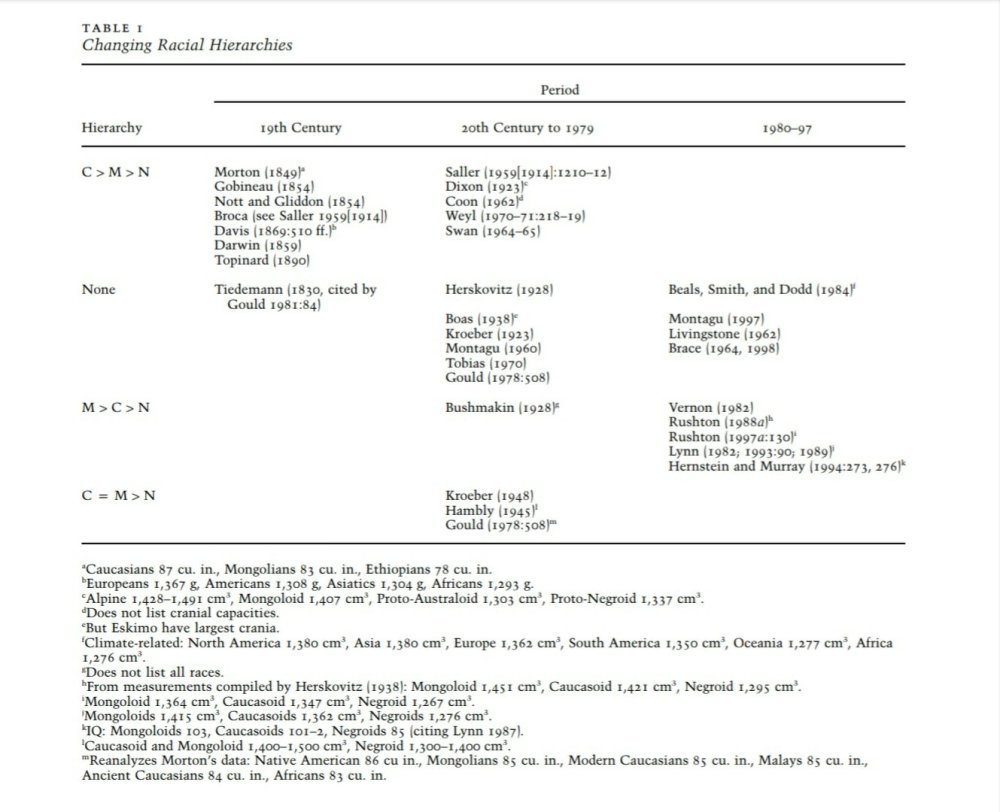
 NotPoliticallyCorrect