Home » HBD (Page 9)
Category Archives: HBD
Malaria, the Sickle Cell Trait, and Fast Twitch Muscle Fibers
2550 words
West Africans and their descendants have longer limbs and a shorter trunk than Europeans, on average—as I have extensively noted. Due to where they evolved, of course, they have a different morphology and physiology. Bergmann’s rule states that peoples with recent ancestry in the tropics will have slimmer pelvic bones and be narrower overall whereas Allen’s rule states that peoples with recent ancestry in the tropics will have long limbs, these traits being good for heat dissipation (Lieberman, 2015) and is one reason why West Africans and their descendants excel in these most sports in America.
The fact that a lot of African ethnic groups have different anatomic proportions and physiologic adaptations in comparison to people who have evolved in non-tropical climates is not contested. Morrison and Cooper’s (2006) hypothesis on sick cell anemia driving elite athletic performance in West Africans and their descendants is one of the most interesting explanations I’ve heard on the biochemical differences between the races. Sickle cell anemia is caused by a gene mutation. On amino acid 6, a single nucleotide substitution from A to T (As pair it Ts, Gs pair with Cs). This substitution changes a glutamic acid codon to valine codon which then causes sickling of the blood. Sickle cell anemia, of course, is not a ‘black disease’ as is popularly believed, but it, in fact, has to do with geography and the prevalence of malaria-carrying mosquitoes in that location. “This mutation“, Morrison and Cooper (2006) write “appears to have triggered a series of physiological adjustments, which have had favourable athletic consequences.”
Now, I’m aware that those who are already skeptical of this hypothesis may say ‘so does this mean that Italians, Greeks, MENA peoples etc have more type II fibers and would excel in these competitions?’, no it does not mean that because they don’t have the requisite morphology that West Africans have.
In the 1970s, a study was carried out on the physiological and anatomical proportions of Olympic athletes who competed in the 1968 Olympic games. Anatomic and physiologic measures were taken for each athlete. They used four racial classifications: Negroid, Caucasoid, Mongoloid, and mestizo (Indian/Spanish mix). The classifications were based on “were based on identification and somatotype photographs, as well as physical characteristics including skin color; general body shape; proportions of segments of the limbs; facial structure; form of eyes, lips, and nose; and colour and texture of hair” (Morrison and Cooper, 2006). This study, of course, also confirmed the anatomic differences between blacks and other races and how it leads to superior sports performance. Though, something peculiar was noted in the black athletes. Morrison and Cooper (2006) write: “Although the study failed to link athletic capability to a single gene system, the authors expressed “surprise” that “a sizeable number of Negroid Olympic athletes manifested the sickle-cell trait.””
One interesting study looked at the sickle cell trait (SCT) in French West Indian elite sprint athletes (Marlin et al, 2005). Using the French National Team for the year 2000, Marlin et al (2005) identified 3 sprinters (2 males and 1 female) who tested positive for the SCT. They also noticed a significantly higher presence of titles for people who tested positive for the SCT (38.6 percent for males and 50 percent for females. Marlin et al (2005: 624) conclude “that male SCT carriers are able to perform sprints and brief exercises at the highest levels” and “that brief and intensive exercise performance involving mainly alactic anaerobic metabolism may be enhanced by HbS in elite male sprinters.”
Blacks had narrower hips, longer arms and legs and a shorter trunk in comparison to other races. Of course, somatype is the variable that matters here but certain races are more likely to have certain anatomic characters that lead to superior spots performance on comparison to other races. The authors also attempted to link traits with single gene networks but were unsuccessful. However, they did notice that a large number of black athletes tested positive for the sickle cell trait. There is a conundrum here, however. People with the sickle cell gene might have a greater oxygen demand which causes more in vivo cell sickling. It was hypothesized that these individuals would be at a disadvantage since the 1968 Olympic games were held in Mexico city which is a high altitude area. They theorized that their blood would sickle more at the high altitude in comparison to low altitude but this was not seen.
Then another study was carried out which showed that not only do individuals with the sickle cell trait have lower hemoglobin levels, but all blacks do (Garn, Smith, and Clark, 1975). This is how and why they can perform at high altitudes despite having the sickle cell trait. Then, to test if this was mostly ‘environmental’ or ‘genetic’ they undertook a large study where they followed individuals throughout their whole lives and the difference persisted even later in life. Of course, according to other authors, some sort of compensatory mechanism should exist to counteract black’s lower hemoglobin levels, since this deficiency even exists in athletes (Morrison and Cooper, 2006).
As I’ve written about in the past, it was established that type I and type II fibers use different metabolic pathways and that type II fibers lead to improved athletic performance (along with the certain genotype for the ACTN3 gene). Morrison and Cooper (2006) also state that, of course, not all West Africans and descendants have this trait, and that these people came from a small area of West Africa.
A study looking at pulmonary differences between blacks and whites was conducted which found that blacks compensated for smaller lungs by breathing harder than whites while engaged in physical activity. In a study of 80 Asians and Europeans, Korotzer, Ong, and Hansen (2000) also showed that Asians had lower pulmonary functioning than Europeans. Even differences in chest size has been purported to explain differences in lung functioning, though this relationship did not hold (Whittaker, Sutton, and Beardsmore, 2005). Though, in his short review on race and the history of lung functioning, Braun (2015) writes that “At the very least, the idea that people labelled ‘white’ naturally have higher lung capacity than other races throughout the world should be approached with some skepticism.” because “Most commercially available spirometers internationally ‘correct’ or ‘adjust’ for race in one of two ways: by using a scaling factor for all people not considered to be ‘white’; or by applying population-specific norms. To enable the spirometer, the operator must select the race of an individual, as well as indicate their age, sex/gender and height. How race (or population) is determined varies, with most operators either asking patients to self-identify or ‘eyeballing it’. Interviews with users of the spirometer indicate that many operators are unaware that they are automatically activating race correction when they select a patient’s race (3). Because ‘correction’ is programmed into the spirometer by the manufacturer, it can be difficult to disable.”
Braun, Wolfgang, and Dickerson (2013) and Braun (2015) critiques pulmonary studies because in a large majority of cases, possible explanatory variables for lower lung functioning in black Americans could be related to SES. Harik-Khan, Muller, and Wise (2004) used participants from the Third National Health and Nutrition Examination Survey. They chose black and white children between the ages of 8 and 17 who did not smoke (n=1462, 623 whites and 839 blacks). Blacks were taller but had lower SES, had lower levels of vitamins A and C, along with lower levels of alpha carotene. They also had lower lung functioning. When they adjusted for confounds, sitting explained 42 to 53 percent of the racial difference, SES factors and antioxidant vitamin levels accounted for 7 to 10 percent of the difference. So they could only account for 50 to 63 percent of the difference. In 752 children aged 8 to 10 years of age, low birth weight accounted for 3 to 5 percent of the differences whereas maternal smoking had no effect (Harik-Khan, Muller, and Wise, 2004). So the remaining variation, obviously, will be accounted for by other SES variables, biology, or environmental factors.
Whitrow and Harding (2004) show that, at least for Caribbean blacks living in the UK, upper body differences explained most of the variation in lung functioning than did sitting height, with social correlates having a small but significant impact.
So because blacks have more type II fibers on average, they will convert glucose into energy more rapidly than whites. The energy for these muscle contractions comes from adenosine triphosphate (ATP). Blacks and whites both convert glucose into ATP for cellular functioning but in different ratios. These differences in muscular contractions driven by the metabolic pathway differences of the fibers are one large reason why blacks dominate sports.
Fibers are broken down into two types: fast and slow twitch. Slow twitch fibers use aerobic metabolism which is how they generate ATP and greater oxidative capacity due to higher levels for myoglobin. Oxygen bound to hemoglobin is carried to the red blood cells through capillaries that then influence muscular performance. Myoglobin is also essential for the transport of oxygen to the mitochondria where it is then consumed. Conversely, fast twitch fibers use anaerobic metabolism, have less oxidative capacity, less myoglobin and due to this, they are more dependent on anaerobic metabolism. Blacks also have “significantly higher levels of activity in their phosphagenic, glycolytic, and lactate dehydrogenase marbling pathways than their Caucasian counterparts” (Morrison and Cooper, 2006). This is where the production of ATP is regenerated,and so they have a huge advantage here. So higher faster production of ATP lead to more efficient ATP production, too. However when the ATP is depleted then it’s replaced by a reaction that depletes creatine phosphate. Skeletal muscle then converts “chemical energy into mechanical work” which only 30 to 50 percent is wasted as heat, so even small physiological differences can lead to large differences in performance (Morris and Cooper, 2006).
Though that’s not the only biochemical difference (faster ATP regeneration and production) between the blacks and whites that would explain sports performance. Morrison and Cooper (2006) write: “There is also considerably greater activity in the lactate dehydrogenase pathway of people of West African descent. A primary function of this pathway is to reduce muscle fatigue by converting lactic acid back to glucose and refeeding the muscles. This cyclic set of reactions, from muscles to liver and back to muscles, is known as the Cori cycle.”
Lactic acid production is that feeling in your muscles when during extended athletic activity whereas the postponement of muscle fatigue rests on the rate at which lactic acid is covered into glucose. The rate of this removal is further increased by the lactate dehydrogenase pathway describe above by Morrison and Cooper.
Clearly, the production of lactic acid causes problems during physical activity. The production of lactic acid into glucose to refers the muscles through the lactate dehydrogenase pathway is critical, for if glycogen reserves are depleted during extended physical activity then blood glucose would become the primary source of energy for the muscles, which could lead to lowered blood glucose levels and the nervous system may become compromised. During prolonged activity, however, if glucose isn’t available for energy then the body uses fat reserves which is less efficient than carbohydrates for energy and combustion.
Morrison and Cooper conclude: “Not the least of coincidence seems to be the influence of the compensatory sickle cell gene on oxygen transport and availability to the tissues. The reduced availability pulled with reduced oxygen myoglobin in the preponderant fast-twitch muscle fibres which are adapted for rapid anaerobic energy (ATP) regeneration, all give a new outcome of muscle anatomical and biochemical advantages which proffer a superior athleticism.”
Though, at the moment, as David Epstein states in his 2014 book The Sports Gene: Inside the Science of Extraordinary Athletic Performance, in a few studies done on mice genetically altered to have low hemoglobin levels, a there was a “shift of type IIa fast-twitch muscle fibers to type IIb “super fast twitch” muscle fibers in their lower legs” (Epstein, 2014: 179). This is also a developmental effect of mice in their lifetime, not a direct effect of evolution (Epstein, 2014: 179). No compensatory mechanism yet exists for humans, which I will attempt to untangle in future articles on the matter.
At the end of the chapter on this subject (Chapter 11, Malaria and Muscle Fibers, page 179), Epstein states that he asked physiologists their thoughts on the hypothesis. A few people approved of it, whereas one stated that he had evidence for physiological differences between blacks and whites that have not been studied before but he won’t release his results:
Several scientists I spoke to about the theory insisted they woud have no interest in investigating it because of the inevitably thorny issue of race involved. On of them told me that he actually has data on ethnic differences with respect to a particular physiological trait, but that he would never publish the data because of potential controversy. Another told me he would worry about following Cooper and Morrison’s line of inquiry because any suggestion of a physical advantage among a group of people could be equated to a corresponding lack of intellect, as if athleticism and intelligence were on some kind of biological teeter-totter. With that stigman in mind, perhaps the most important writing Cooper did in Black Superman [Cooper’s book] was his methodical eviseceration of any supposed inverse link between physical and mental prowess. “The concept that physical superiority could somehow be a symptomn of intellectual inferiority only developed when physical superiority became associated with African Americans,” Cooper wrote. “That association did not begin until about 1936.” The idea that athleticism was suddenly inversely proportional to intellect was never a cause of bigotry, but rather a result of it. And Cooper implied a more serious scientific inquiry into difficult issues, not less, is the appropriate path. (Epstein, 2014: 179) [Entine (2002) also spends a considerable amount of time debunking the myth of intelligence and athletic ability being negatively correlated in his 2002 book Taboo: Why Black Athletes Dominate Sports and Why We’re Afraid to Talk About It, which was kind of popularized by Rushton (1997) with his now debunked r/K selection theory.]
Things like this piss me off. These differences are actually measurable and lead to trait differences between the races, and know the mechanisms, pathways and whatnot and people are still. Scared to share their findings. One day, I hope, science will find a way to disregard people’s feelings in regard to people’s feelings on notable, testable and replicable differences between the races, most importantly between blacks and whites. I’ve noted how type II fibers lead to metabolic changes and small tears which then cause big problems. This is due to how fast the type II fibers fire in comparison to the slow twitch fibers.
This hypothesis is extremely interesting and now that I’ve laid out Morrison and Cooper’s (2006) hypothesis, I’m going to take a deep dive into this literature to see what I can prove about this hypothesis. Of course, the somatype along with the fiber distribution matters, as does having the XX genotype and not RR, which lends to superior athletic performance when coupled with type II muscle fibers (Broos et al, 2016). The pieces of this puzzle are, in my opinion, slowly being put together for someone to come along and integrate them into a coherent theory for the sickle cell trait and superior athletic performance through type II muscle fibers. It’s very interesting to note that elite sprinters were more likely to carry the SCT and that champion sprinters were more likely to have it too.
Is Diet An IQ Test?
1350 words
Dr. James Thompson is a big proponent of ‘diet being an IQ test‘ and has written quite a few articles on this matter. Though, the one he published today is perhaps the most misinformed.
He first shortly discusses the fact that 200 kcal drinks are being marketed as ‘cures’ for type II diabetes. People ‘beat’ the disease with only 200 kcal drinks. Sure, they lost weight, lost their disease. Now what? Continue drinking the drinks or now go back to old dietary habits? Type II diabetes is a lifestyle disease, and so can be ameliorated with lifestyle interventions. Though, Big Pharma wants you to believe that you can only overcome the disease with their medicines and ‘treatments’ along with the injection of insulin from your primary care doctor. Though, this would only exacerbate the disease, not cure it. The fact of the matter is this: these ‘treatments’ only ‘cure’ the proximate causes. The ULTIMATE CAUSES are left alone and this is why people fall back into habits.
When speaking about diabetes and obesity, this is a very important distinction to make. Most doctors, when treating diabetics, only treat the proximate causes (weight, symptoms that come with weight, etc) but they never get to the root of the problem. The root of the problem is, of course, insulin. The main root is never taken care of, only the proximate causes are ‘cured’ through interventions, however, the underlying cause of diabetes, and obesity as well is not taken care of because of doctors. This, then, leads to a neverending cycle of people losing a few pounds or whatnot and then they, expectedly, gain it back and they have to re-do the regimen all over again. The patient never gets cured, Big Pharma, hospitals et al get to make money off not curing a patients illness by only treating proximate and not ultimate causes.
Dr. Thompson then talks about a drink for anorexics, called ‘Complan“, and that he and another researcher gave this drink to anorexics, giving them about 3000 kcals per day of the drink, which was full of carbs, fat and vitamins and minerals (Bhanji and Thompson, 1974).
The total daily calorific intake was 2000-3000 calories, resulting in a mean weight gain of 12.39 kilos over 53 days, a daily gain of 234 grams, or 1.64 kilos (3.6 pounds) a week. That is in fact a reasonable estimate of the weight gains made by a totally sedentary person who eats a 3000 calorie diet. For a higher amount of calories, adjust upwards. Thermodynamics.
Thermodynamics? Take the first law. The first law of thermodynamics is irrelevant to human physiology (Taubes, 2007; Taubes, 2011; Fung, 2016). (Also watch Gary Taubes explain the laws of thermodynamics.) Now take the second law of thermodynamics which “states that the total entropy can never decrease over time for an isolated system, that is, a system in which neither energy nor matter can enter nor leave.” People may say that ‘a calorie is a calorie’ therefore it doesn’t matter whether all of your calories come from, say, sugar or a balanced high fat low carb diet, all weight gain or loss will be the same. Here’s the thing about that: it is fallacious. Stating that ‘a calorie is a calorie’ violates the second law of thermodynamics (Feinman and Fine, 2004). They write:
The second law of thermodynamics says that variation of efficiency for different metabolic pathways is to be expected. Thus, ironically the dictum that a “calorie is a calorie” violates the second law of thermodynamics, as a matter of principle.
So talk of thermodynamics when talking about the human physiological system does not make sense.
He then cites a new paper from Lean et al (2017) on weight management and type II diabetes. The authors write that “Type 2 diabetes is a chronic disorder that requires lifelong treatment. We aimed to assess whether intensive weight management within routine primary care would achieve remission of type 2 diabetes.” To which Dr. Thompson asks ‘How does one catch this illness?” and ‘Is there some vaccination against this “chronic disorder”?‘ The answer to how does one ‘catch this illness’ is simple: the overconsumption of processed carbohydrates, constantly spiking insulin which leads to insulin resistance which then leads to the production of more insulin since the body is resistant which then causes a vicious cycle and eventually insulin resistance occurs along with type II diabetes.
Dr. Thompson writes:
Patients had been put on Complan, or its equivalent, to break them from the bad habits of their habitual fattening diet. This is good news, and I am in favour of it. What irritates me is the evasion contained in this story, in that it does not mention that the “illness” of type 2 diabetes is merely a consequence of eating too much and becoming fat. What should the headline have been?
Trial shows that fat people who eat less become slimmer and healthier.
I hope this wonder treatment receives lots of publicity. If you wish to avoid hurting anyone’s feelings just don’t mention fatness. In extremis, you may talk about body fat around vital organs, but keep it brief, and generally evasive.
So you ‘break bad habits’ by introducing new bad habits? It’s not sustainable to drink these low kcal drinks and expect to be healthy. I hope this ‘wonder treatment’ does not receive a lot of publicity because it’s bullshit that will just line the pockets of Big Pharma et al, while making people sicker and, the ultimate goal, having them ‘need’ Big Pharma to care for their illness—when they can just as easily care for it themselves.
‘Trial shows that fat people who eat less become slimmer and healthier’. Or how about this? Fat people that eat well and exercise, up to 35 BMI, have no higher risk of early death then someone with a normal BMI who eats well and exercises (Barry et al, 2014). Neuroscientist Dr. Sandra Aamodt also compiles a wealth of solid information on this subject in her 2016 book “Why Diets Make Us Fat: The Unintended Consequences of Our Obsession with Weight Loss“.
Dr. Thompson writes:
I see little need to update the broad conclusion: if you want to lose weight you should eat less.
This is horrible advice. Most diets fail, and they fail because the ‘cures’ (eat less, move more; Caloric Reduction as Primary: CRaP) are garbage and don’t take human physiology into account. If you want to lose weight and put your diabetes into remission, then you must eat a low-carb (low carb or ketogenic, doesn’t matter) diet (Westman et al, 2008; Azar, Beydoun, and Albadri, 2016; Noakes and Windt, 2016; Saslow et al, 2017). Combine this with an intermittent fasting plan as pushed by Dr. Jason Fung, and you have a recipe to beat diabesity (diabetes and obesity) that does not involve lining the pockets of Big Pharma, nor does it involve one sacrificing their health for ‘quick-fix’ diet plans that never work.
In sum, diets are not ‘IQ tests’. Low kcal ‘drinks’ to ‘change habits’ of type II diabetics will eventually exacerbate the problem because when the body is in extended caloric restriction, the brain panics and releases hormones to stimulate appetite while stopping hormones that cause you to be sated and stop eating. This is reality; these studies that show that eating or drinking 800 kcal per day or whatnot are based on huge flaws: the fact that this could be sustainable for a large number of the population is not true. In fact, no matter how much ‘willpower’ you have, you will eventually give in because willpower is a finite resource (Mann, 2014).
There are easier ways to lose weight and combat diabetes, and it doesn’t involve handing money over to Big Pharma/Big Food. You only need to intermittently fast, you’ll lose weight and your diabetes will not be a problem, you’ll be able to lose weight and will not have problems with diabetes any longer (Fung, 2016). Most of these papers coming out recently on this disease are garbage. Real interventions exist, they’re easier and you don’t need to line the pockets of corporations to ‘get cured’ (which never happens, they don’t want to cure you!)
Athletic Ability and IQ
1150 words
Proponents of the usefulness of IQ tests may point to athletic competitions as an analogous test/competition that they believe may reinforce their belief that IQ tests ‘intelligence’ (whatever that is). Though, there are a few flaws in their attempted comparison. Some may say that “Lebron James and Usain Bolt have X morphology/biochemistry and therefore that’s why they excel! The same goes foe IQ tests!” People then go on to ask if I ‘deny human evolution’ because I deny the usefulness (that is built into the test by way of ‘item analysis; Jensen, 1980: 137) of IQ tests and point out flaws in their construction.
People who accept the usefulness of IQ tests and attempt to defend their flaws may attempt to make sports competition, like, say, a 100m sprint, an analogous argument. They may say that ‘X is better than Y, and the reason is ‘genetic’ in nature!’. Though, nature vs. nurture is a false dichotomy and irrelevant (Oyama, 1985, 2000; Oyama, 1999; Oyama, 2000; Moore, 2003). Behavior is neither ‘genetic’ nor ‘environmental’. with that out of the way, tests of athletic ability as mentioned above are completely different from IQ tests.
Tests of athletic ability do not have any arbitrary judgments as IQ tests do in their construction and analysis of the items to be put on the test. It’s a simple, cut-and-dry explanation: on this instance in this test, runner X was better than runner Y. We can then test runner X and see what kind of differences he has in his physiology and somatype, along with asking him what drives him to succeed. We can then do the same for the other athlete and discover that, as hypothesized, there are inherent differences in their physiology that make runner X be better than runner Y, say the ability to take deeper breaths, take longer strides per step due to longer legs, having thinner appendages as to be faster and so on. In regard to IQ, the tests are constructed on the prior basis of who is or is not intelligent. Basically, as is not the case with tests of athletic ability, the ‘winners and losers’, so to speak, are already chosen on the prior suppositions of who is or is not intelligent. Therefore, the comparison of athletic abilities tests and IQ tests are not good because athletic abilities tests are not constructed on the basis of who the constructors believe are athletic, like IQ tests are constructed on the basis of who the testers believe is ‘intelligent’ or not.
Some people are so far up the IQ-tests-test-intelligence idea that due to the critiques I cite on IQ tests, I actually get asked if I ‘deny human evolution’. That’s ridiculous and I will explain why.
Imagine an ‘athletic abilities’ test existed. Imagine that this test was constructed on the basis of who the test constructor believed who is or is not athletic. Imagine that he constructs the test to show that people who had previously low ability in past athletic abilities tests had ‘high athletic ability’ in this new test that he constructed. Then I discover the test. I read about it and I see how it is constructed and what the constructors did to get the results they wanted, because they believed that the lower-ability people in the previous tests had higher ability and therefore constructed an ‘athletic abilities’ test to show they were more ‘athletic’ than the former high performers. I then point out the huge flaws in the construction of such a test. The logic of people who claim that I deny human evolution because I blast the validity and construction of IQ tests would, logically, have to say that I’m denying athletic differences between groups and individuals, when in actuality I’m only pointing out huge flaws in the ‘athletic abilities’ test that was constructed. The athletic abilities example I’ve conjured up is analogous to the IQ test construction tirade I’ve been on recently. So, if a test of ‘athletic ability’ exists and I come and critique it, then no, I am not denying athletic differences between individuals I am only pointing out flawed tests.
The basic structure of my ‘athletic abilities’ argument is this: that test that would be constructed would not test true ‘athletic abilities’ just like IQ tests don’t test ‘intelligence’ (Richardson, 2002). Pointing out huge flaws in tests does not mean that you’re a ‘blank slatist’ (whatever that is; it’s a strawman for people who don’t bow down to the IQ alter). Pointing out flaws in IQ tests does not mean that you believe that everyone and every group is ‘equal’ in a psychological and mental sense. Pointing out the flaws in IQ tests does not mean that one is a left-wing egalitarian that believes that all humans—individuals and groups—are equal and that the only cause of their differences comes down to the environment (whether SES or the epigenetic environment, etc). Pointing out flaws in these tests is needed; lest people truly think that they do test, say, ability for complex cognition (they don’t). Indeed, it seems that everyday life is more complicated than the hardest Raven’s item. Richardson and Norgate (2014) write:
Indeed, typical IQ test items seem remarkably un-complex in their cognitive demands compared with, say, the cognitive demands of ordinary social life and other everyday activities that the vast majority of children and adults can meet. (pg 3)
On the other hand abundant cognitive research suggests that everyday, “real life”
problem solving, carried out by the vast majority of people, especially in social-cooperative situations, is a great deal more complex than that required by IQ test items, including those in the Raven. (pg 6)
Could it be possible that ‘real-life’ athletic ability, such as ‘walking’ or whatnot be more ‘complex’ than the analog of athletic ability? No, not at all. Because, as I previously noted, athletic abilities tests test who has the ‘better’ physiology or morphology for whichever competition they choose to compete in (and of course there will be considerable self-selection since people choose things they’re good at). It’s clear that there is absolutely no possibility of ‘real-life’ athletic ability possibly being more complex than tests of athletic ability.
In sum, no, I do not deny human evolution because I critique IQ tests. Just because I critique IQ tests doesn’t mean that I deny human evolution. My example of the ‘athletic test’ is a sound and logical analog to the IQ critiques that I cite. Just framing it in the way of a false test of athletic ability and then pointing out the flaws is enough to show that I don’t deny human evolution. Because if such an ‘athletic abilities’ test did exist and I pointed out its flaws, I would not be denying differences between groups or individuals due to evolution, I’d simply be critiquing a shitty test, which is what I do with IQ tests. Actual tests of athletic ability are not analogous to IQ tests because tests of athletic ability are not ‘constructed’ in the way that IQ tests are.
The Genomic Health of Our Ancestors: What Was It Like and Is It Relevant for Us Today?
1500 words
After I published my article Thoughts On Diseases of Civilization: Romanticizing the Hunter-Gatherer’s Diet the other day, someone dropped by and stated that we are ‘getting healthier and healthier’, citing an article by Berens, Cooper, and Lachance (2017) titled “The genomic health of ancient hominins” who show, through genetic analyses, that many of our ancestors had the ‘genes for’ diseases that plague us today in our societies. While this may be true, one important thing that the individual who left the paper did not say is that genotypic health does not equal phenotypic health.
The basic assumption of the paper is this: They genotyped the Altai Neanderthal, Denisovans, pastoralists and hunter-gatherers and computed their ‘GRS’ (genetic [disease] risk score). When focusing on the GRS, they found that the Altai Neanderthal had 97 percent worse ‘genomic health’ when compared to the genomes of people today, whereas Otzi man had a ‘genetic predisposition’ to cardiovascular and gastrointestinal disease.
Something important to keep in mind here is that GRS and sequencing the genomes of ancient hominins can only ‘predict’ what types of problems one would have based on their genomes; it cannot realiably state that this individual would have gotten/did get a certain disease because he had the alleles for it.
What they did was genotype ancient hominins and then compute their GRS and compare the ancient hominins GRS to that of a modern human and then match the set of “disease loci to generate standardized GRS percentiles“. The ancient samples they tested had a similar genetic risk when compared to modern samples, though the ancient samples may underestimate their genetic risk since there are numerous other alleles yet to be discovered that may cause or add to genetic disease risk.
Ancient hominins had lower risks for cancer, miscellaneous diseases and neurological/psychological diseases when compared to modern humans. According to their analysis, ancient hominins only had a higher risk for cardiovascular disease while “Risks of allergy/autoimmune, morphological/muscular, metabolism/weight, and dental/periodontal diseases were not significantly different between ancient and modern hominins” (Berens, Cooper, and Lachance, 2017). So ancient hominins seemed to have a reduced risk of cancer, neurological disease and other unclassified diseases.
The Altai Neanderthal was at high risk of immunological diseases, cancers, gastrointestinal problems, morphological and muscular problems, and other metabolic disorders. However, and this is important, this is only what his genome showed. This is only a risk assessment and DOES NOT state anything about phenotypic health. The Altai Neanderthal, however, did have a lower GRS for cardiovascular disease and average risk for dental diseases. This is in contrast with Otzi man, who had a genetic risk for cardiovascular disease. Otzi also had a high GRS score on immuno-related diseases, gastrointestinal diseases and other metabolic disorders—which I would assume would be similar to type II diabetes mellitus. However, Otzi had ‘normal’ risk for morphological and neurological disease.
I had to wait all paper to read this:
We note that genomic health does not necessarily equate to phenotypic health. Genetic risk scores are not deterministic, instead they merely indicate whether an individual has a predisposition to a particular disease. In addition, alleles that contribute to disease in modern environments may not have had the same effects in past environments.
This makes it an open and shut case. Just because you have the ‘predisposition’ for something doesn’t mean that it will occur to you. For example, if someone has a ‘genetic predisposition’ to become and alcoholic and he never drinks alcohol, will he become an alcoholic? If someone is extremely sensitive to carbohydrate intake and more susceptible to the allure of sugar and more likely to get addicted to it, but they never eat the carbs will they become obese and insulin resistant? The genes-as-destiny paradigm is wrong—especially in regard to human disease. Human disease is extremely complex and doctors are even having problems with GWAS and what it shows for the genetic basis for disease.
Further, in regard to disease, GWAS has a huge problem in detecting genetic variants: “many GWAS hits have no specific biological relevance to disease and wouldn’t serve as good drug targets. Rather, these ‘peripheral’ variants probably act through complex biochemical regulatory networks to influence the activity of a few ‘core’ genes that are more directly connected to an illness.” See also Boyle and Pritchard (2017): An Expanded View of Complex Traits: From Polygenic to Omnigenic. Disease-nomics will be much more complicated than identifying one or a few genes; gene networks interact with the environment—whether by what we eat or our immediate surroundings—and diseases arise through a complex interaction between genes and environment: GxE.
When our ancestors made the transition from a hunter-gatherer lifestyle to a more sedentary, agricultural one, this is what then started up the environmental mismatch between humans and our environments. Agriculturalists had the highest GRS for dental caries and other problems to do with dentition, though the number of alleles was small, it makes logical sense for the advent of agriculture to increase the incidence of dental caries and other problems with dentition, which would then be selected for due to the change of lifestyle from mobile hunter-gatherer to relatively sedentary agriculturalist. Hunter-gatherers have fewer dental caries than agriculturalists. It is also argued that when we began to eat fermentable plant foods, that this caused “changes in food processing caused an early shift toward a disease-associated oral microbiota in this population” (Humphrey et al, 2014). Adler et al (2013) also show that “Data from 34 early European skeletons indicate that the transition from hunter-gatherer to farming shifted the oral microbial community to a disease-associated configuration.” Clearly, the transition from the mobile hunter-gatherer lifestyle to the sedentary agriculturalist one was extremely bad for our health and dentition.
Though agriculture did increase the incidence of dental caries, evidence exists that, through dietary shifts in the Upper Paleolithic, dental caries appeared, probably due to the shift to more processed foods (keep in mind that processing food only has to mean, say, mashing food to make it easier to chew, not in the modern definition of ‘processing’). Nevertheless, the first toothpicks were discovered from the Late Upper Paleolithic, which implies that some human populations encountered some foods that then gave them dental caries to which our ancestors responded by making toothpicks (Oxilia et al, 2015). Hunter-gatherers had few—if any—dental caries which implies that their lifestyles did not give them the oral disease. It’s very peculiar that these have only been noticed, really, in populations that underwent the agricultural transformation. That’s yet another ‘disease of civilization’ that is low to nonexistent in those populations, which is attributed to their lifestyle and their diet.
Cultural evolution drives mismatch diseases as cultural evolution can greatly outstrip Darwinian evolution. This, especially in regard to our health, is bad for us since we did not have the time to biologically adapt to our new, novel diets. We still have yet to adapt genetically to the diets and lifestyle taken on by our ancestors 10kya, and I think it will be a long time—if ever—before we do adapt. I mean come on, can you really see whole groups of people adapting to constant insulin spikes brought on by highly processed carbohydrates and other foods? We are the running ape, so do you ever see us adapting to constantly sit? These are modern problems, which were brought on by our ancestors’ adoption of agriculture. I agree with Jared Diamond when he says that farming was ‘the worst mistake in the history of the human race‘, but, obviously not for the Marxist reasons he proposes. Clearly, hunter-gatherers had better phenotypic health while ours suffers.
In sum, the paper Berens, Cooper, and Lachance (2017) does not refute anything that I wrote in my previous article on diseases of civilization. If anything, most of what I wrote is strengthened, especially on the basis of genotypic health not equalling phenotypic health. This paper can be summed with three points:
1) genes aren’t destiny. 2) genes wouldn’t necessarily do the same things in different environments. 3) the GRS (genetic [disease] risk scores) are also not deterministic. This is the logical conclusion to draw. OK, so ancient hominins had a higher genetic risk for certain diseases. Here’s the catch: if they weren’t in the environments that would exacerbate the disease and cause it to express in the phenotype, does it really matter that they had ‘genetic predispositions’ for certain diseases? Of course it matters for us today due to our built food environments, but did it matter for them who did not have access to the novel environments that we do today?
This is a very interesting paper but my arguments on diseases of civilization still stand. Diseases of civilization will still plague our societies until we change the built food environment, but until then, we will have to live with the worst mistake we have made as a species: constructing obesogenic environments that then lead to a huge decrease in quality of life and life expectancy.
Action Video Games, Reaction Time, and Cognitive Ability
1350 words
Research into neural plasticity has been fruitful the past few decades. However, people like Steven Pinker in his book The Blank Slate attempt to undermine the effects of neural plasticity in regards to TBI and IQ, for instance. However, the plasticity of our brains is how our brains evolved (Skoyles and Sagan, 2002). So since our brains are so plastic, then doing certain tasks may help in terms of ‘processing speed’, reaction time and overall cognitive ability, right?
Science Daily reported on a new meta-analysis that took 15 years to complete that looked at how action video games affect reaction time and cognitive performance. What they found was something that I have talked about a bit: that playing these types of games increases one’s reaction time and even their cognitive ability. Unfortunately, the paper is not on Sci-Hub yet, but when it is released on Sci-Hub I will go more in depth on it.
The authors (Benoit et al, 2017) looked at 15 years of papers on action video games and cognitive performance from the year 2000-2015. They focused on war and shooting video games to gauge whether or not there was a causal effect on action video game playing and cognitive performance. They got two meta-analyses out of all of the research they did.
They studied 8,790 people between the ages of 6-40 and gave them a battery of cognitive tests. These tests included spatial attention tasks as well as testing how well one could multi-task while changing their plans in-line with the rules of the game. “It was found that the cognition of gamers was better by one-half of a standard deviation compared to non-gamers.” Though this meta-analysis failed to answer one question: do people who play games have higher cognitive ability or do people with higher cognitive ability play more games? The classic chicken-and-the-egg problem.
They then looked at other studies of 2,883 individuals and partitioned them into 2 groups: groups of people who played action games like war and shooter games whereas the second group played games like SIMS, Tetris and Puzzle (I would loosely term these strategy games as well). They found that both groups played for 8 hours per week, netting 50 hours of gameplay over 12 weeks.
What they found was that the results were overwhelmingly in favor of war and shooting games improving cognition. The interesting thing about these analyses was that it took years to get the data and it is from all over the world, so it doesn’t only hold in America, for instance. Though, in the abstract of the paper (all I have access to at the moment) Benoit et al (2017) write:
Publication bias remains, however, a threat with average effects in the published literature estimated to be 30% larger than in the full literature. As a result, we encourage the field to conduct larger cohort studies and more intervention studies, especially those with more than 30 hours of training.
This is in-line with numerous other papers on the matter of cognitive abilities and action video games. Green and Bavelier (2007) showed that video game players “could tolerate smaller target-distractor distances” whereas “similar effects were observed in non-video-game players who were trained on an action video game; this result verifies a causative relationship between video-game play and augmented spatial resolution.” They found that action video games ‘sharpened vision’ by up to 20 percent. Green and Bavelier (2012) also show that playing action video games may enhance the ability to learn new tasks and that what is learned from playing these types of games “transfers well beyond the training task.”
Green and Bavelier (2003) show that playing action video games showed better visual attention in comparison to those who did not play games. Even those who did not game saw improvement in visual attention which, again, shows that video games have an actual causal effect on these phenomena and it’s not just ‘people with higher cognitive ability choosing to play video games’. (See also Murphy and Spencer, 2009 who show that “There were no other group differences for any task suggesting a limited role for video game playing in the modification of visual attention.“)
Dye, Green, and Bavelier (2009) show that action video games increase reaction time (RT). Variables like videogame-playing when testing cognitive abilities are a huge confound, as can be seen, since people who play action video games have a quicker reaction time than those who do not—which, as I’ve shown, has a causal relationship with game playing since even the controls who did not play action games saw an increase in their RT. Achtman, Green, and Bavelier (2008) show yet again that action video game playing enhances visual attention and overall visual processing.
Green (2008: iii-iv) in an unpublished doctoral dissertation (the first link on Google should be the dissertation) showed the video game players “acquire sensory information more rapidly than NVGPs [non-videogame players]”.
Applebaum et al (2013) showed that action game playing “may be related to enhancements in the initial sensitivity to visual stimuli, but not to a greater retention of information in iconic memory buffers.” Bejjanki et al (2014) show that action video game playing “establish[es] … the development of enhanced perceptual templates following action game play.” Cardoso-Leite and Bavelier (2014) show that video games enhance “behavior in domains as varied as perception, attention, task switching, or mental rotation.”
Boot, Blakely, and Simons (2011) show that there may be a ‘file-drawer effect’ (publication bias)in terms of action video games increasing cognition, which Benoit et al (2017) acknowledge and push for more open studies.
Unsworth et al (2015) state that “nearly all of the relations between video-game experience and cognitive abilities were near zero.” So, there are numerous studies both for and against this (most of the studies for this being done by Green and Bavelier), and so this meta-analysis done by Benoit et al (2017) may finally begin to answer the question: Does playing action video games increase cognitive ability, increase visual attention and increase reaction time? The results of this new meta-analysis suggest yes, and it may have implications for IQ testing.
Richardson and Norgate (2014) in their paper Does IQ Really Predict Job Performance? state that there are numerous other reasons why some individuals may have slower RTs, one of the variables being action video game playing, along with anxiety, motivation, and familiarity with the equipment used, meaning that if one is experienced in video game playing—action games specifically—it may cause differences between individuals that do not come down to ‘processing speed’ or native ability, as is usually claimed (and with such low correlations of .2-.3 for reaction time and IQ, other factors must mediate the relationship that are not genetic in nature).
Now, let’s say the effect is as large as Benoit et al (2017) say it is at one-third of a SD. Would this mean that one would need to attempt to control for video game playing while testing, say, IQ or RT? I believe the answer is definitely pointing in that direction because it is clear—with the mounting evidence—that action video games can reduce RT and thusly confound certain tests. Action video game playing may be a pretty large confound in terms of the outcomes of IQ tests if these new meta-analyses from Benoit et al (2017) hold up. If this does hold up and playing action video games does affect both RT and cognitive ability at one-third of an SD (about 5 points), then the case can be made that this must be controlled for due to confounding the relationship.
In sum, if these effects from this new meta-analysis hold and can be replicated by other studies, then that’s a whole other variable that needs to be accounted for when testing IQ and RT. RT is a complicated variable and, according to Khodaddi et al (2014) “The relationship between reaction time and IQ is too complicated and revealing a significant correlation depends on various variables (e.g. methodology, data analysis, instrument etc.).” This, is in my view, one reason why RT should be tossed out as a ‘predictor of g‘ (whatever that is), as it is not a reliable measure and does not ‘test’ what it is purported to test.
Race and Medicine: Is Race a Useful Category?
2450 words
The New York Times published an article on December the 8th titled What Doctors Should Ignore: Science has revealed how arbitrary racial categories are. Perhaps medicine will abandon them, too. It is an interesting article and while I do not agree with all of it, I do agree with some.
It starts off by talking about sickle cell anemia (SCA) and how was once thought of as a ‘black disease’ because blacks were, it seemed, the only ones who were getting the disease. I recall back in high-school having a Sicilian friend who said he ‘was black’ because Sicilians can get SCA which is ‘a black disease’, and this indicates ‘black genes’. However, when I grew up and actually learned a bit about race I learned that it was much more nuanced than that and that whether or not a population has SCA is not based on race, but is based on the climate/environment of the area which would breed mosquitoes which carry malaria. SCA still, to this day, remains a selective factor in the evolution of humans; malaria selects for the sickle cell trait (Elguero et al, 2015).
This is a good point brought up by the article: the assumption that SCA was a ‘black disease’ had us look over numerous non-blacks who had the sickle cell trait and could get the help they needed, when they were overlooked due to their race with the assumption that they did not have this so-called ‘black disease’. Though it is understandable why it got labeled ‘a black disease’; malaria is more prevalent near to the equator and people whose ancestors evolved there are more likely to carry the trait. In regards to SCA, it should be known that blacks are more likely to get SCA, but just because someone is black does not automatically mean that it is a foregone conclusion that one has the disease.
The article then goes on to state that the push to excise race from medicine may undermine a ‘social justice concept’: that is, the want to rid the medical establishment of so-called ‘unconscious bias’ that doctors have when dealing with minorities. Of course, I will not discount that this doesn’t have some effect—however small—on racial health disparities but I do not believe that the scope of the matter is as large as it is claimed to be. This is now causing medical professionals to integrate ‘unconscious bias training’, in the hopes of ridding doctors of bias—whether conscious or not—in the hopes to ameliorate racial health disparities. Maybe it will work, maybe it will not, but what I do know is that if you know someone’s race, you can use it as a roadmap to what diseases they may or may not have, what they may or may not be susceptible to and so on. Of course, only relying on one’s race as a single data point when you’re assessing someone’s possible health risks makes no sense at all.
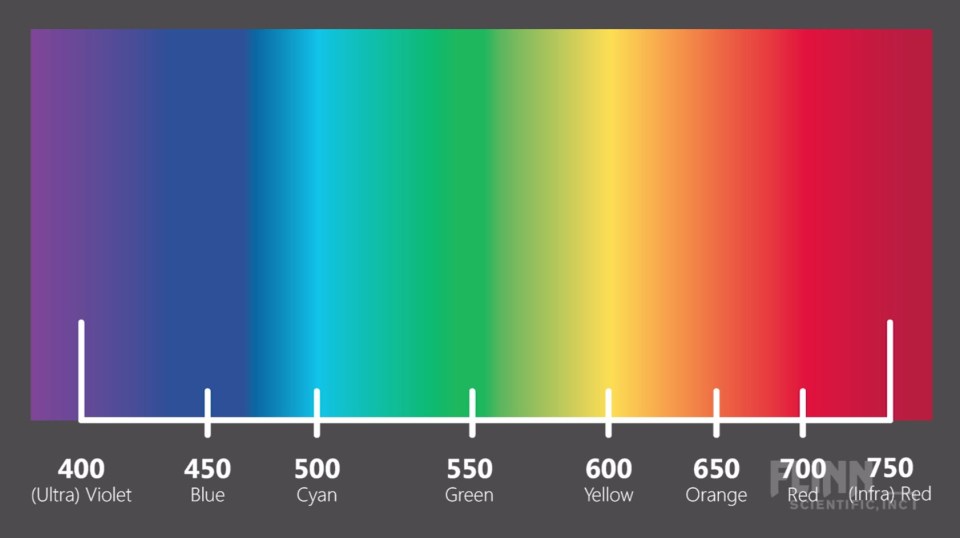
The author then goes on to write that the terms ‘Negroid, Caucasoid, and Mongoloid’ were revealed as ‘arbitrary’ by modern genetic science. I wouldn’t say that; I would say, though, that modern genetic science has shown us the true extent of human variation, while also showing that humans cluster into 5 distinct geographic categories, which we can call ‘race’ (Rosenberg et al, 2002; but see Wills, 2017 for alternative view that the clusters identified by Rosenberg et al, 2002 are not races. I will cover this in the future). The author then, of course, goes on to use the continuum fallacy stating that since “there are few sharp divides where one set of traits ends and another begins“. A basic rebuttal would be, can you point out where red and orange are distinct? How about violet and blue? Blue and Cyan? Yellow and orange? When people commit the continuum fallacy then the only logical conclusion is that if races don’t exist because there are “few sharp divides where one set of traits ends and another begins“, then, logically speaking, colors don’t exist either because there are ‘few [if any] sharp divides‘ where one color ends and another begins.
The author also cites geneticist Sarah Tishkoff who states that the human species is too young to have races as we define them. This is not true, as I have covered numerous times. The author then cites this study (Ng et al, 2008) in which Craig Venter’s genome was matched with the (in)famous [I love Watson] James Watson and focused on six genes that had to do with how people respond to antipsychotics, antidepressants, and other drugs. It was discovered that Venter had two of the ‘Caucasian’ variants whereas Watson carried variants more common in East Asians. Watson would have gotten the wrong medicine based on the assumption of his race and not on the predictive power of his own personal genome.
The author then talks about kidney disease and the fact that blacks are more likely to have it (Martins, Agodoa, and Norris, 2012). It was assumed that environmental factors caused the disparity of kidney disease in blacks when compared to whites, however then the APOL1 gene variant was discovered, which is related to worse kidney outcomes and is in higher frequencies in black Americans, even in blacks with well-controlled blood pressure (BP) (Parsa et al, 2013). The author then discusses that black kidneys were seen as ‘more prone to failure’ than white kidneys, but this is, so it’s said, due to that one specific gene variant and so, race shouldn’t be looked at in regards to kidney disease but individual genetic variation.
In one aspect of the medical community can using medicine based on one’s race help: prostate cancer. Black men are more likely to be afflicted with prostate cancer in comparison to whites (Odedina et al, 2009; Bhardwaj et al, 2017) with it even being proposed that black men should get separate prostate screenings to save more lives (Shenoy et al, 2016). Then he writes that we still don’t know the genes responsible, however, I have argued in the past that diet explains a large amount—if not all of the variance. (It’s not testosterone that causes it like Ross et al, 1986 believe).
The author then discusses another medical professional who argues that racial health disparities come down to the social environment. Things like BP could—most definitely—be driven by the social environment. It is assumed that the darker one’s skin is, the higher chance they have to have high BP—though this is not the case for Africans in Africa so this is clearly an American-only problem. I could conjure up one explanation: the darker the individual, the more likely he is to believe he is being ‘pre-judged’ which then affects his state of mind and has his BP rise. I discussed this shortly in my previous article Black-White Differences in Physiology. Williams (1992) reviewed evidence that social, not genetic, factors are responsible for BP differences between blacks and whites. He reviews one study showing that BP is higher in lower SES, darker-skinned blacks in comparison to higher SES blacks whereas for blacks with higher SES no effect was noticed (Klag et al, 1991). Sweet et al (2007) showed that for lighter-skinned blacks, as SES rose BP decreased while for darker-skinned blacks BP increased as SES did while implicating factors like ‘racism’ as the ultimate causes.
There is evidence for the effect of psychosocial factors and BP (Marmot, 1985). In a 2014 review of the literature, Cuffee et al (2014) identify less sleep—along with other psychosocial factors—as another cause of higher BP. It just so happens that blacks average about one hour of sleep less than whites. This could cause a lot of the variation in BP differences between the races, so clearly in the case of this variable, it is useful to know one’s race, along with their SES. Keep in mind that any actual ‘racism’ doesn’t have to occur; the person only ‘needs to perceive it’, and their blood BP will rise in response to the perceived ‘racism’ (Krieger and Sidney, 1996). Harburg et al (1978) write in regards to Detroit blacks:
For 35 blacks whose fathers were from the West Indies, pressures were higher than those with American-born fathers. These findings suggest that varied gene mixtures may be related to blood pressure levels and that skin color, an indicator of possible metabolic significance, combines with socially induced stress to induce higher blood pressures in lower class American blacks.
Langford (1981) shows that when SES differences are taken into account that the black-white BP disparity vanishes. So there seems to be good evidence for the hypothesis that psychosocial factors, sleep deprivation, diet and ‘perceived discrimination’ (whether real or imagined) can explain a lot of this gap so race and SES need to be looked at when BP is taken into account. These things are easily changeable; educate people on good diets, teach people that, in most cases, no, people are not being ‘racist’ against you. That’s really what it is. This effect holds more for darker-skinned, lower-class blacks. And while I don’t deny a small part of this could be due to genetic factors, the physiology of the heart and how BP is regulated by even perceptions is pretty powerful and could have a lot of explanatory power for numerous physiological differences between races and ethnic groups.
Krieger (1990) states that in black women—not in white women—“internalized response to unfair treatment, plus non-reporting of race and gender discrimination, may constitute risk factors for high blood pressure among black women“. This could come into play in regards to black-white female differences in BP. Thomson and Lip (2005) show that “environmental influence and psychosocial factors may play a more important role than is widely accepted” in hypertension but “There remain many uncertainties to the relative importance and contribution of environmental versus genetic influences on the development of blood pressure – there is more than likely an influence from both. However, there is now evidence to necessitate increased attention in examining the non-genetic influences on blood pressure …” With how our physiology evolved to respond to environmental stimuli and respond in real time to perceived threats, it is no wonder that these types of ‘perceived discrimination’ causes higher BP in certain groups with lower SES.
Wilson (1988) implicates salt as the reason why blacks have higher BP than whites. High salt intake could affect the body’s metabolism by causing salt retention which influences blood plasma volume, cardiac output. However, whites have a higher salt intake than blacks, but blacks still ate twice the recommended amounts from the dietary guidelines (all ethnic subgroups they analyzed from America over-consumed salt as well) (Fulgoni et al, 2014). Blacks are also more ‘salt-sensitive’ than whites (Sowers et al 1988; Schmidlin et al, 2009; Sanada, Jones, and Jose, 2014) which is also heritable in blacks (Svetke, McKeown, and Wilson, 1996). A slavery hypothesis does exist to explain higher rates of hypertension in blacks, citing salt deficiency in the parts of Africa that supplied the slaves to the Americas, to the trauma of the slave trade and slavery in America. However, historical evidence does not show this to be the case because “There is no evidence that diet or the resulting patterns of disease and demography among slaves in the American South were significantly different from those of other poor southerners” (Curtin, 1992) whereas Campese (1996) hypothesizes that blacks are more likely to get hypertension because they evolved in an area with low salt.
The NYT article concludes:
Science seeks to categorize nature, to sort it into discrete groupings to better understand it. That is one way to comprehend the race concept: as an honest scientific attempt to understand human variation. The problem is, the concept is imprecise. It has repeatedly slid toward pseudoscience and has become a major divider of humanity. Now, at a time when we desperately need ways to come together, there are scientists — intellectual descendants of the very people who helped give us the race concept — who want to retire it.
Race is a useful concept. Whether in medicine, population genetics, psychology, evolution, physiology, etc it can elucidate a lot of causes for differences between races and ethnic groups—whether or not they are genetic or psychosocial in nature. That just attests to both the power of suggestion along with psychosocial factors in regards to racial differences in physiological factors.
Finally let’s see what the literature says about race in medicine. Bonham et al (2009) showed that both black and white doctors concluded that race is medically relevant but couldn’t decide why however they did state that genetics did not explain most of the disparity in relation to race and disease aside from the obvious disorders like Tay Sachs and sickle cell anemia. Philosophers accept the usefulness of race in the biomedical sciences (Andreason, 2009; Efstathiou, 2012; Hardimon, 2013; Winther, Millstein, and Nielsen, 2015; Hardimon, 2017) whereas Risch et al (2002) and Tang et al (2002) concur that race is useful in the biomedical sciences. (See also Dorothy Roberts’ Ted Talk The problem with race-based medicine which I will cover in the future). Richard Lewontin, naturally, has hang-ups here but his contentions are taken care of above. Even if race were a ‘social construct‘, as Lewontin says, it would still be useful in a biomedical sense; but since there are differences between races/ethnic groups then they most definitely are useful in a biomedical sense, even if at the end of the day individual variation matters more than racial variation. Just knowing someone’s race and SES, for instance, can tell you a lot about possible maladies they may have, even if, utltimately, individual differences in physiology and anatomy matter more in regards to the biomedical context.
In conclusion, race is most definitely a useful concept in medicine, whether race is a ‘social construct’ or not. Just using Michael Hardimon’s race concepts, for instance, shows that race is extremely useful in the biomedical context, despite what naysayers may say. Yes, individual differences in anatomy and physiology trump racial differences, but just knowing a few things like race and SES can tell a lot about a particular person, for instance with blood pressure, resting metabolic rate, and so on. Denying that race is a useful concept in the biomedical sciences will lead to more—not less—racial health disparities, which is ironic because that’s exactly what race-deniers do not want. They will have to accept a race concept, and they would accept Hardimon’s socialrace concept because that still allows it to be a ‘social construct’ while acknowledging that race and psychosocial factors interact to cause higher physiological variables. Race is a useful concept in medicine, and if the medical establishment wants to save more lives and actually end the racial disparities in health then they should acknowledge the reality of race.
Sex Differences in Aggressive Behavior and Testosterone
1700 words
Many long-time readers may know of the numerous tirades of been on in regards to the “testosterone causes crime and aggression” myth. It’s a fun subject to talk about because the intelligent human physiological system is an amazing system. However, people who are not privy to the literature on testosterone in regards to race, aggression, crime, sex differences etc are only aware of whatever they read in pop science articles. So since they never read the actual papers themselves, they get a clouded view of a subject.
In my last article, I wrote about how there are no “testosterone genes”. In previous articles on the hormone, I have proven that there is no causal link between testosterone and aggression. But when comparing the sexes, how do the results look? Do they look the same with men being more violent while women—who have substantially less testosterone than men—do not have any higher levels of aggression or crime? The most recent study I’m aware of is by Assari, Caldwell, and Zimmerman (2014) titled: Sex Differences in the Association Between Testosterone and Violent Behaviors.
To make a long story short, there was no relationship between testosterone and aggression in men, but a significant relationship between testosterone and aggression in women. This data comes from the Flint Adolescent Study, a longitudinal study conducted between the years of 1994 to 2012. In regards to testosterone collection, saliva was used which has a perfect correlation with circulating testosterone. The eligibility to be included in the testosterone assay was “provided consent for the procedure, not being pregnant, not having anything to eat, drinking nothing except water, and not using tobacco, 1 hour prior to collection” (Assari, Caldwell, and Zimmerman, 2014).
The adolescent who contributed saliva gave a whole slew of demographic factors including SES, demographics, psychological factors, family relations, religion, social relations, behavior, and health. They were aged 14 to 17 years of age. They collected data during face-to-face interviews,
Age and SES were used as control variables in their multivariate analysis. For violent behaviors, the authors write:
Youths were asked how often they had engaged in the following behaviors; ‘had a fight in school’, ‘taken part in a rumble where a group of your friends were against another group’, injured someone badly enough to need bandages or a doctor’, ‘hit a teacher or supervisor at work (work supervisor)’, used a knife or gun or other object (like a club) to get something romantic a person’, ‘carried a knife or razor’, or ‘carried a gun’. All items used a Likert response, ranging from 1 (0 times) to 5 (4 or more times). Responses to each item were averages to calculate the behavior during the last year. Total score was calculated as the average of all items. Higher scores indicated more violent behaviors (a = 0.79). This measure has shown high reliability and validity and it has been used previously in several published reports.
This is a great questionnaire. The only thing I can think of that’s missing is fighting/arguing with parents.
In regards to testosterone assaying, they were assayed after 11 am to “control for changes due to diurnal rhythm” (Assari, Caldwell, and Zimmerman, 2014). I’m iffy on that since testosterone levels are highest at 8 am but whatever. This analysis is robust. Saliva was not taken if the subject had smoked or ingested something other than water or if a subject was pregnant. Assays should be taken as close to 8 am, as that’s when levels are highest. However one study does argue to extend the range to 8 am to 2 pm (Crawford et al, 2015) while other studies show that this only should be the case for older males (Long, Nguyen, and Stevermer, 2015). Even then assays were done at the higher end of the range as stated by Crawford et al (2015), so differences shouldn’t be too much.
86.4 percent of the sample was black whereas 13.4 percent were white. 41.2 percent of the subjects had some college education whereas 58.2 percent of the subjects lived with a partner or relative. 21.4 percent of the subjects were unemployed.
The mean age was 20.5 for both men and women, however, which will be a surprise to some, testosterone did not predict aggressive behavior in men but did in women. Testosterone and aggressive behavior were positively correlated, whereas there was a negative correlation between education and testosterone and aggressive behavior. Though education was associated with aggressive behavior in men but not women. So sex and education was associated with aggressive behavior (the sex link being women more privy to aggressive behavior while men are more privy to aggressive behavior due to lack of education). Females who had high levels of education had lower levels of aggressive behavior. Again: testosterone wasn’t associated with violent behavior in men, but it was in women. This is a very important point to note.
This was a community sample, so, of course, there were different results when compared to a laboratory setting, which is not surprising. Laboratory settings are obviously unnatural settings whereas the environment you live in every day obviously is more realistic.
This study does contradict others, in that it shows that there is no association between testosterone and aggression in men. However, still other research shows that testosterone is not linked to aggression or impulsivity, but to sensation-seeking, sexual experience or sociality (Daitzman and Zuckerman, 1980; Zuckerman, 1984). Clearly, testosterone is a beneficial hormone and due to the low correlation of testosterone with aggression (between .08 and .14; Book, Starzyk, and Quinsey, 2001; Archer, Graham-Kevan and Davies, 2005; Book and Quinsey, 2005). This paper, yet again, buttresses my arguments in regards to testosterone and aggressive behavior.
In regards to the contrast in the literature the authors describe, they write:
One of the many factors that may explain the inconsistency in these findings is the community versus clinical setting, which has been shown to be a determinant of these associations. Literature has previously shown that many of the findings that can be found in clinical samples may not be easily replicated in a community setting (36).
This is like the (in)famous, unreplicable stereotype threat (see Stroessner and Good). It can only be replicated in a lab, not in an actual educational setting. And it also seems that this is the case for testosterone and aggressive behavior.
Just because women have lower testosterone and are less likely to engage in aggressive behavior, that doesn’t mean that a relationship does not exist between females. “It is also plausible to attribute sex differences in the above studies to differential variations in the amount of testosterone among men and women” (Assari, Caldwell, and Zimmerman, 2014). This view supports the case that testosterone is linked to aggression in females, even though their range of testosterone is significantly lower than men’s, while it may also be easier to assay women for testosterone due to less diurnal variation in comparison to men (Book, Starzyk, and Quinsey, 2001).
Assari, Caldwell, and Zimmerman, (2014) also write (which, again, buttresses my arguments):
Age may explain some of the conflicting results across the studies. A meta-analysis of community and selected samples suggested that there might be only low to modest association between testosterone and aggression, with mean weighted correlations ranging from 0.08 to 0.14, in males. Overall, these meta-analyses suggest that the testosterone-aggression association is equally strong in 12 to 21-year-olds, as it is in 22 to 35-year-olds, but that it may be less strong in age groups younger than 12, than in those who are older.
So, testosterone may be associated with aggressive behavior and violence in women but not in men. In men, the significant moderator was education. It’s interesting to note that Mazur (2016) noted that young black males with little education had higher levels of testosterone than age-matched samples of other blacks. This, along with the evidence provided here, may be a clue that if the social environment changes, then so will higher levels of testosterone (as I have argued here).
They, perhaps taking too large of a leap here, argue that “aggressive behaviors may be more social and less biologically based among men” (Assari, Caldwell, and Zimmerman, 2014). Obviously social factors are easier to change than biological ones (in theory), so, they argue, preventative measures may be easier for men than women. More studies need to be done on the complex interactions between sex, testosterone, aggression, biology and the social environment which then shapes the aggressive behaviors of those who live there.
Testosterone and aggression studies are interesting. However, you must know a good amount of the literature to be able to ascertain good studies from the bad, what researchers should and should not have controlled for, time of assay, etc because these variables (some not in the author’s hands, however) can and do lead to false readings if certain variables are not controlled for. All in all, the literature is clearly points to, though other studies contest this at times, the fact that testosterone does not cause aggressive behavior in men. The myth needs to die; the data is piling up for this point of view and those who believe that testosterone causes aggressive behavior and crime (which I have shown it does not, at least for men) will soon be left in the dust as we get a better understanding of this pivotal hormone.
(In case anyone was going to use this as evidence that black women have higher levels of testosterone than white women, don’t do it because it’s not true. You’ll only embarrass yourself like this guy did. Read the comments and see him say that you don’t need scientific measurements, you only need to ‘observe it’ and through ‘observation’ we can deduce that black women have higher levels of testosterone than white women. This is not true. Quoting Mazur, 2016:
The pattern [high testosterone] is not seen among teenage boys or among females.
…
There is no indication of inordinately high T among young black women with low education.
Whoever still pushes that myth is an idealogue; I have retracted my article ‘Black Women and Testosterone‘, but idealogues just gloss over it and read what they think will bolster their views when I have provided the evidence to the contrary. It pisses me off that people selectively read things then cite my article because they think it will confirm their pre-conceived notions. Well too bad, things don’t work like that.)
IQ Test Construction, IQ Test Validity, and Raven’s Progressive Matrices Biases
2050 words
There are a lot of conceptual problems with IQ tests that I never see talked about. The main ones are how the tests are constructed (to fit a normal curve, no less); to the fact that there is no construct validity to the tests (IQ tests aren’t calibrated against a biological model like breathalyzers are calibrated against a model of blood in the blood stream); and how the Raven’s Progressive Matrices test is actually biased despite being touted as the most culture-free test since all you’re doing is rotating abstract symbols to see what comes next in the sequence. These three assumptions have important implications for the ‘power’ of the IQ tests, the most important being the test construction and validity.
I) IQ test construction
IQ tests are constructed with the assumption that we know what IQ tests test (we don’t) and with the prior ‘knowledge’ of who is or is not intelligent. Test constructors construct the tests to reveal presumed differences between individuals.
It is assumed that 1) IQ scores lie on a normal distribution (they don’t) and 2) few natural bio functions conform to this curve. Another problem with IQ test construction is the assumption that it increases with age and levels off after puberty. Though this, like the other things, has been built into the test by choosing items that an increasing proportion of children pass. You can, of course, reverse this effect by choosing items that older people do well on and younger people don’t.
Further, they keep 50 percent of items that children get right while keeping a smaller proportion of items that children get right, which, in effect, presupposes who is or is not intelligent.
Though, you never see those who believe that IQ is a ‘good enough’ proxy for intelligence ever being this up. Why? This is very important for the validity of these tests. Because if how the tests are constructed is wrong and test scores are not to fit a normal distribution when no normal distribution actually exists for most human mental (including IQ scores) and physiological traits, then the assumptions and conclusions drawn from them are wrong. IQ tests are constructed with the prior idea of who is or is not ‘intelligent’ and this is done by how the items are chosen—50 percent of the items that people get right are kept while the smaller proportion of items people get right or wrong are kept. This is how this so-called ‘normal curve’ appears in IQ tests and is why the book The Bell Curve has the name it has. But bell curve don’t exist for a modicum of traits including IQ!!
Simon (1997: 204) writes (emphasis mine):
There is another, and completely irrefutable, reason why the bell-shaped curve proves nothing at all in the context of H-M’s book: The makers of IQ tests consciously force the test into such a form that it produces this curve, for ease of statistical analysis. The first versions of such tests invariably produce odd-shaped distributions. The test-makers then subtract and add questions to find those that discriminate well between more-successful and less-successful test-takers. For this reason alone the bell-shaped IQ curve must be considered an artifact rather than a fact, and therefore tells us nothing about human nature or human society.
The analysis and selection of items that go on the tests are biased since there is no cognitive theory on which the analysis and selection of items are based. Carpenter, Just and Shell (1990: 408) note how John Raven, the creator of the Raven’s Progressive Matrices, even discussed this in his personal notes, writing “He used his intuition and clinical experience to rank order the difficulty of the six problem types. Many years later, normative data from Forbes (1964), shown in Figure 3, became the basis for selecting problems for retention in newer versions of the test and for arranging the problems in order of increasing difficulty, without regard to any underlying processing theory.”
II) IQ test validity
Another problem with IQ tests are its validity. People attempt to ‘prove’ its validity with correlating job performance success with IQ scores, though there are huge flaws in the studies purporting to show a .5 correlation between IQ and job performance (Richardson, 2002; Richardson and Norgate, 2015). IQ tests are not like, say, breathalyzers (which are calibrated against a model of blood alcohol) or white blood cell count (which is a proxy for disease in the body). Those two measures have a solid theoretical basis and underpinning; as blood alcohol rises, the individual had increased alcohol consumption. The same is true for white blood cell count. The same is not true for IQ tests.
One of the biggest measures used in regards to job performance and IQ testing (people attempt to use job performance to attempt to validate IQ tests) is supervisor rating. However, supervisory ratings are hugely subjective and a lot of factors that would have a supervisor be said to be a ‘good worker’ are not variables that entail just that job.
The only ‘validity’ that IQ test have is correlations with other IQ tests and tests like the SAT. This is not validity. Say the breathalyzer wasn’t calibrated against a model of blood alcohol in the body, would breathalyzers still be a valid tool to test people’s blood/alcohol level? On that same note let’s say that white blood cells wasn’t construct valid. Would we be able to reliably use white blood cell count as a valid measure for disease in the body? These very same problems plague IQ tests and people accept them as ‘proxies’ for intelligence, they test ‘enough of intelligence’ to be able to say that one is smarter than another because they scored higher in a test and therefore tap into this mystical ‘g’ that they have more of which is like a ‘power’ or ‘energy’.
These tests, therefore, are constructed with the idea of who is or is not intelligent and you can see that by looking at how the items are chosen for the test. That’s not scientific. So a true test of ‘intelligence’ may not even exist since these tests have this type of construct bias already in them.
IQ tests have no validity like breathalyzers and white blood cell count, and the so-called ‘culture-free’ IQ test Raven’s Progressive Matrices is anything but.
III) Raven’s and culture bias
I specifically asked Dr. James Thompson about Raven’s being culture-fair. I said that I recall Linda Gottfredson saying that people say that Ravens is culture-fair only because Jensen said it:
Yes, Gottfredson made that remark, and I remember her doing it at an ISIR conference.
So that’s one thing about Ravens that crumbles. A quote from Ken Richardson’s book Genes, Brains, and Human Potential: The Science and Ideology of Intelligence:
It is well known that families and subcultures vary in their exposure to, and usage of, the tools of literacy, numeracy, and associated ways of thinking. Children will vary in these because of accidents of background. …that background experience with specific cultural tools like literacy and numeracy is reflected in changes in brain networks. This explains the importance of social class context to cognitive demands, but is says nothing about individual potential.
(This argument on social class is much more complex than ‘poor people are genetically predisposed to be dumb and poor’.
Consider a recent GCTA study by Plomin et al., who reported a SNP-based heritability estimate of 35% for “general cognitive ability” among UK 12 year olds (as compared to a twin heritability estimate of 46%) [8]. According to the Wellcome Trust “genetic map of Britain,” striking patterns of genetic clustering (i.e. population stratification) exist within different geographic regions of the UK, including distinct genetic clusterings comprised of the residents of the South, South-East and Midlands of England; Cumbria, Northumberland and the Scottish borders; Lancashire and Yorkshire; Cornwall; Devon; South Wales; the Welsh borders; Anglesey in North Wales; Scotland and Ireland; and the Orkney Islands [8]. Now consider the title of a study from the University and College Union: “Location, Location, Location – the widening education gap in Britain and how where you live determines your chances” [9]. This state of affairs (not at all unique to the UK), combined with widespread geographic population stratification, is fertile ground for spurious heritability estimates.
Still Chasing Ghosts: A New Genetic Methodology Will Not Find the “Missing Heritability”
I think this argument is interesting, and it throws a wrench into a lot of things, but more on that another day.)
Richardson continues:
In other words, items like those in the Raven contain hidden structure which makes them more, not less, culturally steeped than any other kind of intelligence testing items, like the Raven, as somehow not knowledge-based, when all are clearly learning dependent. Ironically, such cultural-dependency testing is sometimes tacitly admitted by test users. For example, when testing children in Kuwait on the Raven in 2006, Ahmed Abdel-Khalek and John Raven transposed the items “to read from left to right following the custom of Arabic writings.” (Richardson, 2017: 99)
Finally, we have this dissertation which shows that urban peoples score better than hunter-gatherers (relevant to this present article):
Reading was the greatest predictor of performance Raven’s, despite controlling for age and sex. Attendance was also strongly correlated with Raven’s performance. These findings suggest that reading, or pattern recognition, could be fundamentally affecting the way an individual problem solves or learns to learn, and is somehow tapping into ‘g’. Presumably the only way to learn to read is through schooling. It is, therefore, essential that children are exposed to formal education, have the motivation to go/stay in school, and are exposed to consistent, quality training in order to develop the skills associated with improved performance. (pg. 83)
This is telling: This means that there is no such thing as a ‘culture-free’ IQ test and there will always be something involved that makes it culture un-fair.
People may say ‘It’s only rotating pictures and shapes to get the final answer, how much schooling could you need??’, well as seen above with the Tsimane, schooling is very important to IQ tests since they test learned skills. I’ve seen some people claim that IQ tests don’t test learned ability and that it’s all native, unlearned ability. That’s a very incorrect statement.
So although the symbols in a test like the RPM are experience-free, the rules governing their changes across the matrix are certainly not, and they are more likely to be already represented in the minds of children from middle-class homes, less so in others. Performance on the Raven’s test, in other words, is a question not of inducing ‘rules’ from meaningless symbols, in a totally abstract fashion, but of recruiting ones that are already rooted in the activites of some cultures rather than others. Like so many problems in life, including fields as diverse as chess, science and mathematics (e.g. Chi & Glaser, 1985), each item on the Raven’s test is a recognition problem (matching the covariation structure in a stimulus array to ones in background knowledge) before it is a reasoning problem. The latter is rendered easy when the former has been achieved. Similar arguments can be made about other so-called ‘culture-free’ items like analogies and classifications (Richardson & Webster, 1996). (Richardson, 2002: pg 292-292)
Everyday life is also more complex than the hardest items on Raven’s Matrices, while the test is not complex in its demands compared to tasks undertaken in everyday life (Carpenter, Just, and Shell, 1990). They conclude that the cause is differences in working memory, but that is an ill-defined concept in psychology. They do say, though, that “The processes that distinguish among individuals are primarily the ability to induce abstract relations and the ability to dynamically manage a large set of problem-solving goals in working memory.” So item complexity doesn’t make Raven’s items more difficult for others, since everyday life is more complex.
I’ll end with a bit of physiology. What physiological process is does IQ mimic in the body? If it is a physiological process, surely you’re aware that physiological processes *are not* static. IQ is said to be stable at adulthood, what a strange physiological process. Let’s say for arguments’ sake that IQ really does test some intrinsic, biological process. Does it seem weird to you that a supposed real, stable, biological, bodily function of an individual would be different at different times?
Conclusion
There are a lot of assumptions about IQ tests that are never talked about. The most important being how the tests are constructed to fit a normal curve when most traits important for survival aren’t normally distributed. IQ tests are constructed with the assumption of who is or isn’t intelligent just on the knowledge of how the items are prepared for the test. When you look at how the tests are constructed you can see how they are constructed to fit the normal curve because most of their assumptions and conclusions rest on the reality of the normal curve. There is no construct validity to IQ tests, they’re not like breathalyzers for instance which are calibrated against a model of blood alcohol or white blood cell count as a proxy for disease in the body. Raven’s—despite what is commonly stated about the test—is not unbiased, it perhaps is the most biased IQ test of them all. This highlights the problems with IQ tests that are rarely ever spoken about, and should have you call into question the ‘power’ of the IQ test which assumes who is or isn’t intelligent ahead of time.
My Response to (Ir)RationalWiki
1100 words
I was alerted to an article on the website (Ir)”RationalWiki” which in their own words “critique[s] and challenge[s] pseudoscience and the anti-science movement, explore[s] authoritarianism and fundamentalism, and analyze[s] how these subjects are handled in the media.” Unfortunately, it seems like the one who wrote this article (and is still adding to it) just selectively read certain articles and quote mined them.
The article on this website about me is an unfair mischaracterization of my views. Quotes will follow from the article with my comments.
In the opening paragraph they write:
NotPoliticallyCorrect is an Alt-right blog that promotes racialist pseudoscience and white nationalism; the owner posts as RaceRealist using the euphemism “racial realist” coined by the white supremacist J. P. Rushton who is extensively quoted on the blog.
- I’m not alt-right nor am I a white nationalist.
- I don’t promote ‘racialist pseudoscience’ nor do I promote ‘white nationalism’.
- Correct, Rushton did coin the term ‘race realist’, but he was not a ‘white supremacist’.
They continue, quoting an article of mine that I wrote almost two years ago titled Non-Western People are Abnormal to Our Society. I still stand by everything that I wrote in that article.
They continue:
A racist crank obsessed with controversial topics such as race and IQ and eugenics, RaceRealist argues in a 2016 blog essay “Non-Western People are Abnormal to Our [Western] Societies”[1] and its comments[2] that “MENA” and “SSA’s” (i.e. people from the Middle-East, North Africa and Sub-Saharan Africa) as well as other non-Westerners are somehow abnormal to the US and Europe:
They then quote me:
MENA and SSA people are abnormal to Western societies. It’s clear that, on average, full-on acclimation is not possible.
One only needs to look at what is occurring in Western European countries to see that, on average, this is true.
They continue:
In the same essay, RaceRealist goes on to post crude racism, such as “Negros” are biologically inferior:
Quoting me writing:
The same can be said for Negros[sic] in America as well. They are deviant, dysfunctional, they cause distress in our country and finally, they pose a danger to us, our families and societies as a whole. Just like those immigrants we have come into our countries who cannot assimilate because it’s not in their biology.
Except everything I wrote here was logically sound (last sentence notwithstanding). Look at the 4 d’s of abnormal psychology (which is the next quote they provide):
The “4 d’s of abnormality” and how they relate to our culture and the current culture/biology of those non-Western immigrants coming into our country is extremely telling. It’s clear that those people cannot assimilate into our societies because of differing biology and differing locations in which they evolved in. We chose our environments based on our biology. Environment increasingly depends on their genes, rather than being the cause of their exogenous behavior.
The 4 d’s of abnormality are deviance, dysfunction, distress and danger. Everything I wrote and then provided examples for in regards to the 4 d’s of abnormality are sound.
You can read my article Diversity in the Social Context for more evidence for this argument.
They then quote my article The Evolution of Jewish Nepotism writing:
RaceRealist is an anti-Semite who dislikes Ashkenazi Jews, accusing them of “derogating other ethnicities”; when discussing Ashkenazi Jews, he bizarrely maintains their higher average IQ is partly a product of “breeding with beautiful Roman women a few thousand years ago”,[3] for which there exists no evidence.
I admit it is conjecture. Evidence exists for Jewish men migrating to Rome to mate with Roman women (Atzmon et al, 2010). I never stated that I ‘dislike Ashkenazi Jews’. In regards to the derogation, it’s true. Close-knit ethnic groups derogate the out-group (Sampasivam et al, 2016). Further, oxytocin promotes human ethnocentrism, which caused in-group favoritism and out-group derogation (Drew et al, 2010). In-groups derogate out-groups. Read the literature.
And the final thing the page shows is my tweet saying that “I finally made it on (Ir)”RationalWiki””:
to which they wrote:
Twitter contributor Race Realist Eighty frickin’ Eight wishes to make it absolutely clear to everyone that he does not in fact consider himself “altright” and certainly not a “white nationalist”.[4]
Just because I have the numbers “88” in my handle doesn’t make me “alt-right” nor does it make me a “white nationalist.” I thought about changing it, then I realized that it’s good to weed out the people who aren’t serious about discussion and just look for things to discredit people that are meaningless to the conversation at hand. It tells you a lot about someone when they bring up irrelevant things. I’m not a white nationalist, nor am I an alt-righter. Just because I write about politics rarely and use them as an example (like in my article The Rise of Ethnocentrism and the Alt-Right: The Rebirth of Selfish Genes which I also disavow now that I realize that ‘selfish genes’ are a metaphor; Noble, 2011; Noble, 2013; Noble et al, 2014).
Take a look at the tags it tagged the article with: “Alt-righters, Pseudoscience, Racists, Internet kooks, Psuedoscience promoters, Alt-right, Internet Hate Sites.” Not an alrighter, I don’t push psuedoscience, I’m not a ‘racist’ (whatever that means). If you don’t like what I write, respond to any article you disagree with and explain why with logical, rational arguments. This piece is garbage and mischaracterizes my views using selective quotations (which, even then, failed to prove their point. No, numbers after a username are not evidence).
All in all, this article is garbage. It says that Rushton is ‘extensively quoted’, which is true for what I wrote in the beginning of this blog’s history, but not so for the past, say, 18 months. Rushton has been the target of my attacks on penis size, testosterone, and my personal favorite, r/K selection theory. But sure, go and dig in the archives for old articles to quote mine. This article written about me is dumb, doesn’t characterize my views correctly (calls me a ‘white nationalist’ and ‘alt-righter’). Selectively quote certain articles, assert that Rushton is ‘extensively quoted’ when I hardly discuss him anymore and when I do it’s about testosterone/to rebut him. (Ir)RationalWiki should think about reading a bit of my blog before characterizing me as something I’m not.
For the record, I don’t care about politics. I am not alt-right. I am not a white nationalist. I’m not an anti-semite. This will be updated to cover whatever else they decide to write about me. Hopefully it’s at least a bit closer to reality next time, because this article sucks.
Black-White Differences in Physiology
2050 words
Black-white differences in physiology can tell a lot about how the two groups have evolved over time. On traits like resting metabolic rate (RMR), basal metabolic rate (BMR), adiposity, heart rate, Vo2 max, etc. These differences in physiological variables between groups, then, explain part of the reason why there are different outcomes in terms of life quality/mortality between the two groups.
Right away, by looking at the average black and average white, you can see that there are differences in somatype. So if there are differences in somatype, then there must be differences in physiological variables, and so, this may be a part of the cause of, say, differing obesity rates between black and white women (Albu et al, 1997) and even PCOS (Wang and Alvero, 2013).
Resting metabolic rate
Resting metabolic rate is your body’s metabolism at rest, and is the largest component of the daily energy budget in modern human societies (Speakman and Selman, 2003). So if two groups, on average, differ in RMR, then one with the lower RMR may have a higher risk of obesity than the group with the higher RMR. And this is what we see.
Black women do, without a shadow of a doubt, have a lower BMR, lower PAEE (physical activity energy expenditure) and TDEE (total daily expenditure) (Gannon, DiPietro, and Poehlman, 2000). Knowing this, then it is not surprising to learn that black women are also the most obese demographic in the United States. This could partly explain why black women have such a hard time losing weight. Metabolic differences between ethnic groups in America—despite living in similar environments—show that a genetic component is responsible for this.
There are even predictors of obesity in post-menopausal black and white women (Nicklas et al, 1999). They controlled for age, body weight and body composition (variables that would influence the results—no one tell me that “They shouldn’t have controlled for those because it’s a racial confound!”) and found that despite having a similar waist-to-hip ratio (WHR) and subcutaneous fat area, black women had lower visceral fat than white women, while fasting glucose, insulin levels, and resting blood pressure did not differ between the groups. White women also had a higher Vo2 max, which remained when lean mass was controlled for. White women could also oxidize fat at a higher rate than black women (15.4 g/day, which is 17% higher than black women). When this is expressed as percent of total kcal burned in a resting state, white women burned more fat than black women (50% vs 43%). I will cover the cause for this later in the article (one physiologic variable is a large cause of these differences).
We even see this in black American men with more African ancestry—they’re less likely to be obese (Klimentidis et al 2016). This, too, goes back to metabolic rate. Black American men have lower levels of body fat than white men (Vickery et al, 1988; Wagner and Heyward, 2000). All in all, there are specific genetic variants and physiologic effects, which cause West African men to have lower central (abdominal) adiposity than European men and black women who live in the same environment as black men—implying that genetic and physiologic differences between the sexes are the cause for this disparity. Whatever the case may be, it’s interesting and more studies need to be taken out so we can see how whatever gene variants are *identified* as protecting against central adiposity work in concert with the system to produce the protective effect. Black American men have lower body fat, therefore they would have, in theory, a higher metabolic rate and be less likely to be obese—while black women have the reverse compared to white women—a lower metabolic rate.
Skeletal muscle fiber
Skeletal muscle fibers are the how and why of black domination in explosive sports. This is something I’ve covered in depth. Type II fibers contract faster than type I. This has important implications for certain diseases that black men are more susceptible to. Though the continuous contraction of the fibers during physical activity leads to a higher disease susceptibility in black men—but not white men (Tanner et al, 2001). If you’re aware of fiber type differences between the races (Ama et al, 1986; Entine, 2000; Caeser and Henry, 2015); though see Kerr (2010’s) article The Myth of Racial Superiority in Sports for another view. That will be covered here in the future.
Nevertheless, fiber typing explains racial differences in sports, with somatype being another important variable in explaining racial disparities in sports. Two main variables that work in concert are the somatype (pretty much body measurements, length) and the fiber type. This explains why blacks dominate baseball and football; this explains why ‘white men can’t jump and black men can’t swim’. Physiological variables—not only ‘motivation’ or whatever else people who deny these innate differences say—largely explain why there are huge disparities in these sports. Physiology is important to our understanding of how and why certain groups dominate certain sports.
This is further compounded by differing African ethnies excelling in different running sports depending on where their ancestors evolved. Kenyans have an abundance of type I fibers whereas West Africans have an abundance of type II fibers. (Genetically speaking, ‘Jamaicans’ don’t exist; genetic testing shows them to come from a few different West African countries.) Lower body symmetry—knees and ankles—show that they’re more symmetrical than age-matched controls (Trivers et al, 2014). This also goes to show that you can’t teach speed (Lombardo and Deander, 2014). Though, of course, training and the will to want to do your best matter as well—you just cannot excel in these competitions without first and foremost having the right physiologic and genetic make-up.
Further, although it’s only one gene variant, ACTN3 and ACE explain a substantial percentage of sprint time variance, which could be the difference between breaking a world record and making a final (Papadimitriou et al, 2016). So, clearly, certain genetic variants matter more than others—and the two best studied are ACTN3 and ACE. Some authors, though, may deny the contribution of ACTN3 to elite athletic performance—like one researcher who has written numerous papers on ACTN3, Daniel MacArthur. However, elite sprinters are more likely to carry the RR ACTN3 genotype compared to the XX ACTN3 genotype, and the RR ACTN3 genotype—when combined with type II fibers and morphology—lead to increased athletic performance (Broos et al, 2016). It’s also worth noting that 2 percent of Jamaicans carry the XX ACTN3 genotype (Scott et al, 2010), so this is another well-studied variable that lends to superior running performance in Jamaicans.
In regards to Kenyans, of course when you are talking about genetic reasons for performance, some people don’t like it. Some may say that certain countries dominate in X, and that for instance, North Africa is starting to churn out elite athletes, should we begin looking for genetic advantages that they possess (Hamilton, 2000)? Though people like Hamilton are a minority view in this field, I have read a few papers that there is no evidence that Kenyans possess a pulmonary system that infers a physiologic advantage over whites (Larsen and Sheel, 2015).
People like these three authors, however, are in the minority here and there is a robust amount of research that attests to East African running dominance being genetic/physiologic in nature—though you can’t discredit SES and other motivating variables (Tucker, Onywera, and Santos-Concejero, 2015). Of course, a complex interaction between SES, genes, and environment are the cause of the success of the Kalenjin people of Kenya, because they live and train in such high altitudes (Larsen, 2003), though the venerable Bengt Saltin states that the higher Vo2 max in Kenyan boys is due to higher physical activity during childhood (Saltin et al, 1995).
Blood pressure
The last variable I will focus on (I will cover more in the future) is blood pressure. It’s well known that blacks have higher blood pressure than whites—with black women having a higher BP than all groups—which then leads to other health implications. Some reasons for the cause are high sodium intake in blacks (Jones and Hall, 2006); salt (Lackland, 2014; blacks had a similar sensitivity than whites, but had a higher blood pressure increase); while race and ethnicity was a single independent predictor of hypertension (Holmes et al, 2013). Put simply, when it comes to BP, ethnicity matters (Lane and Lip, 2001).
While genetic factors are important in showing how and why certain ethnies have higher BP than others, social factors are arguably more important (Williams, 1992). He cites stress, socioecologic stress, social support, coping patterns, health behavior, sodium, calcium, and potassium consumption, alcohol consumption, and obesity. SES factors, of course, lead to higher rates of obesity (Sobal and Stunkard, 1989; Franklin et al, 2015). So, of course, environmental/social factors have an effect on BP—no matter if the discrimination or whatnot is imagined by the one who is supposedly discriminated against, this still causes physiologic changes in the body which then lead to higher rates of BP in certain populations.
Poverty does affect a whole slew of variables, but what I’m worried about here is its effect on blood pressure. People who are in poverty can only afford certain foods, which would then cause certain physiologic variables to increase, exacerbating the problem (Gupta, de Wit, and McKeown, 2007). Whereas diets high in protein predicted lower BP in adults (Beundia et al, 2015). So this is good evidence that the diets of blacks in America do increase BP, since they eat high amounts of salt, low protein and high carb diets.
Still, others argue that differences in BP between blacks and whites may not be explained by ancestry, but by differences in education, rather than genetic factors (Non, Gravlee, and Mulligan, 2012). Their study suggests that educating black Americans on the dangers and preventative measures of high BP will reduce BP disparities between the races. This is in-line with Williams (1992) in that the social environment is the cause for the higher rates of BP. One hypothesis explored to explain why this effect with education was greater in blacks than whites was that BP-related factors, such as stress, poverty and racial discrimination (remember, even if no racial discrimination occurs, any so-called discrimination is in the eye of the beholder so that will contribute to a rise in physiologic variables) and maybe social isolation may be causes for this phenomenon. Future studies also must show how higher education causes lower BP, or if it only serves as other markers for the social environment. Nevertheless, this is an important study in our understanding of how and why the races differ in BP and it will go far to increase our understanding of this malady.
Conclusion
This is not an exhaustive list—I could continue writing about other variables—but these three are some of the most important as they are a cause for higher mortality rates in America. Understanding the hows and whys of these variables will have us better equipped to help those who suffer from diseases brought on by these differences in physiological factors.
The cause for some of these physiologic differences come down to evolution, but still others may come down to the immediate obesogenic environment (Lake and Townshend, 2006) which is compounded by lower SES. Since high carbs diets increase BP, this explains part of the reason why blacks have higher BP, along with social and genetic factors. Muscle fiber typing is set by the second trimester, and no change is seen after age 6 (Bell, 1980). Resting metabolic rate gap differences between black and white women can be closed, but not completely, if black women were to engage in exercise that use their higher amounts of type II muscle fibers (Tanner et al, 2001). This research is important to understand differences in racial mortality; because when we understand them then we can begin to theorize on how and why we see these disparities.
Physiologic differences between the races are interesting, they’re easily measurable and they explain both disparities in sports and mortality by different diseases. Once we study these variables more, we will be better able to help people with these variables—race be dammed. Race is a predictor here, only because race is correlated with other variables that lead to negative health outcomes. So once we understand how and why these differences occur, then we can help others with similar problems—no matter their race.
 NotPoliticallyCorrect