Home » Articles posted by RaceRealist (Page 42)
Author Archives: RaceRealist
Our Vampiric Brains
1100 words
Much has been written in the scientific literature on our brain size increase, which has doubled in the timespan of about 3 million years. It is assumed that our brains became bigger so we could become smarter. However, recent data shows that the amount of blood our brains use dramatically increased over the course of human evolution—the amount of blood our brains use increased some 600 percent over the course of human evolution, substantially more than our brain size increase (350 percent).
Seymour, Bosiocic, and Snelling (2016) showed that while there was a 3.5-fold increase in brain size while there was a 6-fold increase in total cerebral blood flow rate. This is due to increased interneuron connectivity, synaptic activity and cognitive function which all depend on the cerebral metabolic rate. This is yet another reason why cooking was so important during our brain evolution. If the brain has a higher metabolic rate, only a high-quality diet will allow it to function. This can only occur if and only if there is a high-quality diet in the first place.
The metabolic intensity of cerebral tissue in our lineage could only be satisfied by a high-quality cooked diet. Clearly, the evolution of the human brain most always goes back to nutrition and the quality of the human diet. Without erectus’ control of fire around 1.5 mya, our brains wouldn’t have been able to grow this big, nor would we have the cerebral blood flow we eventually had. The below picture is figure 1 from the paper. The left slide is Australopithecus Afarensis, the middle is a Neanderthal, and the right is archaic Homo Sapiens.
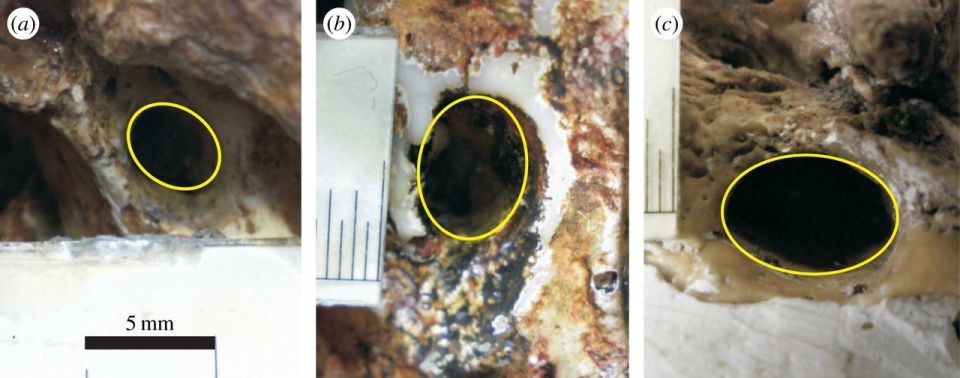
They measured the lumen radius of the internal carotid arteries and were able to deduce that there were large changes in cerebral blood flow in hominin evolution due to the increasing size of the ICAs. Arterial size, blood flow rate and metabolic rate are tightly related. So if there are bigger ICAs, then that hominin had more blood flow to feed a bigger brain. This is clear evidence that as our brain size increased that we needed more blood to feed our growing brain.
Kilroy et al (2013) hypothesize that due to widespread anatomical differences in the anterior cingulate cortex (ACC), PFC and insula and subcortical cortices, those regions must be a “central node of the brain’s network underlying individual differences in intellectual development throughout childhood and adolescence.” Cerebral blood flow in the subgenual/ACC correlates the highest with IQ. They also showed that it’s possible to delineate “where CBF is modulated by IQ.” More blood flow in these regions means a higher IQ. Since the ICAs grew larger over the course of hominin brain evolution to increase intelligence, it’s no surprise that more blood flow to certain parts of the brain is related to higher intelligence in children and adolescents.
Even CBF at rest is correlated with higher intelligence and creativity (Takeuchi et al, 2011). They showed that gray and white matter in the brain is correlated with CBF at rest and significantly and positively with psychometric intelligence. Further, the Raven’s Advanced Progressive Matrices (RAPM) and scores on the creativity test that were administered to the cohort correlated positively with white matter and cerebral blood flow. They also noticed that there was an association between negative mood and increased cerebral blood flow. Grey and white matter CBF at rest were both correlated with the RAPM and the creativity test administered. This is yet more evidence that blood flow to certain parts of the brain dictates intelligence (and most likely individual differences in intelligence as well).
The more vampiric a brain is (especially in certain regions), the higher one’s intelligence will be, on average. By looking back at the fossil skulls of our hominin ancestors and the radius of the ICA, we can infer that as hominin evolution ‘progressed’ through time, the ICA radius increased which meant increased blood flow to the brain. This is directly related to brain metabolism and could only be afforded with a high-quality diet which started with the advent of tool-making and the use of fire to cook by erectus. Cerebral blood flood in the anterior cingulate cortex is significantly and positively correlated with IQ. CBF at rest is also correlated with IQ and certain regions of the brain. This shows that a brain with a higher metabolic rate will be, on average, more intelligent than a brain that has a lower one. The current data on intelligence and CBF points to increased blood flow in certain parts of the brain is related to higher levels of intelligence. This does make sense, as our blood flow to the brain increased by 600 percent over the course of human evolution. So, in a way, we can say that along with our brain size increasing for expertise capacity (which was most definitely needed over the course of hominin evolution) (Skoyles, 2009) along with more cerebral blood flow due to larger arteries and a higher metabolic rate.
This does make sense, as our blood flow to the brain increased by 600 percent over the course of human evolution. So, in a way, we can say that along with our brain size increasing for expertise capacity (which was most definitely needed over the course of hominin evolution) (Skoyles, 2009) along with the need for more blood to the brain to increase intelligence (as blood will also shuttle oxygen to the brain). This is yet another reason why our not-so-special brains are remarkable compared to the rest of the animal kingdom—the one variable that gives us our cognitive superiority over other animals is the ability to cook and use fire. A lot of our physiologic, anatomic and brain evolution can be explained simply as: no cooking, fire, and meat, no big brains (and as a consequence, everything you see around you today would not be here), and the only thing that can drive such a metabolically demanding brain is cooking and eating high-quality foods. The outstanding number of neurons crowded into our cerebral cortex along with much blood our vampiric brain guzzles explains our cognitive superiority over other animals.
References
Kilroy, E., Yan, L., Wang, D. J., Dapretto, M., Mendez, M. F., Liu, C. Y., & Kim, Y. C. (2011). Relationships between Cerebral Blood Flow and IQ in Typically Developing Children and Adolescents. Journal of Cognitive Science,12(2), 151-170. doi:10.17791/jcs.2011.12.2.151
Seymour, R. S., Bosiocic, V., & Snelling, E. P. (2016). Fossil skulls reveal that blood flow rate to the brain increased faster than brain volume during human evolution. Royal Society Open Science,3(8), 160305. doi:10.1098/rsos.160305
Dr. John R. Skoyles (1999) HUMAN EVOLUTION EXPANDED BRAINS TO INCREASE EXPERTISE CAPACITY, NOT IQ. Psycoloquy: 10(002)
Takeuchi, H., Taki, Y., Hashizume, H., Sassa, Y., Nagase, T., Nouchi, R., & Kawashima, R. (2011). Cerebral Blood Flow during Rest Associates with General Intelligence and Creativity. PLoS ONE,6(9). doi:10.1371/journal.pone.0025532
Happy Darwin Day, Heathens
1650 words
Today is Darwin’s 208th birthday and the 158th year since the publication of On the Origin of Species by Means of Natural Selection or the Preservation of Favoured Races in the Struggle of Life. So many people get Darwin wrong. They either have never read his books, or are taking a secondhand account. You can tell who has never read his writings in his own words and who takes snippets of his writings to use them for ideological purposes. I was going to wait until I finished The Descent of Man (Darwin, 1871) until I wrote this article but Darwin Day seems like the best time to do it.
People call themselves ‘Darwinists’ when it’s clear they’ve never read his writings. And due to this, people have large misconceptions on cherry-picked quotes and then use it for their pet ideology—not even attempting to understand the context around what he wrote. One large misquotation you may see around the Internet may put charges of ‘racism’ on Darwin since he ‘believed’ that the ‘higher’ races of Man will one day exterminate the ‘lower’ races. PumpkinPerson is guilty of this, writing in his article Darwin’s terrifying prediction:
Sadly, if HBD is correct, I think there probably will be natural selection favoring higher IQ populations, in fact it’s already happening. In sub-Saharan Africa, we see the more primitive cultures like pygmies and Bushmen losing more and more territory and their populations declining.
Which is based on a (misinterpreted) Darwin quote from his book Descent of Man (1871 (2004): 132-3); note: I have the Barnes n Noble edition):
The great break in the organic chain between man and his nearest allies, which cannot be bridged over by any extinct or living species, has often been advanced as a grave objection to the belief that man is descended from some lower form; but this objection will not appear of much weight to those who, convinced by general reasons, believe in the general principle of evolution. Breaks incessantly occur in all parts of the series, some being wide, sharp and defined, others less so in various degrees; as between the orang and its nearest allies—between the Tarsius and the other Lemuridae—between the elephant and in a more striking manner between the Ornithorhynchus or Echidna, and other mammals.
But all these breaks depend merely on the number of related forms which have become extinct. At some future period, not very distant as measured by centuries, the civilised races of man will almost certainly exterminate and replace throughout the world the savage races. At the same time the anthropomorphous apes, as Professor Schaaffhausen has remarked, will no doubt be exterminated. The break will then be rendered wider, for it will intervene between man in a more civilised state, as we may hope, than the Caucasian, and some ape as low as a baboon, instead of as at present between the negro or Australian and the gorilla.
This is the big quote. The quote that supposedly what paints Darwin as a ‘racist’ and one of the many, many instances of quote-mining from Creationists attempting to discredit his theory of evolution through natural selection. But here’s the thing that people fail to realize: without the rest of the context, you won’t know what he’s saying because the very next paragraph writes (pg 132):
With respect to the absence of fossil remains, serving to connect man with his ape-like progenitors, no one will lay much stress on this fact who reads Sir C. Lyell’s discussion, where he shows that in all the vertebrate classes the discovery of fossil remains has been a very slow and fortuitous process. Nor should it be forgotten that those regions which are the most likely to afford remains connecting man with some extinct ape-like creature, have not as yet been searched by geologists.
So, the whole quote taken in context, it seems he was defending his theory showing that even though no there was an “absence of fossil remains” connecting us to our apelike ancestors.
This book was written 12 years after On the Origin, so knowing that and then seeing the rest of the omitted context behind the controversial quote (and, of course, how Creationists quote-mine and attempt to twist and turn words), what do you think he was saying? To me, it looks like he was defending his theory and addressing critics who said that the fossil record does not support his claims. In fact, Darwin and other Naturalists of the time didn’t separate culture and biology and thus used a blend of both. Darwin was simply observing that a slight advantage between races of men would, after time, lead to the creation of a new species. You’d have to have actually read his books to know that, though.
PP’s other post on Darwin, Did Darwin believe in HBD? he writes (referring to the previous quote-mine):
What it looks like is Darwin describing an evolutionary hierarchy: Caucasian > negro/Australoid > gorilla > baboon.
If you’re looking for something, you’re going to find it. Complete misrepresentation of Darwin’s words, and just reading Descent of Man will let you know how grossly incorrect this interpretation really is.
Darwin only meant that Caucasians would replace savage races because of their cultural superiority; biological superiority had nothing to do with it. And are we also supposed to believe that Darwin’s predicted demise of gorillas was also for cultural, not biological reasons?
PP, read the whole context and tell me if that’s how you still interpret it. It is worth noting that the quotes are taken from a part of the book that has the subsection: On the Birthplace and Antiquity of Man, which lends more credence to the fact that he was defending his theory from detractors (due to the names he brought up and his prose, in context) who needed to see ‘transitional’ fossils between ape and man.
Further, since PP is using a Creationist quotation, then a Creationist rebuttal is apt here:
First of all, Darwin is making a technical argument as to the “reality” of species, particularly Homo sapiens in this case, and why there should still be apparently distinct species, if all the different forms of life are related by common descent through incremental small changes. His answer is that competition against those forms with some, even small, advantage tends to eliminate closely related forms, giving rise to an apparent “gap” between the remaining forms. Whether or not Darwin was right about that is irrelevant to the use of this quote mine, of course, since that is part of the context that the creationists using it have assiduously removed.
Irony aside that an atheist is using a Creationist quote-mine to prove biological differences, this shows how people who’ve never read his writing can misinterpret what he really meant.
Darwin was also a huge abolitionist, which is never brought up in these discussions. He argued, for his whole life, that slavery should be abolished. He also came from an extremely abolitionist family, so any charges of ‘racism’ to Darwin seem pretty far off the mark.
PP says:
According to liberals, Darwin only meant that Caucasians would replace savage races because of their cultural superiority; biological superiority had nothing to do with it. And are we also supposed to believe that Darwin’s predicted demise of gorillas was also for cultural, not biological reasons?
According to people that know what they’re talking about, Darwin meant that closely related organisms even will a small advantage will replace the other, and that will give rise to a ‘gap’ between organisms. Learn the context behind the whole quote, instead of what Creationists quote-mine. And biological superiority doesn’t exist.
Never mind that Darwin’s theory of natural selection was actually based on biology, not culture.
Can natural selection NOT occur because of cultural differences? Say, two genetically similar populations and one has the native culture and the other with a new, alien culture and they have to use it to adapt to a new environment. Would that be an example of culture and its effect on natural selection?
Never mind that Darwin’s own cousin (Francis Galton) was the father of HBD.
Nothing to do with Darwin himself.
Never mind that Darwin’s own book on natural selection was subtitled The Preservation of Favoured Races in the Struggle for Life.
Which of the great cabbage races will survive? He used race as a term for varieties.
Why let facts get in the way of a convenient rationalization.
Why don’t you tell me?
They just come up with increasingly creative rationalizations to deny the truth, and the effort this takes makes them more and more psychologically invested in denying inconvenient realities.
Ironic….
People who quote Darwin should most definitely read his works, as if they’re quoting him—especially in these contexts—they should really know the whole context behind the quote and not rely on a Creationist quote-mine which is easily dismantled.
And the way it’s going now, the savage races are outbreeding the civilized races—so how do you see (your interpretation of) Darwin’s theory coming to pass? How will your race war fantasy with each of the macro-races genociding the rest of the ethnies in their group and form one ethnicitu of that racial group? PP believes that eventually it’ll be Ashkenazi Jews vs. East Asians for East Asia. Except Ashkenazi Jews frequently breed with gentiles, and in 100 years there will be very few Ashkenazi Jews left. Japan is having a huge population decline, which is partly biological and partly cultural/environmental in nature. One of the so-called ‘most evolved’ ethnies isn’t able to reign superior over the rest of the inferior ethnies/races due to low birthrates? As I said last night: civilization is dysgenic and leads to low birth rates. So how will the civilized races exterminate the savage races, if the civilized races hardly breed because they get too civilized?
Female Mate Preference and Somatypes
1450 words
PumpkinPerson’s most recent article Are muscular guys genetically inferior? is a joke. He makes huge assumptions and attempts to this ‘social experiment’ as evidence that women find ‘nerds’ more attractive. The logic here is that since East Asians are the ‘most evolved’ race and (in his world) they have the least testosterone along with the highest intelligence, that this is some kind of apex of human evolution. However the conclusions he makes off of this one video are very erroneous and I will explain why.
PP writes:
They are simply genetically inferior because the muscular body type branched off the evolutionary tree pre-maturely.
…No idea what he’s talking about. No source that the ‘muscular body type branched off the evolutionary tree prematurely.’ This is just an assumption because Africans supposedly have higher testosterone than both Europeans and East Asians, except East Asians have the highest testosterone out of all of all three traditional races, not Africans.
After watching this video I feel like starving my muscles off (not that I recommend that).
Good luck with that.
I realize not everyone agrees with the progressive model of evolution, but real scientists do. For example, check out this phys.org article:
This article has nothing to do with progressive evolution at all. In fact, this article is basically a summary of Full House (Gould, 1996) in which Gould argues that since life began at the left wall of complexity—where no organism can get simpler—that a right-tail distribution of complexity was inevitable. I have covered this here. This is not evidence for progressive evolution. It is, in fact, the opposite. He’s never read Gould’s books so he wouldn’t know that.
Now, PP’s contention that women find nerds more attractive has no basis. When I think of a ‘nerd’, I think of a scrawny pencil-neck, buck teeth, person with thick-rimmed black glasses. This, obviously, isn’t true. If it were, then why do East Asians—Japan specifically—have the lowest birthrates? Of course, social factors have a lot to do with it—birthrates decline in developed countries (Nargund, 2009; Sinding, 2009), as well as genetic ones (Harris and Nielson, 2016). So, clearly, the more intelligent, more developed countries don’t have more children, which then, of course implies that either higher IQ people are less desirable from a reproductive point of view (plausible), or they forgo having children until around 28 years of age (Lange, Rinderu and Bushman, 2016). Whatever the case may be, those with higher IQs do not conceive as many children as those with lower IQs, signifying something about their fitness aspects.
Further, women, evolutionarily speaking, sexually selected men for high levels of testosterone, which leads to bigger muscles, more defined facial features, higher levels of aggression (good for protecting genetic interests) and so on. The fact that some people may think that nerds have better prospects than non-nerds, evolutionarily speaking, had no basis in reality and for one to believe as much, it has to be driven by ideology.
Dixson et al (2010) showed that women prefer men with the mesomorphic somatype and ‘average’ body type, then prefer ectomorphs (a skinnier body type) and finally endomorph (a heavier build) ranging from most attractive to least. This study shows that, at least when it comes to European females, they prefer mesomorphic somatypes, which, more often than not, one who is over 6 feet tall will have. Does that seem like a ‘nerd’ to you? I don’t think so. Someone who has the potential ability to control a room with his presence doesn’t seem like a nerd to me. These are the same people who are CEOs.
Journalist Malcolm Gladwell showed that on average, CEOs averaged just under 6 foot tall. Since the average American is 5 foot 9, the average CEO has a three-inch height advantage over the average man in America. However, when looking at those who are 6 feet tall and up, for average Joe the percentage is a paltry 3.9 percent while, in Gladwell’s sample, 30 percent were over 6’2″. So, Gladwell states, the lack of minorities and women in high positions has a plausible explanation: height. Men are, on average taller than women. Tall men earn more money than their shorter counterparts. Taller children also perform better on cognitive tests, taller men earn more money in Mexico, and taller children do better on learning tests in India (Lawson and Spears, 2016).
Women want taller men more than men want taller women (Stulp, Buunk, and Pollet, 2012). Tall men are also more likely to have a mesomorphic somatype. Those somatypes are seen as the most attractive. Does that seem like a nerd somatype to you? An athletic somatype? On the other hand, women aren’t attracted to short men (Nettle, 2002). East Asians—the so-called ‘most evolved race’—are the shortest race. Doesn’t look too good for them.
Furthermore, while East Asian men see themselves as attractive and dateable, they don’t believe society sees it that way. Forty-six percent of the sample said they could recall one instance where they hear someone state that they do not date Asian men, while eleven percent of Asian men have heard it at least six times. For Okcupid’s 2009 race/dating data, 18 percent of Asian women (3,381 yes) would date someone of their own background/skin color while 82 percent (17,227) wouldn’t! So much for the ‘most evolved’ race having dating prospects in their own race. East Asian men said yes to the question at a rate of 24 percent (7,965 yes) and no 76 percent of the time (25,358).
To further put this into perspective, white women would said yes to the question at a rate of 54 percent (154,595) and no at a rate of 46 percent (132,497) while white men said yes at a 40/60 yes/no rate (183,360/277,827 respectively). In total, 45 percent of whites would prefer to date someone of their skin color/ethnicity while 55 percent wouldn’t (337,955/410,324) while non-whites said yes to the question 20 percent of the time while they said no 80 percent of the time (56,080/222,484).
A 2014 follow-up found the same thing, however with Asian women showing some positive ratings toward Asian males (while all races of men didn’t find black women particularly attractive). However, Asian men were seen as the least attractive throughout the whole sample. Asian males are also seen as less attractive than males of other races (Fisman et al, 2008). In their sample, they found even after running regressions that Asian women found white, black, and ‘Hispanic’ men. They also show that even Asian men find white, black and ‘Hispanic’ females more attractive than Asian females.
In sum, PP’s contentions and reaches in his article are wrong. ‘Nerds’ (in the way I’m defining the word) are not more successful than the alpha CEOs who are over 6’2”. PP seems to have an aversion to testosterone (believes that it is the cause for racial differences in prostate cancer differences, but vitamin D deficiencies are a more likely culprit). East Asian men—the so-called ‘most evolved’ men of the ‘most evolved’ race do not fair well in terms of physical attractiveness, and this may be a reason why the Japanese birthrate is declining, with the average Japanese woman having only one child during her lifetime (Nomura and Koizumi, 2016). PP’s theory makes no sense, because women favor mesomorphic somatypes. Mesomorphs are more likely to be CEOs of 500 companies, more likely to be more cognitively adept and make more money than their shorter counterparts. Making evolutionary theories off of one (obviously fake) ‘social experiment’ is ridiculous. East Asian men, the so-called ‘most evolved man’ fall short in the dating game, due to being seen as less attractive.
References
Dixson, B. J., Dixson, A. F., Bishop, P. J., & Parish, A. (2009). Human Physique and Sexual Attractiveness in Men and Women: A New Zealand–U.S. Comparative Study. Archives of Sexual Behavior,39(3), 798-806. doi:10.1007/s10508-008-9441-y
Fisman, R. J., Iyengar, S. S., Kamenica, E., & Simonson, I. (2008) (n.d.). Racial Preferences in Dating: Evidence from a Speed Dating Experiment. SSRN Electronic Journal. doi:10.2139/ssrn.610589
Gould, S. J. (1996). Full house: The Spread of Excellence from Plato to Darwin. New York: Harmony Books.
Harris, K., & Nielsen, R. (2016). The Genetic Cost of Neanderthal Introgression. Genetics, 2016 doi:10.1101/030387
Lange, P. A., Rinderu, M. I., & Bushman, B. J. (2016). Aggression and Violence Around the World: A Model of CLimate, Aggression, and Self-control in Humans (CLASH). Behavioral and Brain Sciences, 1-63. doi:10.1017/s0140525x16000406
Nargund G. (2009) Declining birth rate in Developed Countries: A radical policy re-think is required. F.V & V in ObGyn. 2009;1:191-3
Nettle, D. (2002). Women’s height, reproductive success and the evolution of sexual dimorphism in modern humans. Proceedings of the Royal Society B: Biological Sciences,269(1503), 1919-1923. doi:10.1098/rspb.2002.2111
Nomura, K., & Koizumi, A. (2016). Strategy against aging society with declining birthrate in Japan. Industrial Health INDUSTRIAL HEALTH,54(6), 477-479. doi:10.2486/indhealth.54-477
Sinding S.(2009) Population, poverty and economic development. Phil. Trans. R. Soc. B 364.
Stulp, G., Buunk, A. P., & Pollet, T. V. (2013). Women want taller men more than men want shorter women. Personality and Individual Differences,54(8), 877-883. doi:10.1016/j.paid.2012.12.019
Out of FACTfrica
1650 words
Ever since Chris Stringer and Peter Andrews (1988) discovered that the genetic and archaeological evidence confirms OoA, there has been uproar in some of the less intellectually inclined and ideological sects of the Internet. These people emphatically deny—without evidence (using their emotions like a leftist, ironic…)—that the OoA hypothesis is wrong, because ‘I can’t be related to Africans, my skin is white and theirs is black—black skin cannot turn white!’ (one of the more ridiculous statements I’ve come across in my time). The fact of the matter is, people who deny OoA have ideological reasons to do so, which are not backed by science. I will provide the best (and most recent) data pointing to the OoA hypothesis, as well as go through the main paper that OoA-deniers may bring up.
OoA was first proposed by archaeologist Christ Stringer in the late 1980s (Stringer and Andrews, 1988). The totality of genetic and archaeological evidence points to Africa as the home for Anatomically Modern Humans (AMH). One of the best points of evidence is that Africans have the highest level of genetic diversity amongst humans on the planet (Campbell and Tishkoff, 2008; Gomez, Hirbo and Tishkoff, 2014; Ashraf and Galor, 2014). Furthermore, Tattersall (2009) showed that a “radical reorganization of gene expression that underwrote the distinctive physical appearance of H. sapiens was probably also responsible for the neural substrate that permits symbolic cognition.” Here are the first signs of behavioral modernity that PumpkinPerson speaks about. What people do not understand (nor grasp), is that most of our modern-day behaviors originated in Africa (see comments by Jm8 here).
Proving OoA, nowadays, is pretty ‘easy’. I say ‘easy’, because nothing ever really gets ‘proven’ in science; as any theory can be uprooted when new evidence is available. However, there are a few key data points that point to OoA being a fact:
- Melanesians and Australoids share genetic affinities linked to the OoA exodus 50kya.
- OoA was only really in dispute due to the lack of AMH fossil evidence in Melanesia/Australia (at the time of the exodus they were a conjoined landmass (the landbridge becoming submerged underwater around 8kya).
- Minor secondary gene flow into the area, but after the disappearance of the land bridge, they became more homogeneous. So any differences in the archaeological record are due to isolation from the landbridge disappearing. Hudjasov et al (2007)
Further, genetic evidence also attests to the appearance of AMH in Africa. Nei (1995) provides evidence that AMH arose 100-200 kya with all humans alive today being descendants of migrations that began ~100 kya (around 70 kya). Further, since genetic diversity decreases as the distance from Africa increases shows the OoA hypothesis to be true. Bottlenecks and founder effects reduce genetic diversity. There is also recent data that suggests that the population bottleneck coming OoA along with deleterious alleles that introgressed from Neanderthal to Eurasians caused a 1 percent decrease in historic fitness respectively (Harris and Nielson, 2016). This is further evidence that AMH began in Africa: the main piece of evidence is the population bottleneck. Since population bottlenecks and founder effects reduce genetic diversity, and the further you go from Africa, more and more populations show less and less genetic diversity from Africans, this is one major clue.
Furthermore, a human skull discovered in South Africa further attests to the truth of OoA. This skull shows similarities with skulls found in Europe at that same time period; predicting that AMH would have been found in Europe about 40 kya. This is true, and yet another piece of evidence for the OoA hypothesis. Why would two skulls separated by tens of thousands of miles be similar? Because they have the same origins, obviously.
For a solid review of the OoA hypothesis vs. the multiregional hypothesis see Edwards (2012). The preponderance of evidence points to Africa as the origin for AMH. (This article will be frequently updated with new information).
OoA Denial
Referring back to what I stated at the beginning of this piece, many people will deny OoA due to ideological reasons. When they hear of people pushing (what is currently archaeologically/genetically true) OoA, they get upset. “How could I be descended from people with dark skin, I am white!” Clearly, people don’t understand the mechanisms of evolution, nor how people adapt to climate through natural selection (obviously drift, migration and mutation plays a role here as well). I will present and go through two pieces of ‘evidence’ that OoA deniers cite when attempting to show the OoA hypothesis wrong.
No, Not Africa, RUSSIA!
This one is ridiculous. It is also the most cited study from OoA deniers. In 2012, researchers Klyosov and Rozhanskii reportedly ‘debunked’ the OoA hypothesis. Their most major claims are: AMH arose on the ‘Russian plain’ which extends from Russia to Germany and France (WOW what a huge ground for them! Seems like he ‘posited’ this large area so he ‘may be right by chance—a fat chance); that the AMH spoke a proto-Slavic language (….); Indo-Europeans being synonomous with Slavs etc. It’s ridiculous. A comment from the abstract of the article:
The earliest anatomically modern humans outside Africa and the Middle East very close to Africa, (there are some 100,000 year old specimens in Israel), are 60,000 years old-and they didn’t come near Russia. The next oldest anatomically modern humans in Europe and most of Asia are 46,000 years old. So the very concept of the first anatomically modern humans first coming into being in Russia is hilarious.
And now we have this article: Jewish-Academic subversive, malicious ‘Out of Africa Hypothesis’ annihilated which uses the Kysolov study, as well as misrepresenting another in order to ‘prove’ that the OoA hypothesis is false.
One of the largest claims he makes is that Kysolov’s paper proves there is no link to Australia from Africa. However, Hudjasov (2007) showed that Melanesians and Australoids do show affinities to Africans.
His main point is that it’s not Out of Africa—it’s Out of Australia. “Humans weren’t one coherent group”, except Homo Sapiens dispersed OoA, spreading maternal haplotype L3 all around the world between 50,000-100,000 ya (Moreno, 2011; Pagani et al, 2015; Stock, 2008; Klein, 2009). The dispersal of the L3 haplogroup confirms OoA (Rito et al, 2013).
Finally, we have the evolution of white skin. The allele that codes for white skin, SLC24A5, evolved around 7500 ya (Malick et al, 2013). This allele has the greatest effect on skin color in Europeans and neighboring populations (Cochran and Harpending, 2009). This throws a wrench into that theory; the phenotypes we racially code are recent (Mathieson et al, 2015). This is why peoples can ‘look similar’ despite being geographically separated: because the races we see today are new. Europeans are an amalgamation of three populations: the Yamna, West-European hunter-gatherers and Anatolian Farmers. I’m not saying that racial categories aren’t meaningful; just saying that they’re recent (which attests to the recent how fast racial differences have been occurring). Furthermore, faster evolution means more racial differences due to genetic isolation.
In sum, the preponderance of evidence points to Africa as being the birthplace of AMH. People can deny it for ideological reasons due to ignorance of how the evolutionary process works, but just because people don’t believe something doesn’t mean it’s not true. In my opinion, one of the best pieces of evidence for the dispersal of Man out of Africa is, as Darwin first noticed, apes and gorillas evolved in Africa. It’s only logical to posit that Man also evolved in Africa, from a primate with a common ancestor. Multiregional hypotheses don’t make sense with the genetic data.
References
Ashraf, Q., & Galor, O. (2011). The “Out of Africa” Hypothesis, Human Genetic Diversity, and Comparative Economic Development. doi:10.3386/w17216
Campbell, M. C., & Tishkoff, S. A. (2008). African Genetic Diversity: Implications for Human Demographic History, Modern Human Origins, and Complex Disease Mapping. Annual Review of Genomics and Human Genetics,9(1), 403-433. doi:10.1146/annurev.genom.9.081307.164258
Cochran, G., & Harpending, H. (2009). The 10,000 year explosion: how civilization accelerated human evolution. New York: Basic Books.
Edwards, S. (n.d.). (2012) ANTHROJOURNAL Analysis of Two Competing Theories on the Origin of Homo sapiens sapiens: Multiregional Theory vs. the Out of Africa 2 Model. Retrieved February 08, 2017, from http://anthrojournal.com/issue/october-2011/article/analysis-of-two-competing-theories-on-the-origin-of-homo-sapiens-sapiens-multiregional-theory-vs-the-out-of-africa-2-model
Gomez, F., Hirbo, J., & Tishkoff, S. A. (2014). Genetic Variation and Adaptation in Africa: Implications for Human Evolution and Disease. Cold Spring Hanrbor Perspectives in Biology,6(7). doi:10.1101/cshperspect.a008524
Harris, K., & Nielsen, R. (2015). The Genetic Cost of Neanderthal Introgression. Genetics, 2016 doi:10.1101/030387
Hudjashov, G., Kivisild, T., Underhill, P. A., Endicott, P., Sanchez, J. J., Lin, A. A., . . . Forster, P. (2007). Revealing the prehistoric settlement of Australia by Y chromosome and mtDNA analysis. Proceedings of the National Academy of Sciences,104(21), 8726-8730. doi:10.1073/pnas.0702928104
Klein, R. G. (2009). Darwin and the recent African origin of modern humans. Proceedings of the National Academy of Sciences,106(38), 16007-16009. doi:10.1073/pnas.0908719106
Klyosov, A. A., & Rozhanskii, I. L. (2012). Re-Examining the “Out of Africa” Theory and the Origin of Europeoids (Caucasoids) in Light of DNA Genealogy. Advances in Anthropology,02(02), 80-86. doi:10.4236/aa.2012.22009
Mathieson, I., Lazaridis, I., Rohland, N., Mallick, S., Patterson, N., Roodenberg, S. A., . . . Reich, D. (2015). Genome-wide patterns of selection in 230 ancient Eurasians. Nature,528(7583), 499-503. doi:10.1038/nature16152
Nei, M. (1995). Genetic support for the out-of-Africa theory of human evolution. Proceedings of the National Academy of Sciences,92(15), 6720-6722. doi:10.1073/pnas.92.15.6720
Mallick, C. B., Iliescu, F. M., Mã¶Ls, M., Hill, S., Tamang, R., Chaubey, G., . . . Kivisild, T. (2013). The Light Skin Allele of SLC24A5 in South Asians and Europeans Shares Identity by Descent. PLoS Genetics,9(11). doi:10.1371/journal.pgen.1003912
Moreno, E. 2011. The society of our ‘out of Africa’ ancestors (1). Communicative & Integrative Biology, 4, 163e170
Pagani, L., Schiffels, S., Gurdasani, D., Danecek, P., Scally, A., Chen, Y., . . . Tyler-Smith, C. (2015). Tracing the Route of Modern Humans out of Africa by Using 225 Human Genome Sequences from Ethiopians and Egyptians. The American Journal of Human Genetics,96(6), 986-991. doi:10.1016/j.ajhg.2015.04.019
Rito, T., Richards, M. B., Fernandes, V., Alshamali, F., Cerny, V., Pereira, L., & Soares, P. (2013). The First Modern Human Dispersals across Africa. PLoS ONE,8(11). doi:10.1371/journal.pone.0080031
Stock, J. T. (2008). Are humans still evolving? Technological advances and unique biological characteristics allow us to adapt to environmental stress. Has this stopped genetic evolution? EMBO reports,9. doi:10.1038/embor.2008.63
Stringer, C., & Andrews, P. (1988). Genetic and fossil evidence for the origin of modern humans. Science,239(4845), 1263-1268. doi:10.1126/science.3125610
Tattersall, I. (2009). Human origins: Out of Africa. Proceedings of the National Academy of Sciences,106(38), 16018-16021. doi:10.1073/pnas.0903207106
Human Mating and Aggression—An Evolutionary Perspective
1650 words
One of the many oft-repeated statements from feminists is “Who commits over 80 percent of all violent crime?! MEN!!!!” This is true. No one denies this. Is this stark disparity due to biology or culture? Anyone who reads this blog knows the answer to that question, however, a lot of people (mostly feminists and other radical leftists) disagree and, of course, believe that all differences within and between people are explainable by environmental factors.
Men commit 80 percent of all crimes. Feminists may point to this stat and say that men are more dangerous than men, and, for instance, use the crime argument for separation from men the way some people use the black crime argument as a point to argue for separation. It’s clear that people who say these things don’t understand biology, because things such as this are easily explainable.
Men average 270-1,070 ng/dl on average compared to women’s 15-70 ng/dl.This large variation in testosterone between men and women is an indication that the testosterone ‘gap’ (which should be there, biologically speaking) is the main factor in explaining the crime disparities between males and females (Dabbs et al, 1995; Batrinos, 2012).
Testosterone regulates morphological traits which are then sexually selected for (Hillgarth, Ramenofsky and Wingfield, 1997). So, in a way, testosterone itself was being selected for, as it is the mediator of all of the morphological characteristics that make Men men.
These same differences in testosterone between men and women also explain the huge variation in muscle mass and strength between men and women. Muscle mass was, potentially, a way to attract mates. Though muscle mass itself is a sexually selected trait, in terms of natural selection it is a negative. This is because the more muscle mass you have, the more calories you need to consume. Men have 61 percent more upper body strength than women and 75 percent more arm mass, which translates to 90 percent greater upper body strength in men. 99.9 percent of females fall below the male mean here, which is to be expected with what we know about anatomy and physiology in regards to the human sexes. The effect was almost as large when it came to lower body mass, with men having 50 percent more muscle mass while being 65 percent stronger than women (Lassek and Gaulin, 2009). Muscle mass is also a feature in men that gets sexually selected for (Puts, 2016)
When women are ovulating, they “show a weakness” for men with “good genes” when they are at their most fertile. This shows a causal mechanism through sexual selection for high levels of testosterone to be selected for in men, which then causes the differences in fat-free mass and aggression rates, among other variables. Indeed, we do know that, on average, women want a mate that is successful, good looking, has money, has a desire for home and children, and being a loving partner. Women, obviously, secure a man’s genes when she bears his child. So a woman would always attempt to secure the best combination of these traits in the same man (Buss and Shackelford, 2008). Sexual selection explains sex differences in aggression (Archer, 2009). So, as you can see (evolutionarily speaking), it’s women that are the cause for the so-called aggression that feminists complain about—they sexually selected us for higher levels of aggression and testosterone, then complain about it in the modern world.
Sexual and natural selection are the causes for increased aggression/testosterone rates in men when compared to women. These traits were clearly advantageous during in our ancestral habitat, as a more aggressive mate would provide better protection and food acquisition. When organisms compete for scarce, nutritious food, mates, and space, competition increases between organisms. This can lead to injury or death (the less-able being naturally selected out of the gene pool); chronically elevated levels of testosterone associated with aggressive competition may suppress the immune system and have negative effects for health and fitness (elevated cortisol levels, which triggers fight or flight is also a negative); it may increase risk of predation since a high testosterone organism won’t notice predators around them; aggressive contests tend to be physically demanding, sapping energy; and it may damage social relationships, for instance if a male is aggressive to a female that male won’t mate and thus get selected out of the gene pool (Georgiev et al, 2013).
A study in Sweden looked at the frequency and how often men committed acts of violent crime compared to women (Trägårdh et al, 2016). They discovered that in the two decades from 1990 to 2010, there were 1,570 cases of deadly violence with men accounting for 1,420 of the cases (90.4 percent) while 150 women committed violent crime (9.6 percent). Women accounted for one-third of crimes committed against children, however, which has its basis in evolutionary psychology as well.
The risk of being killed is highest in your first year of life (Friedman and Resnick, 2007). Why? Infanticide. The mean age that mothers commit filicide at is 29.5 while the mean age of the babe is 3.5 years (Rouge-Maillart et al, 2005). The evolutionary explanation for this is that the mother still has time to conceive more children, so the fitness hit is not too large. Further, women are more likely to commit filicide if they have a second child under the age of 20 (Bourget, Grace, and Whitehurts, 2007). So obviously, the older a woman is the less of a chance there is that filicide will be committed since it would be a fitness hit since older women have less of a chance to conceive children, along with a higher chance for the child to have birth defects (Stein and Susser, 2000; Lampinen, Vehviläinen-Julkunen and Kankkunen, 2009; Jolly et al, 2000). So from an evolutionary perspective, it doesn’t make sense for a woman to kill her child if she’s about to hit the age-40 wall (Reproductive Endocrinology Infertility Committee et al, 2011; O’Reilly-Green and Cohen, 1993; van Katwjk and Peeters, 1998; Yaniv et al, 2010).
Male infanticide is associated with social monogamy in primates; male infanticide may be what causes females to stay and mate with one male (Opie et al, 2013). This is caused by females choosing to stay faithful to mates, which then drives monogamous relationships. Serial and social monogamy is the norm for humans (Brandon, 2016). This, then, goes back to what a woman looks for in a man, and has her want to stay with that one man who has all of the qualities necessary to be a good mate and father.
In sum, when feminists complain about male aggression and crime, there are substantial evolutionary underpinnings behind them. They do not even realize that even when they are fighting for ‘equality’ between the sexes, that they are directly helping our arguments that there are inherent biological, physiological and morphological differences between the sexes—driven by sexual selection—which is then a cause for a large amount of the variation in crime (and other variables) between men and women. These intrinsic differences between men and women are why we are so different from each other.The sexes also differ in the brain. There are numerous biological explanations between differences in aggression between men and women, and they come down to sexual selection and what propagated our species in during our ancestral evolution. A large cause for these differences is mate selection—which would, technically, make women the culprits, as they selected us for these traits. The fact that these differences are still so profound in modern-day society is not at all surprising.
References
Archer, J. (2009). Does sexual selection explain human sex differences in aggression? Behavioral and Brain Sciences,32(3-4), 249. doi:10.1017/s0140525x09990951
Batrinos, M. L. (2012). Testosterone and aggressive behavior in man. International Journal of Endocrinology & Metabolism, 10(3), 563-568. doi:10.5812/ijem.3661
Buss, D. M., & Shackelford, T. K. (2008). Attractive Women Want it All: Good Genes, Economic Investment, Parenting Proclivities, and Emotional Commitment. Evolutionary Psychology,6(1), 147470490800600. doi:10.1177/147470490800600116
Dabbs, J. M., Carr, T. S., Frady, R. L., & Riad, J. K. (1995). Testosterone, crime, and misbehavior among 692 male prison inmates. Personality and Individual Differences, 18(5), 627-633. doi:10.1016/0191-8869(94)00177-t
Friedman SH, Resnick PJ. Child murder by mothers: patterns and prevention. World Psychiatry 2007;6:137-41.
Georgiev, A. V., Klimczuk, A. C., Traficonte, D. M., & Maestripieri, D. (2013). When Violence Pays: A Cost-Benefit Analysis of Aggressive Behavior in Animals and Humans. Evolutionary Psychology,11(3), 147470491301100. doi:10.1177/147470491301100313
Hillgarth, N., Ramenofsky, M., & Winfield, J. (1997). Testosterone and sexual selection. Behavioral Ecology,8(1), 108-109. doi:10.1093/beheco/8.1.108
Jolly, M. (2000). The risks associated with pregnancy in women aged 35 years or older. Human Reproduction,15(11), 2433-2437. doi:10.1093/humrep/15.11.2433
Lampinen, R., Vehviläinen-Julkunen, K., & Kankkunen, P. (2009). A Review of Pregnancy in Women Over 35 Years of Age. The Open Nursing Journal,3, 33-38. doi:10.2174/1874434600903010033
Lassek, W. D., & Gaulin, S. J. (2009). Costs and benefits of fat-free muscle mass in men: relationship to mating success, dietary requirements, and native immunity. Evolution and Human Behavior,30(5), 322-328. doi:10.1016/j.evolhumbehav.2009.04.002
Opie, C., Atkinson, Q. D., Dunbar, R. I., & Shultz, S. (2013). Male infanticide leads to social monogamy in primates. Proceedings of the National Academy of Sciences,110(33), 13328-13332. doi:10.1073/pnas.1307903110
O’Reilly-Green C, Cohen W R. Pregnancy in women aged 40 and older. Obstet Gynecol Clin North Am. 1993; 20 313-331
Puts, D. (2016). Human sexual selection. Current Opinion in Psychology, 7, 28–32. doi:10.1016/j.copsyc.2015.07.011
Reproductive E, Infertility C. Family physicians advisory C, maternal-fetal medicine C, executive, council of the society of O et al. Advanced reproductive age and fertility. Journal of obstetrics and gynaecology, Canada : JOGC. Journal d’obstetrique et gynecologie du Canada : JOGC. 2011;33(11):1165–75.
Rouge-Maillart, C., Jousset, N., Gaudin, A., Bouju, B., & Penneau, M. (2005). Women Who Kill Their Children. The American Journal of Forensic Medicine and Pathology,26(4), 320-326. doi:10.1097/01.paf.0000188085.11961.b2
Stein, Z., & Susser, M. (2000). The risks of having children in later life. Western Journal of Medicine,173(5), 295-296. doi:10.1136/ewjm.173.5.295
Trägårdh, K., Nilsson, T., Granath, S., & Sturup, J. (2016). A Time Trend Study of Swedish Male and Female Homicide Offenders from 1990 to 2010. International Journal of Forensic Mental Health,15(2), 125-135. doi:10.1080/14999013.2016.1152615
van Katwijk, C., & Peeters, LLH. (1998). Clinical aspects of pregnancy after the age of 35 years: a review of the literature. Human Reproduction Update 4(2):185–94.
Yaniv, S. S., Levy, A., Wiznitzer, A., Holcberg, G., Mazor, M., & Sheiner, E. (2010). A significant linear association exists between advanced maternal age and adverse perinatal outcome. Archives of Gynecology and Obstetrics,283(4), 755-759. doi:10.1007/s00404-010-1459-4
White People Not 100 Percent Human? Afrocentrist Debunked
850 words
I just came across this video on YouTube published yesterday called “White people are not 100% human (Race differences) (I.Q debunked)“, with, of course, outrageous claims (the usual from Afrocentrists). I already left a comment proving his nonsense incorrect, but I thought I’d further expound on it here.
His first ‘evidence’ that whites aren’t 100 percent human is showing some individuals who are born with tails. Outliers are meaningless, of course. The cause of the human tail is due to the unsuccessful inhibition of the Wnt3-a gene. When this gene isn’t successful in signaling the cell death of the tail in early embryonic development, a person is then born with a small vestigial tail. This doesn’t prove anything.
His next assertion is that since “94 percent of whites test positive for Rh blood type” and that “as a result, they are born with a tail”, then whites must have interbred with rhesus monkeys in the past. This is ridiculous. This blood type was named in error. The book Blood Groups and Red Cell Antigens sums it up nicely:
The Rh blood group is one of the most complex blood groups known in humans. From its discovery 60 years ago where it was named (in error) after the Rhesus monkey, it has become second in importance only to the ABO blood group in the field of transfusion medicine. It has remained of primary importance in obstetrics, being the main cause of hemolytic disease of the newborn (HDN).
…
It was wrongly thought that the agglutinating antibodies produced in the mother’s serum in response to her husbands RBCs were the same specificity as antibodies produced in various animals’ serum in response to RBCs from the Rhesus monkey. In error, the paternal antigen was named the Rhesus factor. By the time it was discovered that the mother’s antibodies were produced against a different antigen, the rhesus blood group terminology was being widely used. Therefore, instead of changing the name, it was abbreviated to the Rh blood group.
As you can see, this is another ridiculous and easily debunked claim. One only needs to do a bit of non-biased reading into something to get the truth, which some people are not capable of.
What he says next, I don’t really have a problem with. He just shows articles stating that Neanderthals had big brains to control their bodies and that they had a larger, elongated visual cortex. However, there is archeological evidence that our cognitive superiority over Neanderthals is a myth (Villa and Roebroeks, 2014). What he shows in this section is the truest thing he’ll say, though.
Then he shows how African immigrants to America have a higher educational achievement than whites and immigrant East Asians. However, it’s clear he’s not heard of super-selection. The people with the means to leave will, and, most likely, those with the means are the more intelligent ones in the group. We also can’t forget about ‘preferential treatment’, AKA Affirmative Action.
The concept of ‘multiple intelligences’ is then brought up. The originator of the theory, Howard Gardner, rejects general intelligence, dismisses factor analysis, doesn’t defend his theory with quantitative data, instead, drawing on anthropology to zoology findings for his claims, being completely devoid of any psychometric or quantitative data (Herrnstein and Murray, 1994: 18). The Alternative Hypothesis also has a thorough debunking of this claim.
He then makes the claim that hereditarians assume that environment/experience play no factor in performance on IQ tests/life success. We know that both the individual heritability is 80/20 genetics and environment, with the black-white gap being the same (Rushton and Jensen 2005: 279). Another easily refuted claim.
The term ‘inferior’ is brought up due to whites’ supposed ‘inferiority’, though we know that terms such as those have no basis in evolutionary biology.
He claims that a black man named Jesse Russel invented the cell phone, when in reality a white man named Martin Cooper did. He claims that Lewis Latimer invented the filament lightbulb, when a man named Joseph Swan obtained the patent in the UK in 1860. Of course, individual outliers are meaningless to group success, as they don’t reflect the group average as a whole, so these discussions are meaningless.
He finally claims that the “black Moors civilized Europe”. Europeans didn’t need to “be civilized”, I guess people don’t understand that empires/kingdoms rise and fall and go through highs and lows. That doesn’t stop people from pushing a narrative, though. Further, the Moors were not black. People love attempting to create their own fantasy history in which their biases are a reality.
I don’t know why people have to make these idiotic and easily refuted videos. Lies that push people further from the truth of racial differences, genetics, and history as a whole. Biases such as these just cloud people’s minds to the truth, and when the truth is shown to them, refuting their biases and twisting of history, genetics, and IQ, they then look at it as an attack on what they deem to be true despite all of the conflicting, non-biased evidence shown to them. Afrocentric loons need to be refuted, lest people believe their lies, misconceptions and twistings of history.
The Ape That Took Over the World
1600 words
What gave us the ability to become the apes that took over the world comes down to three things: bipedalism, tool-making, and fire use and acquisition. Those three things catapulted our evolution and brain size (number of neurons) and made it possible for us to be human. The cause of our extraordinary cognitive abilities is the number of neurons in our brain in total—16 billion in all. The only thing that could power a brain so energy-demanding is a diet of cooked meat and other foods. This acts as a predigestion outside of the body so more nutrients can get extracted more efficiently, to power a growing brain due to other selective pressures. Clearly, without cooking, our brains we wouldn’t have the cognitive capacity to take over the world.
In 2001 a huge finding was made in Africa, that of an ape with the beginnings of a bipedal pelvis. Soon after, footprints were discovered where the skeleton was found. A huge debate broke out, with researchers wondering how this new finding fit in with our evolution. Since Lucy had the beginnings of a bipedal pelvis, this conserved about 75 percent more energy than walking on all fours did (Sockol, Raichlen, and Pontzer, 2007). Since the human brain is our most costly organ, the advent of bipedalism freed up an immense amount of energy to power our soon to be big brains.
After the advent of bipedalism, we could then manipulate our environment which called for the need for tools. To have the ability to make tools—and make them efficiently—our ancestors needed to have hands and opposable thumbs. Since we are primates just like them, we just happen to have this evolutionary trait. To create a usable stone tool for the right situation, one needed a certain expertise in making that tool. There is evidence that our brain size increased since we needed the expertise to survive in our ancestral past (Skoyles, 2007).
Soon after, our ancestor Homo erectus appeared on the scene. The fossil record shows that our brain size really began to increase around 2 million years ago, (Herculano-Houzel, 2016). What could have driven such a rapid increase in brain size? The advent of cooking. Herculano-Houzel (2016) defines cooking as things cooked with fire, as well as foodstuffs mashed with the stone tools we could now create with our newly freed hands. After these two discoveries, brain size then nearly doubled in size. However, when the neuronal composition of the brain is looked at, it has the number of neurons expected for a brain its size (Herculano-Houzel, 2009). The human brain is not special in its neuronal composition.
Erectus began controlling fire between 1-1.5 mya (Berna et al, 2012). The use of fire softened food, making it easier to chew, decreasing our jaw muscles and size of our teeth which also allowed for our big brains with large amount of cerebral neurons—16 billion in all, the most out of any animal in the animal kingdom, and is the cause of our superior cognitive abilities (Herculano-Houzel, 2016).
Since the human brain is a primate brain, it has some key features that aren’t available in other brains. The most important being that we have the most neurons crowded into our cerebral cortex than other animals. That is the cause for our cognitive superiority over other animals, but not Neanderthals (Villa and Roebroeks, 2014). There is anthropological evidence that our so-called cognitive superiority over the Neanderthals may be a myth, since they discovered no data inferring that we had any ‘superiority’ over Neanderthals in terms of technology, social structure or cognitively.
Without our ability to control and create fire, starting with erectus (Berna et al, 2012), our brains wouldn’t have had the ability to power such a large brain, and thus our brains would have stayed erectus-sized. We can look at the evolution of great apes’ brains (Herculano-Houzel and Kaas, 2011) and say, with confidence, that if our hominin ancestors never would have controlled fire and passed down the useful skill down through the generations then we would not be here today. Looking at it in this way, we can thank the beginnings of cultural transference and acquisition for a large part of the reason why we are here today (mass extinctions and decimations aside). If we would have continued to eat our plant-based diet than our brains would have stayed around 600-800 cc, a size with nowhere near enough neurons for our outstanding cognitive abilities. So, Stephen Jay Gould may be on his way to vindication, as he wrote in his book Full House (1996): “We have no evidence that the modal form of human bodies or brains has changed at all in the past 100,000 years—a standard phenomenon of stasis for successful and widespread species, and not (as popularly misconceived) an odd exception to an expectation of continuous and progressive change.” There is now some evidence to corroborate his theorizing.
When talking about how we evolved to become the ape that took over the world, three things cannot be overlooked: 1) Bipedalism. We know that Lucy was the first hominin to have a pelvis close to our modern one (Harcourt-Smith and Aiello, 2004); 2) we could now stand upright, acquiring kcal was easier and more efficient (Lieberman, 2013); and 3) walking bipedally conserves 75 percent more energy compared to knuckle-walking (Sockol, Raichlen, and Pontzer, 2007). Bipedalism then freed our hands so we could use tools (Marzke, 2011). Furthermore, there are biomechanical reasons for the acquisition of bipedalism: one main factor being that every development of typical human morphology can be explained as adaptations to conserve energy walking long distances (Preuschoft, 2004). Bipedal walking may be one of the most important events in our evolution—for without that, every other great thing you see around you today would not be here since we then would not have the ability to manipulate the environment in which we live.
Just like our capacity for expertise may have increased our brain size, there is evidence that tool making increased our brain size as well (Stout et al, 2015). So this further increased our brain size, and when our brains reached around 800 cc with erectus, the ‘discovery’ of fire was able to occur due to the ability expertise capacity gained from becoming experts with creating tools and learning how to survive. This crude form of cooking (mashing/smashing foodstuffs to extract nutrients) allowed our brains to be fueled by the coming wave of nutrients. Furthermore, since the food was already ‘predigested’, so to speak, it was easier to chew. The softened foods then weakened our jaw muscles (Organ et al, 2011). So, in a way, you can say that human evolution is driven by dietary changes (Luca, Perry and Di Rienzo, 2010).
Conclusion
The advent of bipedalism allowed for the ability to make stone tools, which was one of the first cases of cultural transference. To see how important the use of fire was, one only needs to look at gorillas. Metabolic limitations resulting from the number of hours available to feed along with the low caloric yield of raw foods imposed a limitation on brain size for great apes and gorillas—imposing a tradeoff between the total neuronal amount and body size, making them the outlier in terms of body size (Fonseca-Azevedo and Herculano-Houzel, 2012). Thus, you can see the benefits of cultural transference and acquisition, which gave us the ability to have us become the ape that took over the world with our superior cognitive abilities primarily caused by the advent of cultural transference and acquisition beginning with the advent of bipedalism which allowed us to increase our foraging range, allowing us to consume higher-quality kcal to power our soon-to-be big brains, tool-making, and fire-use.
References
Berna, F., Goldberg, P., Horwitz, L. K., Brink, J., Holt, S., Bamford, M., & Chazan, M. (2012). Microstratigraphic evidence of in situ fire in the Acheulean strata of Wonderwerk Cave, Northern Cape province, South Africa. Proceedings of the National Academy of Sciences,109(20). doi:10.1073/pnas.1117620109
Dr. John R. Skoyles (1999) HUMAN EVOLUTION EXPANDED BRAINS TO INCREASE EXPERTISE CAPACITY, NOT IQ. Psycoloquy: 10(002) brain expertise
Fonseca-Azevedo, K., & Herculano-Houzel, S. (2012). Metabolic constraint imposes tradeoff between body size and number of brain neurons in human evolution. Proceedings of the National Academy of Sciences,109(45), 18571-18576. doi:10.1073/pnas.1206390109
Gould, S. J. (1996). Full house: The Spread of Excellence from Plato to Darwin. New York: Harmony Books.
Harcourt-Smith, W. E., & Aiello, L. C. (2004). Fossils, feet and the evolution of human bipedal locomotion. Journal of Anatomy,204(5), 403-416. doi:10.1111/j.0021-8782.2004.00296.x
Herculano-Houzel, S. (2013). The Remarkable, Yet Not Extraordinary, Human Brain as a Scaled-Up Primate Brain and Its Associated Cost.
Herculano-Houzel, S. (2009). The human brain in numbers: a linearly scaled-up primate brain. Frontiers in Human Neuroscience,3. doi:10.3389/neuro.09.031.2009
Herculano-Houzel, S., & Kaas, J. H. (2011). Gorilla and Orangutan Brains Conform to the Primate Cellular Scaling Rules: Implications for Human Evolution.
Herculano-Houzel, S. (2016). The Human Advantage: A New Understanding of How Our Brains Became Remarkable. doi:10.7551/mitpress/9780262034258.001.0001
Lieberman, D. (2013). The Story of the Human Body: Evolution, Health, and Disease. New York: Pantheon Books.
Luca, F., Perry, G., & Rienzo, A. D. (2010). Evolutionary Adaptations to Dietary Changes. Annual Review of Nutrition,30(1), 291-314. doi:10.1146/annurev-nutr-080508-141048
Marzke, M. W. (2013). Tool making, hand morphology and fossil hominins. Philosophical Transactions of the Royal Society B: Biological Sciences,368(1630), 20120414-20120414. doi:10.1098/rstb.2012.0414
Organ, C., Nunn, C. L., Machanda, Z., & Wrangham, R. W. (2011). Phylogenetic rate shifts in feeding time during the evolution of Homo. Proceedings of the National Academy of Sciences,108(35), 14555-14559. doi:10.1073/pnas.1107806108
Preuschoft, H. (2004). Mechanisms for the acquisition of habitual bipedality: are there biomechanical reasons for the acquisition of upright bipedal posture? Journal of Anatomy,204(5), 363-384. doi:10.1111/j.0021-8782.2004.00303.x
Sockol, M. D., Raichlen, D. A., & Pontzer, H. (2007). Chimpanzee locomotor energetics and the origin of human bipedalism. Proceedings of the National Academy of Sciences,104(30), 12265-12269. doi:10.1073/pnas.0703267104
Stout, D., Hecht, E., Khreisheh, N., Bradley, B., & Chaminade, T. (2015). Cognitive Demands of Lower Paleolithic Toolmaking. Plos One,10(4). doi:10.1371/journal.pone.0121804
Villa, P., & Roebroeks, W. (2014). Neandertal Demise: An Archaeological Analysis of the Modern Human Superiority Complex. PLoS ONE,9(4). doi:10.1371/journal.pone.0096424
Psychology, Anti-Hereditarianism, and HBD
3800 words
Abstract
The denial of human nature is extremely prevalent, most noticeably in our institutions of higher learning. To most academics, the fact that there could be population differences that are genetic in nature is troubling for many people. However, denying genetic/biological causes for racial differences is 1) intellectually dishonest; 2) will lead to negative health outcomes for populations due to the assumption that all human populations are the same; and 3) the ‘lie of equality’ will not allow all human populations to reach their ‘potential’ to be as good as they can be due to the fact that implicit assumption that all human populations are the same. Anti-hereditarians fully deny any and all genetic explanations for human differences, believing that human brain evolution somehow halted around 50-100 kya. Numerous studies show that race is a biological reality; it doesn’t matter what we call the clusters as those are the social constructs. The contention is that ‘all brains are the same color’ (Nisbett, 2007; for comment see my article Refuting Richard Nisbett), and that evolution in differing parts of the world for the past 50,000 years was not enough for any meaningful population differences between people. But to accept that means you must accept the fact that the brain is the only organ that is immune to natural selection. Does that make any sense? I will show that these differences do exist and should be studied, as free of any bias as possible, with every possible hypothesis being looked at and not discarded.
Evolution is true. It’s not ‘only a theory’ (as some anti-evolutionists contend). Anti-evolutionists do not understand the definition of the word ‘theory’. Richard Dawkins (2009) wrote that a theory is a scheme or system of ideas or statements held as an explanation or account of a group of facts or phenomena. This is in stark contrast to the layperson’s definition of the word theory, which means ‘just a guess’. Evolution is a fact. What biologists argue with each other about is the mechanisms behind evolution, for any quote-mining Creationists out there.
We know that evolution is a fact and it is the only game in town (Dawkins, 2009) to explain the wide diversity and variation we see on our planet. However, numerous scholars deny the effect of evolution on human behavior (most residing in the social sciences, but other prominent biologists have denied (or implied there were no differences between us and our ancestors) the effect of human evolution on behavior and cognition; Gould 1981, 1996, for a review of Gould 1996, see my article Complexity, Walls, 0.400 Hitting and Evolutionary “Progress” and Stephen Jay Gould and Anti-Hereditarianism; Mayr 1963; see Cochran and Harpending 2009). A prominent neuroscientist, who I have written about here, Herculano-Houzel, implied that Neanderthals and Antecessor may have been just as intelligent as we are due to a neuronal count in a similar range to ours (Herculano-Houzel 2013). This raises an interesting question (which I have tackled here and will return to in the future): did our recent hominin ancestors at least have the capacity for similar intellect to ours (Villa and Roebroeks, 2014; Herculano-Houzel and Kaas, 2011)? It is interesting that neuronal scaling rules hold for our extinct ancestors, and this question is most definitely worth looking into.
Whatever the case may be in regards to recent human evolution and our extinct hominin ancestors, human evolution has increased in the past 10,000 years (Cochran and Harpending, 2009; Wade, 2014). This is due to the dispersal of Anatomical Modern Humans (AMH) OoA around 70 kya; and with this geographical isolation, populations began to diverge with no interbreeding with each other. However, this is noticed most in ‘Native’ Americans, who show no gene flow with other populations due to being genetically isolated (Villena et al, 2000). Who’s to say that evolution stops at the neck, and no further evolution occurs on the brain? Is the brain itself exempt from the laws of natural selection? We know that there is no/hardly any gene flow between populations before the advent of modern-day technology and vehicles; we know that humans differ on morphological and anatomical traits, why are genetic differences out of the question, especially when genetic differences may explain, in part, some of the variation between populations?
We know that evolution is true, without a reasonable doubt. So why, do some researchers contend, is the human brain exempt from such selective pressures?
A theoretical article by Winegard, Winegard, and Boutwell (2017) was just released on January 17th. In the article, they argue that social scientists should integrate HBD into their models. Social scientists do not integrate genetics into their models, and the longer one studies social sciences, the more likely it is they will deny human nature, regardless of political leaning (Perry and Mace, 2010). This poses a problem. By completely ignoring a huge variable (possible genetic differences), this has the potential to harm people’s health, as race is a very informative marker when discussing diseases acquisition as well as whether certain drugs will work on two individuals of different races (Risch et al, 2002; Tang et al, 2005; Wade, 2014). People who deny the usefulness of race, even in a medical context, endanger the lives of individuals from different races/ethnies since they assume that all humans are the same inside, despite ‘superficial differences’ between populations.
The notion that all human populations—genetic isolation and evolution in differing ecosystems/climates/geographic locales be damned—is preposterous to anyone who has a true understanding of evolution. Why should man’s brain be the only organ on earth exempt from the forces of natural selection? Why do egalitarians assume that all humans are the same and have the same psychological faculties compared to other humans, despite the fact that rapid evolution has occurred within the human species within the last 10,000 years?
To see some of the most obvious ways to see natural selection in action in human populations, one should look to the Inuits (Fumagalli, 2015; Daanen and Lichtenbelt, 2016; NIH, 2015; Cardona et al, 2014; Tishkoff, 2015; Ford, McDowell, and Pierce, 2015; Galloway, Young, and Bjerregaard, 2012; Harper, 2015). Global warming is troubling to some researchers, with many researchers suggesting that global warming will have negative effects on the health and food security of the Inuit (Ford et al, 2014, 2016; Ford, 2012, 2009; Wesche, 2010; Furgal and Seguin, 2006; McClymont and Myers, 2012; Petrasek et al, 2015; Rosol, Powell-Hellyer, and Chan, 2016; Petrasek, 2014; WHO, 2003). I could go on and on citing journal articles for both claims, but you get the point already. The main point is this: we know the Inuit have evolved for their climate, and a (possible) climate change would then have a negative effect on their quality of life due to their adaptations to the cold weather climate. However, egalitarians still contend, with these examples and numerous others I could cite, that any and all differences within and between human populations can be explained by socio-cultural factors and not any genetic ones.
One of the best examples of genetic isolation in a geographic locale that is the complete opposite from the environment of evolutionary adaptedness (EEA; Kanazawa, 2004), the African savanna in which we evolved in. I did entertain the idea of the Savanna hypothesis, and while I do believe that it could explain a lot of the variance in IQ between countries (Kanazawa, 2007), his hypothesis doesn’t make sense with what we know about human evolution over the past 10,000 years.
The most obvious differences we can see between populations is differences in skin color. Skin color does not signify race, per se, but it is a good indicator. Skin color is an adaptation to UV radiation (Jablonski and Chaplin, 2010, 2000; Juzenienne et al, 2009; Jeong and Rienzo, 2015; Hancock, et al, 2010; Kita and Fraser, 2016; Scheinfeldt and Tishkoff, 2013), and is therefor and adaptation based on climate. Dark skin is a protectant from skin cancer (Brenner and Hearing, 2008; D’Orazio et al, 2010; Bradford, 2009). Skin cancer is a possible selective force in black pigmentation of the skin in early hominin evolution (Greaves, 2014). With these adaptations in skin color between genetically and geographically isolated populations, are changes in the brain, however small, really out of the question?
A better population to bring up in regards to geographic isolation having an effect on human evolution is the Tibetans. For instance, Tibetans have higher total lung capacities in comparison to the Han Chinese (Droma et al, 1991). There are even differences in lung capacity between Tibetans and Han Chinese who live at the same altitude (Yangzong et al, 2013), with the same thing noticed for peoples living in the Andean mountains (Beall, 2007). Tibetans evolved in a higher elevation than the Han Chinese who lived closer to sea level, so it makes sense that they would be selected for the ability to take deeper inhales They also have a larger chest circumference and greater capacity than the Han Chinese who live at lower altitudes (Gilbert-Kawai et al, 2014).
Admittedly, the acceptance of the usefulness of race in regards to human differences is a touchy subject. So much so, that social scientists do not take genetics into account in their models. However, researchers in the relevant fields accept the usefulness of race (Risch et al, 2002; Tang et al, 2005; Wade, 2014; Sesardic, 2010), so the fact that social scientists do not is to be ignored. Race is a social construct, yes. But no matter what we call these clusters, clines, demes, races, ethnies—whatever name you want to use to describe them—this does not change the fact that race is a useful category in biomedical research. Race is an issue when talking about bone marrow transplants, so by treating all populations as the same with no variation between them, people are pretty much saying that differences between people in a biomedical context do not exist, with there being other explanatory factors behind population differences, in this case, bone marrow transplants. Ignoring heritable human variation will lead to disparate health outcomes for all human populations with the assumption that all humans are the same. Is that what we want? Is that what race-deniers want?
So there are anatomical and physiological differences between human populations (Wagner and Hayward, 2000), with black Americans having a different morphology and lower fat-free body mass on average in comparison to white Americans. This, then, is one of the variables that dictates racial differences in sports, along with muscle fiber explaining a large portion of the variance, in my opinion. No one denies that blacks and whites differ at elite levels in baseball, football, swimming and jumping, and bodybuilding and strength sports. Though, accepting the fact that these morphological and anatomical differences between the races come down to evolution, one would then have to accept the fact that different races/ethnies differ in the brain, thusly destroying their egalitarian fantasy in their head of all genetically isolated human populations being the same in the brain. Wade (2014) writes on page 106:
“… brain genes do not lie in some special category exempt from natural selection. They are as much under evolutionary pressure as any other category of gene”
This is a hard pill to swallow for race-deniers, especially those who emphatically deny any type of selection pressure on the human brain within the past 10,000 to 100,000 years.
Winegard, Winegard, and Boutwell (2017) write:
Consider an analogy that might make this clear while simultaneously illuminating the explanatory importance of population differences. Most cars are designed from the same basic blueprint and consist of similar parts—an internal combustion engine, a gas tank, a chassis, tires, bearings, spark plugs, et cetera. Cars as distinct as a Honda Civic and a Subaru Outback are built from the same basic blueprint and comprised of the same parts; so, in this sense, there is a “universal car nature” (Newton 1999). However, precise, correlated changes in these parts can dramatically change the characteristics of a car.
Humans, like cars, are built from the same basic body plan. They all have livers, lungs, kidneys, brains, arms, and legs. And these structures are built from the same basic building blocks, tissues, which are built of proteins, which are built of amino acids, et cetera. However, small changes in the structures of these building blocks can lead to important and scientifically meaningful differences in function.
Put in this context, yes, there is a ‘universal human nature’, but the application of that human nature will differ depending on what a population has to do to survive in that climate/ecosystem. And, over time, populations will diverge away from each other, both physically and mentally. The authors also argue that societal differences between Eurasians (Europeans and East Asian) can be explained partly by genetic differences. Indeed, the races do differ on the Big Five Personality traits, with heritable components explaining 40 to 60 percent of the variation (Power and Pluess, 2015). So some of the cultural differences between European and East Asians must come down to some biological variation.
One of the easiest ways to see the effects of cultural/environmental selective pressures in humans is to look at Ashkenazi Jews (Cochran et al, 2006). Due to Ashkenazi Jews being barred from numerous occupations, they were confined to a few cognitively demanding occupations. Over time, only the Jews that could handle these occupations would prosper, further selecting for higher intelligence due to the cognitive demands of the jobs they were able to acquire. Thus, Ashkenazi Jews who could handle the few occupations they were allowed to do would breed more and pass on variants for higher intelligence to their offspring, whereas those Jews who couldn’t handle the cognitive demands of the occupation were selected out of the gene pool. This is one situation in which natural selection worked swiftly, and is why Ashkenazi Jews are so overrepresented in the fields of academia today—along with nepotism.
Winegard, Winegard, and Boutwell (2017) lay out six basic principles for a new Darwinian paradigm, as follows:
- Variation is the grist for the mill of natural selection and is ubiquitous within and among human populations.
- Evolution by natural selection has not stopped acting on human traits and has significantly shaped at least some human traits in the past 50,000 years.
- Current hunter-gatherer groups might be slightly different from other modern human populations because of culture and evolution by natural selection acting to influence the relative presence, or absence, of trait-relevant alleles in those groups. Therefore, using extant hunter-gatherers as a template for a panhuman nature is problematic.
- It is probably more accurate to say that, while much of human nature is universal, there may have been selective tuning on various aspects of human nature as our species left Africa and settled various regions of the planet (Frost 2011).
- The human brain is subject to selective forces in the same way that other organ systems are. Natural selection does not discriminate between genes for the body and genes for the brain (Wade 2014).
- The concept of a Pleistocene-based environment of evolutionary adaptedness (EEA) is likely unhelpful (Zuk 2013). Individual traits should be explored phylogenetically and historically. Some human traits were sculpted in the Pleistocene (or before) and have remained substantially unaltered; some, however, have been further shaped in the past 10,000 years, and some probably quite recently (Clark 2007). It remains imperative to describe what selection pressures might have been actively shaping human nature moving forward from the Pleistocene epoch, and how those ecological pressures might have differed for different human populations.
No stone should be left unturned when attempting to explain population differences between geographically isolated peoples, and these six principles are a great start, which all social scientists should introduce into their models.
As I brought up earlier, Kanazawa’s (2004b) hypothesis doesn’t make sense in regards to what we know about the evolution of human psychology. Thus, any type of proposed evolutionary mismatch in regards to our societies do not make much sense. However, one mismatch that does need to be looked into is the negative mismatch we have with our modern-day Western diets. Agriculture was both a gift and a negative event in human history. Yes, without the advent of agriculture 10,000 years ago we would not have the societies we have today. However, on the other hand, we have higher rates of disease compared to our hunter-gatherer ancestors. This is one evolutionary mismatch that cannot and should not go ignored as it has devastating effects on our populations that consume a Western diet—which we did not evolve to eat.
Winegart, Winegart, and Boutwell (2017) then discuss how their new Darwinian paradigm could be used by researchers: 1) look for differences among human populations; 2) after population differences are found, causal analyses should be approached neutrally; 3) researchers should consider a broad range of data to consider whether or not the trait or traits in question are heritable; and 4) researchers should test the posited biological cause more indepth. Without understanding—and using—biological differences between human populations, the quality of life for some populations will be diminished, all for the false notion of ‘equality’ between human races.
There are huge barriers in place to studying human differences, however. Hayden (2013) documents differing taboos in genetics, with intelligence having a high taboo rating. Of course, we HBDers know that intelligence is a highly heritable trait, largely genetic in nature, and so studying these differences between human populations may lead to some uncomfortable truths for some people. On the 200th anniversary of Darwin’s On the Origin of Species, Ceci and Williams (2009) said that “the scientific truth must be pursued” and that researchers must study race and IQ, much to the chagrin of anti-hereditarians (Horgan, 2013). He does write something very troubling in regards to this research, and free speech in our country as a whole:
Some readers may wonder what I mean by “ban,” so let me spell it out. I envision a federal prohibition against speech or publications supporting racial theories of intelligence. All papers, books and other documents advocating such theories will be burned, deleted or otherwise destroyed. Those who continue espousing such theories either publicly or privately (as determined by monitoring of email, phone calls or other communications) will be detained indefinitely in Guantanamo until or unless a secret tribunal overseen by me says they have expressed sufficient remorse and can be released.
Whether he’s joking or not, that’s besides the point. The point is, is that these topics are extremely sensitive to the lay public, and with these articles being printed in popular publications, the reader will get an extremely biased look into the debate and their mind will already be made up for them. This is the definition of intellectual dishonesty, attempting to sway a lay-readers’ opinion on a subject they are ignorant of with an appeal to emotion. Shouldn’t all things be studied scientifically, without any ideological biases?
Speaking about the ethics of putting this information out to the general public, Winegard, Winegard, and Boutwell (2017) write:
If researchers do not responsibly study and discuss population differences, then they leave an abyss that is likely to be filled by the most extreme and hateful writings on population differences. So, although it is understandable to have concerns about the dangers of speaking and writing frankly about potential population differences, it is also important to understand the likely dangers of not doing so. It is not possible to hide the reality of human variation from the world, not possible to propagate a noble lie about human equality, and the attempt to do so leaves a vacancy for extremists to fill.
This is my favorite quote in the whole paper. It is NOT possible to hide the reality of HBD from the world; anyone with eyes can see that humans do differ. Attempting to continue the feel-good liberal lie of human equality will lead to devastating effects in all countries/populations due to the implicit assumption that all human groups are the same in their cognitive and mental faculties.
The denial of genetic human differences, could, as brought up earlier in this article, lead to negative effects in regards to health outcomes between populations. Black Americans have higher rates of hypertension than white Americans (Fuchs, 2011; Ferdinand, 2007; Ortega, Sedki, and Nayer, 2015; Nesbitt, 2009; Wright et al, 2005). To overlook possible genetic differences as a causal factor in regards to racial differences will mean the deaths of many people since people truly believe that people are the same and that all differences come down to the environment. This, however, is not true and believing so is extremely dangerous to the health of all populations in the world.
Epigenetic signatures of ethnicity may be biomarkers for shared cultural experiences. Seventy-six percent of the genetic alteration between Mexicans and Puerto Ricans in this study was due to DNA methylation—which is an epigenetic mechanism used by cells to control gene expression. Therefore, 24 percent of the effect is due to an unknown factor, probably regarding environmental, social, and cultural differences between the two ethnies (Galanter et al, 2017). This is but one of many effects that culture can have on the genome, leading to differences between two populations, and is good evidence for the contention that the different races/ethnies evolved different psychological mechanisms due to genetic isolation in different environments.
We must now ask the question: what if the hereditarian hypothesis is true (Gottfredson, 2005)? If the hereditarian hypothesis is true, Gottfredson argues, special consideration should be given to those found to have a lower IQ, with better training and schooling that specifically target those individuals at risk to be less able due to their lower intelligence. This is one way the hereditarian hypothesis can help race relations in the country: people will (hopefully) accept intrinsic differences between the races. What Gottfredson argues in her paper will hopefully then pacify anti-hereditarians, as less able people of all races/ethnicities will still get the extra help they need in regards to finding work and getting schooling/training/jobs that accommodate their intelligence.
Conclusion
People accept genetic causes for racial differences in sports, yet emphatically deny that human races/ethnies differ in the brain. The denial of human nature—racially and ethnically—is the next hurdle for us to jump over. Once we accept that these differences in populations can, in part, be explained by genetic factors, we can then look to other avenues to see how and why these differences exist between populations occur and if anything can be done to ameliorate them. However, ironically, anti-hereditarians do not realize that their policies and philosophy is actively hindering their goals, and by accepting biological causes—if only to see them researched and held against other explanations—will lead to further inequality, while they scratch their heads without realizing that the cause is the one variable that they have discarded: genetics. Still, however, I see this won’t happen in the future and the same non-answers will be given in response to findings on how the human races differ psychologically (Gottfredson, 2012). The races do differ in biologically meaningful ways, and denying or disregarding the truth will not make these differences disappear. Social scientists must take these differences into account in their models, and seriously entertain them like any other hypothesis, or else they will never fully understand human nature.

Kim Kardashian Perfectly Personifies Lassek and Gaulin’s WHR Theory
800 words
Note: This post is half serious/half troll. Pumpkinperson claims to be so obsessed with Oprah since her ‘big head’ is the ’cause’ of her success. Afrosapiens gave me the idea for this post, as I am a proponent of Lassek and Gaulin’s (2008) theory that women with low WHR birth more intelligent children and are more intelligent themselves; so to further push this theory (albeit, part jokingly), I will argue that Kim Kardashian is the “perfect personification” of Lassek and Gaulin’s theory, the same way PumpkinPerson argues that Oprah’s large brain size “causes” her success.
Up until 2015, Kim Kardashian had a WHR closest to the golden ratio of 1.618 with it being 1.558 to the golden ratio (her ratio being 96.3 percent accurate), being beaten out by Scarlett Johanssen with her ratio being 1.56, making her body 96.4 percent accurate to the golden ratio. The golden ratio has signified beauty for over 2000 years, starting with the ancient Greeks. The golden ratio has been considered to be most pleasing to the eye, so it’s no wonder why people with bodily proportions close to the ratio are seen to be more attractive than people with ratios lower or higher.
Kim’s WHR is the cause of her success! Coming in second place, having a figure 96.3 percent similar to the golden ratio, this proves that Kim’s success is her WHR! Men are drawn to her WHR, which then has women emulate how they look in an attempt to look like Kim. Kim influences how young American women dress because of her personality and looks. Kim is an inspiration to all Armenian-Americans, showing them that they can succeed too if they put their mind to it!
There are evolutionary reasons why we find these ratios/proportions attractive: it signifies higher fertility, better health, more intelligence and the women will birth more intelligent children. This is due to stores of gluteofemoral fat in the hips legs and buttocks (Lassek and Gaulin, 2008). So the fact that these body types are seen as attractive today, and a lot of successful female entertainers have proportions close to the golden ratio signifies what was good for us, evolutionarily speaking in the past, as we are selected for past environments, not any possible future ones. Women with WHR less than .8, between .6 and .7, are more intelligent and birth more intelligent children due to the stores of gluteofemoral fat in the body. This is why people like Kim are so successful; their WHR causes their success.
There is also a golden ratio for men called the Adonis index. For instance, a man with a 28-inch waist and 45-inch shoulders will have the Adonis index—the golden ratio. Greek and Roman sculptors integrated the golden ratio into their work:
(source)
(source)
It’s no wonder why we strive to mold our bodies in an attempt to be in proportion to the golden ratio. It has both historical and evolutionary significance. Indeed, the golden ratio is seen all over nature, including in hurricanes, flower petals, DNA molecules, seed heads, pine cones, tree branches, shells, spiral galaxies, fingers and animal bodies, to name a few. So clearly there is significance to what we find attractive and why.
The golden ratio is even seen in which faces we find the most attractive. This, largely, defines beauty. Beauty is a good health indicator (Kanazawa, 2004), so women who have facial proportions and a WHR closer to the golden ratio are more likely to be successful, healthy, intelligent, birth more intelligent children (and more female children [Miller and Kanazawa, 2008])and overall have a higher quality of life.
Humans are no different, and a part of nature. Thus, since the golden ratio is so prevalent in nature, and human bodies being close to this number of ‘perfection’ are seen as more attractive with numerous health and fertility markers attesting to this, there is no wonder why these proportions are seen as so attractive. So people with these proportions are more likely to be successful, which is exactly what we see.
In sum, Kim’s WHR, just like Oprah’s brain size (!) literally causes her success in life. However, unlike unverifiable estimates from PP, there is direct measurable evidence of Kim’s WHR and bodily proportions, which directly lead to her sucesss in life. This is due to the golden ratio, which is found all over nature and has signified beauty for over 2000 years. Greek and Roman sculptors sculpted statues in proportion with the golden ratio, along with buildings like the Parthenon. We notice and find these ratios attractive, in regards to the human body and buildings for instance, because it was an evolutionary advantage to these proportions attractive, as they signify health and fertility.
The cause of Kim’s success is her waist-to-hip ratio! She’s so smart and intelligent, just like Oprah’s big brain is the cause for her success, Kim’s waist-to-hip ratio is the cause for her success!
Racial Differences in Prostate Cancer: Part II
1050 words
I showed in part I, that the oft-cited reason for racial differences in prostate cancer acquisition and mortality are not due to higher levels of circulating testosterone when comparing blacks to whites (Richard et al, 2014). I posited (and provided sufficient evidence) that the disparity could come down to differences in vitamin D between the races. Black Americans are far removed from their ancestral environment, living in a cooler area. Their pigmentation reduces vitamin D production in the skin, since blacks need a lot more sunlight to synthesize the hormone than whites do, and the main culprit is the environment: not getting enough sunlight (Harris, 2006). I will provide further evidence for the theory.
The etiology of prostate cancer is not known (ACA, 2016; Bashir, 2015). The cause for the disparity in racial differences in prostate cancer may possibly come down to circulating vitamin D levels, with sunlight playing a large role in the variance. Racial differences in prostate cancer were larger in areas with less sunshine (Taksler et al, 2013). However, it is not known whether getting more sunlight (though the problem would still be getting enough in places with low levels of sunlight) or supplementing with vitamin D will help close the gap. Vitamin D is relevant for lethal prostate cancer (Shui et al 2012), whereas Li et al (2007) showed that supplementing with higher rates of vitamin D, especially during the winter months, may be particularly beneficial to men with low levels of circulating vitamin D. A study on veterans showed that men who had prostate cancer AND the lowest levels of vitamin D were more likely to die than veterans who had higher levels of the hormone (Der et al, 2014). Murphy et al (2014) showed in a biopsy, that in black Americans, low levels of vitamin D were associated with increased the odds of prostate cancer acquisition during the biopsy.
Black Americans are significantly more likely than European Americans to suffer from and die from prostate cancer (Hardiman et al, 2016). A difference of over 8,000 genes were found to be expressed differently. Blacks also have higher rates of prostate tumors and higher grade tumors than do European men. The racial disparity in prostate cancer mirrors circulating levels of vitamin D in the blood between the races (Nelson et 2016). Prostate cells become less sensitive to vitamin D through loss of receptors or signaling molecules “that mediate vitamin D’s actions, or through changes in metabolic enzymes that synthesize or degrade vitamin D compounds” (Peehl and Feldman, 2013). Hardiman et al (2016) showed that there were over 3,000 genes that differed between blacks and whites. Due to the fact that blacks are living outside of their ancestral climes, this is a large mediator of the prostate cancer gap. Vitamin D deficiency can also explain a large variation of the black-white prostate cancer gap (Grant and Peiris 2011).
Along with direct measurement of circulating vitamin D in the bloodstream, we also have correlates. Hypertension is correlated with prostate cancer: blacks have higher rates of hypertension; obesity further exacerbates the problem. Blacks males are more likely to be obese (though barely, which is where the other environmental factors come in). Men suffering from two or more health problems linked to metabolic syndrome are more likely to get prostate cancer. Blacks are more likely to get metabolic syndrome.
Clearly, a large portion of the variation in prostate cancer acquisition and mortality can be attributed to environmental factors (vitamin D intake specifically). We can also look to East Asia and their increasing rates of prostate cancer as well (Chen et al, 2014; Zhu et al, 2014). There are no genetic changes in the past ten years to account for this, so the only culprit is diet. Our Americanized diets have been making it to East Asia recently and it’s having a negative effect on them. China’s obesity rate is dramatically increasing, along with their rates of prostate cancer acquisition. It seems that the Western diet could also play a part in racial differences in prostate cancer acquisition.
To be fair the non-significance of this result might be attributable to the small number (only four) of African nations in the analysis. A number of previous studies have actually found that people of African descent on average do have shorter CAG repeats than other peoples (Ackerman et al., 2012; Esteban et al., 2005; Kittles et al., 2001; Lange et al., 2008). However, whether this actually indicates anything about the life history strategy of different populations remains questionable. The two other androgen indicators for which African data was available follow a completely different pattern. For androgenic hair, Caucasians have the highest rate, followed by Asians, then Africans. For prostate cancer, Caucasians have the highest rate, followed by Asians and Africans, who do not significantly differ.
The difference comes down, mostly in my opinion, due to diet. You can see this by looking at rates of prostate cancer in populations that have adopted, or are current adopting our Western diet.
There is a good chance that environmental factors explain a large part of the variance in prostate cancer acquisition and mortality. I, of course, do not deny intrinsic genetic explanations or other hormonal imbalances, however this is the best explanation I’ve come across. The fact that sunlight dictates prostate cancer acquisition is a huge tell and should be further researched.
I used to be a proponent of the testosterone theory, however, Richard et al (2014) shows a 2.5 to 4.9 percent difference in free testosterone between blacks and whites, which they conclude, does not explain the disparity between the races. Hormones do matter, and hormones can and do vary individually and by group, which are mediated by diet. Once we find out which foods either hurt or help prostate cancer growth, then we can have better treatments for this disease for men of all races.
There are numerous ways in which prostate cancer can be mitigated, with diet obviously playing a large factor (Son, Aronson, and Litwin, 2005; Lin, 2015; Nelson, Demarzo, and Yegnasubramanian, 2014). Future studies researching the racial disparities in prostate cancer should take into account UV radiation from the sun, circulating vitamin D in the blood, and diet amongst a myriad of other variables (these three just stand out to me). Moreover, large-scalre cohorts should be undertaken to see what effects diet can have on the mortality of those suffering from prostate cancer, as possibly supplementing vitamin D to attempt to fight the disease

