Home » Race Realism (Page 26)
Category Archives: Race Realism
Evolution and IQ Linkfest II
1000 words
Why Grit Is More Important Than IQ When You’re Trying To Become Successful (Psychologist Angela Duckworth states that what matter for future life success isn’t IQ, SAT scores, or even graduating from a top college. What matters most for life success is a blend of perseverance and passion that she calls ‘grit’, in her book Grit: The Power of Passion and Perseverance. According to Duckworth, grittiness is passion, and being passionate about something will make you successful is persevering in the face of adversity; i.e., something not working out in your favor and you continue to go at it. She thought of two equations: talent x effort=skill, skill x effort=achievement. Talent is how quickly skills improve when effort is invested, whereas achievement occurs when you take the skills you acquired and put them to use. I’ll buy the book and read it and see what else she says.)
How Skill Expertise Shapes the Brain Functional Architecture: An fMRI Study of Visuo-Spatial and Motor Processing in Professional Racing-Car and Naïve Drivers (Brain functional architecture sustaining visuo-motor processing in racecar drivers “undergoes both ‘quantitative’ and ‘qualitative’ modifications that are evident even when the brain is engaged in relatively simple, non-demanding tasks.” Pretty much, get good at something, like really good, and your brain will change in size and mass.)
Acquiring ‘‘the Knowledge’’ of London’s Layout Drives Structural Brain Changes (Specific and enduring structural brain changes in adults “can be induced by biologically relevant behaviors engaging higher cognitive functions such as spatial memory.” Yet more evidence that becoming an ‘expert’ in something leads to substantial brain changes—which are permanent.)
Autism genes conserved during human evolution to make us smarter, say scientists (We were selected to be autistes since it was beneficial in our ancestral past. Autism is also associated with intellectual achievement.)
A model for brain life history evolution (As adult brain mass increases, so does skill, assumming the costs of maintaining brain mass and memories stay constant. This could be a cause for our larger brains. We know that our brains consume 20 ro 25 percent of our daily kcal, so in our evolutionary past, those who couldn’t amass the kcal to power the ever-growing brain would have died. González-Forero says that as we became proficient with tools, then our brain size began to increase. I have cited a few studies saying that over the past month.)
Lessons from Making Brain Soup (Learn about Herculano-Houzel and Lent’s 2005 Isotropic Fractionator—a machine that allows single cells in ‘brain soup’ to be counted as to get an accurate estimate of neurons.)
Numbers of neurons as biological correlates of cognitive capability (Body mass is a poor predictor of neurons, number of brain stem neurons estimates the capacity for processing bodily signals, mass of the cortex is a poor predictor of neuronal amount, the bird pallium packs more neurons than primate cortices of similar mass and finally the number of neurons in the cortex or pallium correlate directly with intelligence. Herculano-Houzel is blazing a new path in the field of neuroscience, with a novel way of looking at the brain showing that our brains are only scaled-up primate brains in terms of its neuronal composition.)
Creative People Have Better-Connected Brains, Scans Reveal (Highly creative people have more connections on the right and left sides of their brains, suggesting that creativity is biological in nature.)
Genetics Play a Role in Social Anxiety Disorder, Study Finds (Like most disorders, genetics plays a role. Whether it’s small or large, more often than not, genetics will always have at least a bit to say.)
Peer-review activists push psychology journals towards open data (An APA editor will not step down for stating that he won’t publish papers in which the authors don’t let their dataset become public. This is a great move. Why publish something that may possibly be garbage?)
We Look Like Our Names: The Manifestation of Name Stereotypes in Facial Appearance. (This is an interesting one, and one I’ve wondered my whole life since people have told me that ‘I don’t physically look’ how my name is. The researchers state that “facial appearance represents social expectations of how a person with a specific name should look.” Social tags influence one’s facial appearance.)
Greater insight into basic biology of pain will reveal non-addictive remedies (We need to better understand pain physiology, drug development and the individual response to pain in order to develop non-addictive drugs.)
Researchers Discover How Animals Measure Annual Time to Reproduce (The pituitary gland mediates when some mammals start reproducing. The length of the day is noticed in most animals by the pineal gland in the brain.
Does Cannabis Use Lower Your IQ? (No it does not. Recent longitudinal studies show that smoking marijuana does not lead to cognitive decline.
Reader’s Corner: Do we really understand animal intelligence? “Are We Smart Enough to Know How Smart Animals Are?” (We do not understand animal intelligence and we are not smart enough to know how smart animals are. We have an anthropocentric view of evolution, and thusly, we attempt to put our cognitive traits onto other animals when they are adapted for other areas. Herculano-Houzel’s research will begin to detangle this.)
Can Animals Acquire Language? (Evidence says no. However, I’m sure a few readers have heard of Koko the gorilla. She’s able to do sign language and has an estimated IQ of 75 to 95 on the Cattell Infant Intelligence Scale (pg. 99))
Dogs, toddlers show similarities in social intelligence (There is a g factor for dogs. The authors state that the similarities between child and dog intelligence could come down to ‘survival of the friendliest’. I’ll write about this soon.)
How Humans Became Intelligent (Cognitive neuroscientist and philosopher Daniel Dennet sees human consciousness as memetics and genetics. That is, we learn from others and what we are able to learn from others comes down to our genes. I will buy this book as well.)
The Testosterone and Fertility Conundrum: A Western Perspective
2750 words
Some people are scared of testosterone. This is no surprise, since a super-majority of people have no background in the human sciences. I’m sure plenty men know what it’s like to have low testosterone, just like some men know what it’s like to have higher T levels than average. What is the optimum level of testosterone? Why are some people scared of this hormone?
Rushton (1997) posited that r/K Selection Theory could be used to classify the races of Man on a spectrum, going from r-selection (having many children but showing little to no parental care) to K-selection (having fewer children but showing a lot of parental care). He stated that the traits of the races were also on the r/K spectrum, with the races having stark differences in morphology. Rushton’s application of r/K theory to humans isn’t completely wrong, though I do have some problems with some of his claims, such as his claims that the races differ in average penis size. He contends that testosterone is the cause for higher crime rates for black Americans and higher rates of prostate cancer in black Americans compared to white Americans.
However, in 2014, Richard et al showed that when controlling for age, blacks had 2.5 to 4.9 percent more testosterone than whites, on average. This cannot explain racial differences in prostate cancer. However, some people may emphatically claim that the races differ in average testosterone, with blacks having 13 percent higher free testosterone than whites on average. The citation that gets used the most to prove that blacks supposedly have higher testosterone than whites is Ross et al (1986), which is based on a sample of 100 people (50 black, 50 white). He claims that it’s when T levels are higher, so it’s a ‘better study’ even though the sample leaves a lot to be desired. A much more robust study showed that the difference was negligible, and not enough to account for the differential prostate cancer rates between the races.
Rohrmann et al (2007) show that there are no differences in circulating testosterone between blacks and whites in a nationally representative sample of American men. Mexicans had the highest levels. There were, however, B-W differences in estradiol production. They couldn’t confirm the other studies that stated that blacks had higher testosterone, possibly due to variations in age or using non-representative samples (that’s the culprit). Their nationally representative sample showed there was no difference in testosterone between blacks is whites, while the meta-analysis showed by Richard et al (2014) showed the difference was negligible at 2.5 to 4.9 percent higher rate of testosterone which doesn’t explain why blacks have a higher rate of acquiring prostate cancer.
The much more likely culprit for blacks having higher rates of prostate cancer, as I have written about before, are environmental factors. The two main factors are receiving less sunlight and diet. There is no evidence that higher levels of testosterone lead to prostate cancer (Michaud, Billups, and Partin, 2015). Contrary to those who say that higher levels of T cause prostate cancer, there is growing evidence that lower levels of T lead to prostate cancer (Park et al, 2015). Put simply, there is no evidence for testosterone’s supposed impact on the prostate (Stattin et al, 2013).
Differences in androgen/androgen receptors have been explained as a cause for racial differences in prostate cancer (Pettaway, 1999), however, these results haven’t been consistent (Stattin et al, 2003) and these differences in circulating androgen may possibly be explained by differences in obesity between the two populations (Gapstur et al, 2002; also see my posts on obesity and race).
Due to the ‘testosterone scare’, some people may believe that having low T is a ‘good thing’, something that’s preferred over being a high T savage. However, testosterone and the androgen receptor gene polymorphism are both associated with competitiveness and confidence in men (Eisenegger et al, 2016) and a reduced risk of cardiovascular disease in elderly men (Ohlsson et al, 2011). Obviously, lower testosterone is related to less overall confidence. People who have the thought in their head that testosterone is a ‘bad hormone’ will believe the negativity about it in the media and popular headlines.
Testosterone alone does not cause violence, but it does cause men to be socially dominant. Testosterone has been shown to increase in the aggressive phases of sports games and when shown artificial humans made to invoke physiologic responses, leading some researchers to argue that testosterone should be classified as a stress hormone. Testosterone does change based on watching one’s favorite soccer team winning or losing in a sample of 21 men (Bernhardt et al, 1998), lending some credence to the claim that testosterone is and should be classified as a stress hormone. Also of interest is that men who administered high levels of testosterone did not report higher levels of aggression (Batrinos, 2012).
I’ve heard some people literally say that having low testosterone is ‘a good thing’. People say this out of ignorance. There are a whole slew of problems associated with low testosterone, including but not limited to: insulin resistance in diabetic men (Grossmann et al, 2008); metabolic syndrome (Tsuijimura et al, 2013); muscle loss (Yuki et al, 2013); stroke and transient ischemic attack (a mini-stroke; Yeap et al, 2009); associated with elevated risk for dementia in older men (Carcaillon et al, 2014); myocardial infarction (heart attack) in diabetic men (Daka et al, 2015) etc. So it seems that the fear of testosterone from those in the anti-testosterone camp are largely blown out of proportion.
Testosterone is also a ‘food’ for the brain, with low levels being related to mental illness, sexual dysfunction, lower quality of life and cognitive impairment (Moffat et al, 2011) in both sexes (Ciocca et al, 2016). Noticed in both men in women with testosterone deficits were: cognitive impairment (reduction of working memory, episodic memory, processing speed, visual-spatial functioning and executive performance); a decrease in sexual activity; anxiety, schizophrenia, depression and stress; and alterations in cortical thickness in the brain. The fact that testosterone is so heavily important to the body’s central functioning is extremely clear. This is why it’s laughable that some people would be happy and brag about having low testosterone.
I recently came across a book called The Testosterone Hypothesis: How Hormones Regulate the Life Cycles of Civilization. Barzilai’s main premise is that the rise and fall of the West is mediated by the hormone testosterone, and due to lower testosterone levels this is one large reason for what is currently occurring in the West. The book has an extremely interesting premise. Barzilai’s hypothesis does line up with the declining levels of testosterone in America (Travison et al, 2007) though other research shows no decline in American testosterone levels from the years 88-91 to 99-04 (Nyante et al, 2007). Moreover, men who had higher level of n-6 in their blood then n-3 were far more likely to be infertile (Safarinejad et al, 2010) a marker of low testosterone (Sharpe, 2012). The ratio of n-6 to n-3 from the years 1935 to 1939 were 8.4 to 1, whereas from the years 1935 to 1985, the ratio increased to about 10 percent (Raper et al, 1992). The ratio of n-6 to n-3, on top of lowering sperm count (which is correlated with testosterone) also has negative effects on male and female cognitive ability (Lassek and Gaulin, 2011).
Barzilai’s research also corroborates Rushton’s (1986) theory of why there are lower birthrates for Europeans around the world. Rushton stated that this cycle has been noticed throughout history, with empires rising and falling due to differential birthrates between the ruling class and the ruled. Rushton also hypothesized that the cultures and gene pools associated with the Graeco-Roman empire were “evolutionary dead ends” (Rushton, 1986: 148). Knowing what we now know about the relationship between cognitive ability, testosterone, and fertility, we now have a plausible hypothesis for Rushton’s hypothesis and one of the (many) reasons why the Graeco-Roman empire collapsed. Rushton further hypothesized that the cause for lower fertility in European populations “may be partly mediated by a psychological process in which the desire to be in control of both oneself and one’s environment is taken to an extreme.” Of course there’s a good chance that this psychological process is mediated/influenced by testosterone.
Europe is the continent with the lowest fertility (ESHRE Capri Workshop Group, 2010). Testosterone has declined in Europe as a whole (Rivas et al, 2014), and this is a strong cause for the lower birthrates in Europe (along with genetic reasons) and in Finland (Perheentupa et al, 2013). The introduction of Westernized diets lowers testosterone, so this is no surprise that a reduction is seen in countries that begin to consume a Western diet. Another probable cause for lower testosterone/fertility in Europe at the moment is the large number of European men that died in WWI and WWII. Those that were more willing to fight died, meaning there was less of a chance he spread his genes. So, over time, this lead to the current cucking of Europe that we are now witnessing.
Testosterone is also hypothesized to have driven evolution (Howard, 2001). Testosterone is such an important part of human evolution and development, so much so that if we had a lower level of the hormone all throughout our evolution that we would be a different species today. Testosterone is needed for sexual functioning, good mental and brain health, fertility, cognitive ability, muscle mass retention in both young and old men, etc. Testosterone is one of the most important hormones for both men and women, and low levels for both sexes are detrimental to a high quality of life. The current data on testosterone and prostate cancer shows that higher levels of testosterone don’t contribute to prostate cancer. Testosterone, then, also isn’t a cause for the racial gap in prostate cancer because other environmental factors better explain it. If people really are happy about having lower testosterone, then I hope they have fun living a life with a low sex drive, lower cognition in old age, lower muscle mass and a higher chance of stroke and metabolic syndrome.
One of the most interesting things about testosterone is the possibility that it explains why civilizations rise and fall. There is anecdotal evidence from Rushton, as well as his theorizing that the higher classes in Rome didn’t breed which led to their downfall. We now know that lower fertility rates for men are associated with lower testosterone, so along with Barzilai’s thesis of testosterone causing the rise and fall of civilizations, Rushton’s theorizing of the cause of lower European fertility and the cause of the fall of the Graeco-Roman empire.
Testosterone is an extremely important hormone, one that drives human evolution and society formation since it’s associated with dominance and confidence. Low testosterone is looked at as ‘good’ because those with higher intelligence have lower levels of the hormone (indicated by lower confidence and having sex at a later age). I showed that the higher IQ East Asian men have a problem finding dates and being looked at as sexually attractive (even though they rated themselves as average). Along with lower East Asian fertility, specifically in Japan, does it seem to you like the high IQ people are more desired if they are having problems keeping their birthrates up? The fact of the matter is, lower levels of testosterone are correlated with lower levels of fertility. If men don’t have as much testosterone pumping through their veins, they will be less likely to have sex and thusly reproduce.
References
Batrinos, M. L. (2012). Testosterone and aggressive behavior in man. International Journal of Endocrinology & Metabolism,10(3), 563-568. doi:10.5812/ijem.3661
Bernhardt, P. C., Jr, J. M., Fielden, J. A., & Lutter, C. D. (1998). Testosterone changes during vicarious experiences of winning and losing among fans at sporting events. Physiology & Behavior,65(1), 59-62. doi:10.1016/s0031-9384(98)00147-4
Carcaillon, L., Brailly-Tabard, S., Ancelin, M., Tzourio, C., Foubert-Samier, A., Dartigues, J., . . . Scarabin, P. (2014). Low testosterone and the risk of dementia in elderly men: Impact of age and education. Alzheimer’s & Dementia,10(5). doi:10.1016/j.jalz.2013.06.006
Ciocca G, Limoncin E, Gravina GL, et al. Is testosterone a food for brain? Sex Med Rev 2016;4:15-25.
Daka, B., Langer, R. D., Larsson, C. A., Rosén, T., Jansson, P. A., Råstam, L., & Lindblad, U. (2015). Low concentrations of serum testosterone predict acute myocardial infarction in men with type 2 diabetes mellitus. BMC Endocrine Disorders,15(1). doi:10.1186/s12902-015-0034-1
Eisenegger, C., Kumsta, R., Naef, M., Gromoll, J., & Heinrichs, M. (2016). Testosterone and androgen receptor gene polymorphism are associated with confidence and competitiveness in men. Hormones and Behavior. doi:10.1016/j.yhbeh.2016.09.011
, , , , , . Serum androgen concentrations in young men: a longitudinal analysis of associations with age, obesity, and race—the CARDIA male hormone study. Cancer Epidemiol Biomarkers Prev 2002; 11: 1041–7
Grossmann, M., Thomas, M. C., Panagiotopoulos, S., Sharpe, K., Macisaac, R. J., Clarke, S., . . . Jerums, G. (2008). Low Testosterone Levels Are Common and Associated with Insulin Resistance in Men with Diabetes. The Journal of Clinical Endocrinology & Metabolism,93(5), 1834-1840. doi:10.1210/jc.2007-2177
Howard JM (2001): Androgens in human evolution. A new explanation of human evolution.
Lassek, W. D., & Gaulin, S. J. (2011). Sex Differences in the Relationship of Dietary Fatty Acids to Cognitive Measures in American Children. Frontiers in Evolutionary Neuroscience,3. doi:10.3389/fnevo.2011.00005
Michaud, J. E., Billups, K. L., & Partin, A. W. (2015). Testosterone and prostate cancer: an evidence-based review of pathogenesis and oncologic risk. Therapeutic Advances in Urology,7(6), 378-387. doi:10.1177/1756287215597633
Moffat, S. D., Zonderman, A. B., Metter, E. J., Blackman, M. R., Harman, S. M., & Resnick, S. M. (2002). Longitudinal Assessment of Serum Free Testosterone Concentration Predicts Memory Performance and Cognitive Status in Elderly Men. The Journal of Clinical Endocrinology & Metabolism,87(11), 5001-5007. doi:10.1210/jc.2002-020419
Nyante, S. J., Graubard, B. I., Li, Y., Mcquillan, G. M., Platz, E. A., Rohrmann, S., . . . Mcglynn, K. A. (2011). Trends in sex hormone concentrations in US males: 1988-1991 to 1999-2004. International Journal of Andrology,35(3), 456-466. doi:10.1111/j.1365-2605.2011.01230.x
Ohlsson C, Barrett-Connor E, Bhasin S, et al. High serum testosterone is associated with reduced risk of cardiovascular events in elderly men: the MrOS (Osteoporotic Fractures in Men) study in Sweden. J Am Coll Cardiol. 2011; 58(16):1674-1681.
Park, J., Cho, S. Y., Jeong, S., Lee, S. B., Son, H., & Jeong, H. (2015). Low testosterone level is an independent risk factor for high-grade prostate cancer detection at biopsy. BJU International,118(2), 230-235. doi:10.1111/bju.13206
Perheentupa, A., Makinen, J., Laatikainen, T., Vierula, M., Skakkebaek, N. E., Andersson, A., & Toppari, J. (2012). A cohort effect on serum testosterone levels in Finnish men. European Journal of Endocrinology,168(2), 227-233. doi:10.1530/eje-12-0288
Pettaway CA. Racial differences in the androgen/androgen receptor pathway in prostate cancer. J Natl Med Assoc 1999, 91: 653:650
Raper, N. R., Cronin, F. J., & Exler, J. (1992). Omega-3 fatty acid content of the US food supply. Journal of the American College of Nutrition,11(3), 304-308. doi:10.1080/07315724.1992.10718231
Richard, A., Rohrmann, S., Zhang, L., Eichholzer, M., Basaria, S., Selvin, E., . . . Platz, E. A. (2014). Racial variation in sex steroid hormone concentration in black and white men: a meta-analysis. Andrology,2(3), 428-435. doi:10.1111/j.2047-2927.2014.00206.x
Rivas AM, Mulkey Z, Lado-Abeal J, Yarbrough S. Diagnosing and managing low serum testosterone. Proc (Bayl Univ Med Cent) 2014;27:321-324
Rohrmann, S., Nelson, W. G., Rifai, N., Brown, T. R., Dobs, A., Kanarek, N., . . . Platz, E. A. (2007). Serum Estrogen, But Not Testosterone, Levels Differ between Black and White Men in a Nationally Representative Sample of Americans. The Journal of Clinical Endocrinology & Metabolism,92(7), 2519-2525. doi:10.1210/jc.2007-0028
Ross R, Bernstein L, Judd H, Hanisch R, Pike M, Henderson B. Serum testosterone levels in healthy young black and white men. J Natl Cancer Inst. 1986 Jan;76(1):45–48
Rushton, J. P. (1986). Gene-Culture Coevolution and Genetic Similarity Theory: Implications for Ideology, Ethnic Nepotism, and Geopolitics. Politics and the Life Sciences,4(02), 144-148. doi:10.1017/s0730938400004706
Rushton J P (1997). Race, Evolution, and Behavior. A Life History Perspective (Transaction, New Brunswick, London).
Safarinejad, M. R., Hosseini, S. Y., Dadkhah, F., & Asgari, M. A. (2010). Relationship of omega-3 and omega-6 fatty acids with semen characteristics, and anti-oxidant status of seminal plasma: A comparison between fertile and infertile men. Clinical Nutrition,29(1), 100-105. doi:10.1016/j.clnu.2009.07.008
Sharpe, R. M. (2012). Sperm counts and fertility in men: a rocky road ahead. EMBO reports,13(5), 398-403. doi:10.1038/embor.2012.50
Stattin, P., Lumme, S., Tenkanen, L., Alfthan, H., Jellum, E., Hallmans, G., . . . Hakama, M. (2003). High levels of circulating testosterone are not associated with increased prostate cancer risk: A pooled prospective study. International Journal of Cancer,108(3), 418-424. doi:10.1002/ijc.11572
Travison, T. G., Araujo, A. B., O’Donnell, A. B., Kupelian, V., & Mckinlay, J. B. (2007). A Population-Level Decline in Serum Testosterone Levels in American Men. The Journal of Clinical Endocrinology & Metabolism,92(1), 196-202. doi:10.1210/jc.2006-1375
Tsujimura, A., Miyagawa, Y., Takezawa, K., Okuda, H., Fukuhara, S., Kiuchi, H., . . . Nonomura, N. (2013). Is Low Testosterone Concentration a Risk Factor for Metabolic Syndrome in Healthy Middle-aged Men? Urology,82(4), 814-819. doi:10.1016/j.urology.2013.06.023
Yeap, B. B., Hyde, Z., Almeida, O. P., Norman, P. E., Chubb, S. A., Jamrozik, K., . . . Hankey, G. J. (2009). Lower Testosterone Levels Predict Incident Stroke and Transient Ischemic Attack in Older Men. Endocrine Reviews,30(4), 411-411. doi:10.1210/edrv.30.4.9994
Yuki, A., Otsuka, R., Kozakai, R., Kitamura, I., Okura, T., Ando, F., & Shimokata, H. (2013). Relationship between Low Free Testosterone Levels and Loss of Muscle Mass. Scientific Reports,3. doi:10.1038/srep01818
Heritability, the Grandeur of Life, and My First Linkfest on Human Evolution and IQ
1100 words
Benjamin Steele finally replied to my critique of his ‘strong evidence and argument’ on race, IQ and adoption. He goes on to throw baseless ad hominem attacks as well as appealing to motive (assuming my motivation for being a race realist; assuming that I’m a ‘racist’, whatever that means). When I do address his ‘criticisms’ of my response to him, I will not address his idiotic attacks as they are a waste of time. He does, however, say that I do not understand heritability. I understand that the term ‘heritable’ doesn’t mean ‘genetic’. I understand that heritability is the proportion of phenotypic variance attributed to genetic variance. I do not believe that heritability means a trait is X percent genetic. 80 percent of the variation in the B-W IQ gap is genetic, with 20 percent explained by environmental effects. Note that I’m not claiming that heritable means genetic. All that aside, half of his reply to me is full of idiotic, baseless and untrue accusations which I will not respond to. So, Mr. Steele, if you do decide to reply to my response to you this weekend, please leave the idiocy at the door. Anyway, I will tackle that this weekend. Quick note for Mr. Steele (in case he reads this): if you don’t believe me about the National Crime and Victimization Survey showing that police arrest FEWER blacks than are reported by the NCVS, you can look it up yourself, ya know.
I’m beginning to understand why people become environmentalists. I’ve recently become obsessed with evolution. Not only of Man, but of all of the species in the world. Really thinking about the grandeur of life and evolution and what leads to the grand diversity of life really had me thinking one day. It took billions of years for us to get to the point we did today. So, why should we continue to destroy environments, displacing species and eventually leading them to extinction? I’m not saying that I fully hold this view yet, it’s just been on my mind lately. Once a species is extinct, that’s it, it’s gone forever. So shouldn’t we do all we possibly can to preserve the wonder of life that took so long to get to the point that we did today?
Some interesting articles to read:
Study: IQ of firstborns differ from siblings (This is some nice evidence for Lassek and Gaulin’s theory stating why first-born children have higher IQs than their siblings: they get first dibs on the gluteofemoral fat deposits that are loaded with n-3 fatty acids, aiding in brain size and IQ.)
Why attitude is more important than IQ (Psychologist Carol Dweck states that attitude is more important than IQ and that attitudes come in one of two types: a fixed mindset or a growth mindset. Those with a fixed mindset believe ‘you are who you are’ and nothing can change it while those with a growth mindset believe they can improve with effort. Interesting article, I will find the paper and comment on it when I read it.)
Positively Arguing IQ Determinism And Effect Of Education (Intelligent people search for intellectually stimulating things whereas less intelligent people do not. This, eventually, will lead to the construction of environments based on that genotype.)
A scientist’s new theory: Religion was key to humans’ social evolution (Nicholas Wade pretty much argues the same in his book The Faith Instinct: How Religion Evolved and Why It Endures. It is interesting to note that archaeologists have discovered what looks to be the beginnings of religiousity around 10kya, coinciding with the agrigultural revolution. I will look into this in the future.)
Galápagos giant tortoises show that in evolution, slow and steady gets you places (Interesting read, on tortoise migration)
Will Mars Colonists Evolve Into This New Kind of Human? (Very interesting and I hope to see more articles like this in the future. Of course, due to being a smaller population, evolution will occur faster due to differing selection pressures. Smaller populations incur more mutations at a faster rate than larger populatons. Will our skin turn a reddish tint? Bone density will decline leading to heavier bones. The need for C-sections due to heavier bones will lead to futher brain size increases. This is also going on on Earth at the moment, as I have previously discussed. Of course differences in culture and technology will lead the colonizers down different paths. I hope I am alive to see the first colonies on Mars and the types of long-term effects of the evolution of Man on the Red Planet.)

Evolution debate: Are humans continuing to evolve? (Of course we are)
Did seaweed make us who we are today? (Seaweed has many important vitamins and minerals that are imperative for brain development and growth—most importantly, it has poly-unsaturated fatty acids (PUFAs) and B12. We are only able to acquire these fatty acids through our diet—our body cannot synthesize the fatty acid on its own. This is just growing evidence for how important it is to have a good ratio of n-3 to n-6.)
Desert people evolve to drink water poisoned with deadly arsenic (More evidence for rapid evolution in human populations. AS3MT is known to improve arsonic metabolism in Chile and Argentina. Clearly, those who can handle the water breed/don’t die while those who cannot succumb to the effects of arsenic poisoning. Obviously, over time, this SNP will be selected for more and more while those who cannot metabolize the arsonic do not pass on their genes. This is a great article to show to anti-human-evolution deniers.)
Here Are the Weird Ways Humans Are Evolving Right Now (CRISPR and gene editing, promotion of obesity through environmental factors (our animals have also gotten fatter, probably due to the feed we give them…), autism as an adaptation (though our definition for autism has relaxed in the past decade). Human evolution is ongoing and never stops, even for Africans. I’ve seen some people claim that since they never left the continent that they are ‘behind in evolution’, yet evolution is an ongoing process and never stops, cultural ‘evolution’ (change) leading to more differences.)
‘Goldilocks’ genes that tell the tale of human evolution hold clues to variety of diseases (We really need to start looking at modern-day diseases through an evolutionary perspective, such as obesity, to better understand why these ailments inflict us and how to better treat our diseases of civilization.)
Understanding Human Evolution: Common Misconceptions About The Scientific Theory (Don’t make these misconceptions about evolution. Always keep up to date on the newest findings.)
Restore Western Civilization ( Enough said. As usual, gold from Brett Stevens. Amerika.org should be one of the first sites you check every day.)
I guess this was my first linkfest (ala hbd chick). I will post one a week.
Chaos and Nationhood with Blacks
1900 words
By: Phil
When critics of the mainstream approach towards modern African-American grievance questions the agency of the population to improve their standards of living, they often cite either how minorities such as poor European immigrants of the Early 20th century assimilated better despite discrimination, or how Black immigrants from Africa occupy a higher mode of living.
While multiple factors contribute to the discrepancy, one caught my attention which struck me a paradoxical but soon started to make sense as I dug deeper. That trait being the lack of effective widespread “unity” among not just Black Americans but many other populations, especially those in Africa.
– The Situation
As for my titular use of “chaos” to describe it, I owe it to an Unz commenter who contrasted it from individualism or collectivism. For an intra-regional example, you have riots or protests regarding threats seen as pertaining to the racial mass, yet you have commonly cited the lack of the same regard for those killed by perpetrators of the same race.
From an inter-regional example I refer to the words of my father that, despite the beliefs of some, there is no “Black America” in which the interests or beliefs of blacks due to having comparatively looser connections than others based on a national level. This is noted by regional variance in ideology between blacks during the Progressive Era or better yet modern African conflicts, many of which can be classified as Christians versus Muslims on the larger scale yet can even be observed on a finer, pre-colonial level of identities (Osaghae and Suberu 2005).
“There are numerous examples of pre-colonial migration, usually stimulated by wars or natural disasters, which have continued to generate bitter conflicts today owing to continuing discrimination against the immigrants by the original settlers. These include the eighteenth century mass migration of Oyo Modakeke into Ife in search of a safe haven from the internecine wars of the Oyo empire; the movement of Urhobo and Ijaw into Warri, where the Itsekiri claim to have been the original settlers; the migration of the Jukun-Chamba from Cameroon to parts of the present Taraba state, originally settled by the Kuteb; and the sixteenth century settlement of Hausa merchants in Zangon Kataf within a territory occupied by the Kataf (Isumonah 2003; Mustapha 2000). “
I attribute three reasons why this would be.
One being geography, as these behaviors are most notable with African nations that often overlap in cultural spheres despite living on a huge continent, and also how Black Americans probably covering the largest area relative to other New World African descent populations thus making diversification more enabled.
The second being the process of slavery in New World populations giving various forms of cultural transmission amongst black slaves by region who as well came through different tribes, either producing the typical “Scot-Irish” Black culture or a “Creole” culture, like the Gullah people of the South East. The Third, the Basal reason, being the effects of Genetic interests at hand as put by RR and how African Diversity works.
-Genetics
Here Razib Khan explains that when Foreign Admixture is removed, African diversity is higher among individuals than for major geographical groups.In other words, while geographically diverse, the actual organization of the diversity in the context of cultural boundaries is more stratified due to the lack of breeding, be it outbreeding or replacement involved in nations.
This suggestion is strengthened by famous blogger Jayman attributing this to the lack of large states in Africa to the lack of especially large states in Africa. Granted, you did have relatively large ones in the Sahel but the didn’t last as long as those in Eurasia, falling mainly due to internal struggles.
In the presence of cultural homogeneity, reflecting of a shared lineage, you see improvements in places such as Botswana (Tswana-Sotho) or Ghana (Akan people) partially due to better cultural, and thus likely genetic, unity due to past nationhoods. Apparently, though for short duration, the Tswana formed a political body as large as France,
This is also consistent with the observations made by Sir Harry Hamilton Johnston, a famous colonialist researcher on African and US blacks, on African born blacks on the sea Islands of the South East, which he describes as of “Yoruba Stock” in semblance.
“Also they are when away from white influence inclined to sparsity of clothing-not nowadays a common trait in the United States negro. They are also pure negroes entirely without any infusion of white blood. Crime is very rare among them.” The Negro in the New World by Harry Hamilton Johnston p. 470
A good modern example would be the demographics of West Africa Immigrants, being principally Akan of Ghana and the Yoruba or Igbo of Nigeria, who each come from relatively well constructed precolonial formations. What is also of note is how their prominence seems to be correlated to the extent in which Cousin Marriage is practiced, possibly reflective of the precolonial patterns of cousin marriage
Application for the U.S population in kin networks, where it does not work.
PP, in which he discussed the ethnocentrism of different groups, said this regarding blacks and kin altruism.
“And yet eventually these extremely different tribes mixed, and so you would have parents raising kids who have genetic variants very alien to their own, and this probably contributed to the breakdown of the black family: it’s harder for kin altruism to get selected when the kids you are altruistic to, don’t resemble you that much genetically because their other parent is so unlike you that they don’t inherit your high degree of kin altruism or inherit it as a recessive unexpressed trait. And when kin altruism gets only weakly selected for, racial loyalty (which is probably just an outgrowth of kin loyalty) is probably weakly selected for too.”
Which would be incorrect. Yes, while crossing over does occur, a child would be overall close to their parent’s overall genetic background on the level of relatedness. Leaping from that neglected detail, he assumes from his evidence of “lack of racial loyalty” would that blacks have less ethnic nepotism and thus weaker kin altruism despite not taking into account of selection occurring within subgroups of various constructs like you see in Africa which would apply to families inside them.
If this theory was even supportable, one would expect the opposite that actually occurs with the percentage of Black children to return to relatives compared to White children.
“Of the 94,483 black children discharged from foster care, 12,860, or 13%, were discharged to a relative guardian. Of the 182,941 white children discharged from foster care in 2004, 20,453, or 11%, were discharged to a relative guardian.Of the 15,087 black children adopted from foster care, 4077, or 27%, were adopted by a relative. Of the 29,244 white children adopted from foster care, 5861, or 20%, were adopted by a relative. Of the 279,421 black kids living in foster care for some portion of the year, 69,888 or 25% were living with relatives. Of the 474,734 white children living in foster care for some portion of the year, 101,300, or 21%, were living with relatives.
So black children getting adopted from foster care are somewhat more likely to be adopted by relatives than white kids (27% vs. 20%), black kids exiting foster care are slightly more likely to be discharged to a relative guardian than white kids (13% to 11%), and black kids in foster care are slightly more likely to be living with relatives than white kids (25% vs. 21%). The differences support the hypothesis that blacks are more likely to utilize kinship care networks, but not by a lot, at least in regard to the foster care system.”
From Audacious Epigone, who also notes that despite the higher likelihood of such networks that doesn’t explain disproportion in foster care. Though evidence for IQ is at best moderate, interpersonal indicators were stronger (Azar, Stevenson, and Johnson 2012)).
“SIP problems were associated with direct measures of neglect (e.g., cognitive stimulation provided children, home hygiene, belief regarding causes of child injuries). Further, for the direct measures that were most closely linked to CPS Neglect Status, IQ did not add significant predictive capacity beyond SIP factors in preliminary model testing. Implications for intervention with PID discussed.”
This is possibly linked to EI scores found to differ between Whites and Blacks (Whitman, Kraus, and Rooy 2014)
“The present work examines applicant reactions to a test of emotional intelligence (EI) using an organizational sample of 334 job applicants. Results indicated that Blacks had higher face validity and opportunity to perform perceptions of EI than Whites, but that Whites performed significantly better than Blacks on the EI test. Although exploratory analyses revealed that test performance was positively related to test reactions, we also found that the magnitude of this relationship differed between Blacks and Whites for the opportunity to perform perceptions. We discuss our findings by offering practical advice for organizations considering or using a measure of EI for selection and assessment.”
Evidence for Kin networks is also supported by more data (Taylor 2013).
“Turning first to findings for family support networks, four significant differences were observed in this analysis. African Americans gave assistance to their family members more often than non-Hispanic Whites, were more likely to have daily contact with their extended family members than both non-Hispanic Whites and Black Caribbeans, and had more frequent interactions with their family than Black Caribbeans. Three general conclusions can be drawn from these findings for family assistance and interaction. First, these findings are consistent with prior work indicating that African Americans have similar or higher levels of involvement with kin than non-Hispanic Whites, but are inconsistent with reports that African Americans have lower levels of family support than Whites (e.g., Hogan et al., 1993). As noted in previous reviews of this literature (Sarkisian & Gertsel, 2004), comparisons across studies are problematic given important differences in the dependent variables used. The present study’s investigation of several dimensions of family support relationships (e.g., enacted support, emotional support, contact, negative interaction) in diverse groups of the population and using a common set of sociodemographic correlates clarifies the nature of race/ethnic differences in these relationships.”
It also found, however, weaker ties outside the family, which strengthen my suggestion of finer stratification of kin ties than just simply less selection.
“Several significant differences in friendship networks were observed in this analysis. Non-Hispanic Whites interacted with their friends and gave support to their friends more frequently than African Americans. Additionally, non-Hispanic Whites received support from friends more frequently than both African Americans and Black Caribbeans. Many of the differences between African Americans and non-Hispanic Whites could reflect basic differences in their levels of involvement in friendship networks. For instance, 16.7% of African-Americans, 16.1 % of Black Caribbeans and 9.7% of non-Hispanic Whites report that they never receive help from friends. Similarly, African Americans (11%) were twice as likely as non-Hispanic Whites (4.7%) to indicate that they hardly ever or never interact with friends. Lower levels of involvement with friends among African Americans could be due to estrangement from friends, isolation from friends or exclusive involvement with kinship networks (Ajrouch et al., 2001). Collectively, these results, and previous research (Griffin et al., 2006; Waite & Harrison, 1992), indicate that non-Hispanic Whites are more likely than African Americans to interact with friendship networks and to identify friends as an important source of support.”
This lack of support was not seen, however, with fictive kin or congregational members. So perhaps wither the perception of relationship or differences in genetic similarity may answer some of these questions.
SAT and KFC
by Scott Jameson
700 words
For my first post on this blog, I thought I’d talk about something relevant to the mission of the blog: Political Correctness. I’m very grateful to RaceRealist for inviting me to hop on board here (although I should put out the categorical disclaimer that me posting here is not in and of itself an endorsement of any given thing he’s said over the years).
This is going to be something of an opinion essay about why denying reality is silly: because you still have to live in it. Most of my content is going to be more empirically driven, as you’re used to on this blog. Bear with me.
The SAT’s name change story is a classic case of “Political Correctness,” and is mirrored by KFC’s story of adapting to new nutritional standards. For those out of the loop: after the public realized how unhealthy fried foods are, Kentucky Fried Chicken changed its name to KFC. The point was to make the unhealthy nature of the food one conceptual extrapolation away from the name itself, in hopes that the public would not bother to recall what the “F” stood for.
SAT originally stood for “Scholastic Aptitude Test.” It was (and is) a test to determine how apt you are for scholarly endeavors. Put bluntly, it’s a somewhat sloppy IQ test oriented towards scholarly settings in particular. Of course, that name was too accurate, so it fell out of favor. The public does not want to live in a world wherein poor students are less apt than rich students and Black students are less apt than White students, and so the Scholastic Aptitude Test became the Scholastic Assessment Test. In order to be offended by that, you have to remember that what’s being assessed is aptitude and that nothing has changed. Like “KFC,” it was one conceptual extrapolation away from the reality at hand. Most people were probably too harebrained to see through that.
For some reason, they kept rolling with it. It became an alleged Reasoning Test, and then simply a series of letters that used to be an abbreviation: “the SAT,” no doubt an homage to The Colonel and the chicken he hawks. They’re both just a series of letters now – the unpleasant realities contained therein have been conceptually sterilized. Like the SAT, the nutritional content of the chicken hasn’t changed as much as the name has.
You may suspect that I’m simply flinging excrement in the general direction of The College Board, but there’s a point to what I’m saying here. What we call “Political Correctness” is a pervasive scrubbing of reality out of the consciousness of the public at large, especially the young. There was a time when people were allowed to say things like “I do not enjoy living around Blacks/Whites/Hispanics/whomever.” “Political Correctness” entered from stage left, and then Boomers had to say “bad schools” and “bad neighborhood” instead. Odds are, the Boomers understood the connotative meanings, at least at first. But if you asked millennials what those terms are, I’d bet on most of them actually being ignorant enough to think that the schools are themselves the problem. Nobody ever pointed out to these kids that almost all of the “bad schools” – the schools with low average test scores – are simply full of Hispanics (Mestizos) and African Americans who have low average test scores regardless of what school they’re in, and that the supermajority of all of the “good schools” aren’t. Anyone who doesn’t know this has been deliberately rendered ignorant of a reality that is important to their lives.
What we call “Political Correctness” is in fact the successful, systematic obfuscation of reality, and having reality perpetually hidden from you is dangerous. That is why we at this blog are NotPoliticallyCorrect. As long as I’m here, I can promise you my best attempt at discovering and conveying the truth in the NotPoliticallyCorrect fashion exemplified thus far by RaceRealist: bringing you interesting truths, obscure truths, and of course, controversial truths.
*****
I’m not the first to make the SAT-KFC comparison, by the way. After I wrote this article, I looked around for sources only to dredge this up.
Female Mate Preference and Somatypes
1450 words
PumpkinPerson’s most recent article Are muscular guys genetically inferior? is a joke. He makes huge assumptions and attempts to this ‘social experiment’ as evidence that women find ‘nerds’ more attractive. The logic here is that since East Asians are the ‘most evolved’ race and (in his world) they have the least testosterone along with the highest intelligence, that this is some kind of apex of human evolution. However the conclusions he makes off of this one video are very erroneous and I will explain why.
PP writes:
They are simply genetically inferior because the muscular body type branched off the evolutionary tree pre-maturely.
…No idea what he’s talking about. No source that the ‘muscular body type branched off the evolutionary tree prematurely.’ This is just an assumption because Africans supposedly have higher testosterone than both Europeans and East Asians, except East Asians have the highest testosterone out of all of all three traditional races, not Africans.
After watching this video I feel like starving my muscles off (not that I recommend that).
Good luck with that.
I realize not everyone agrees with the progressive model of evolution, but real scientists do. For example, check out this phys.org article:
This article has nothing to do with progressive evolution at all. In fact, this article is basically a summary of Full House (Gould, 1996) in which Gould argues that since life began at the left wall of complexity—where no organism can get simpler—that a right-tail distribution of complexity was inevitable. I have covered this here. This is not evidence for progressive evolution. It is, in fact, the opposite. He’s never read Gould’s books so he wouldn’t know that.
Now, PP’s contention that women find nerds more attractive has no basis. When I think of a ‘nerd’, I think of a scrawny pencil-neck, buck teeth, person with thick-rimmed black glasses. This, obviously, isn’t true. If it were, then why do East Asians—Japan specifically—have the lowest birthrates? Of course, social factors have a lot to do with it—birthrates decline in developed countries (Nargund, 2009; Sinding, 2009), as well as genetic ones (Harris and Nielson, 2016). So, clearly, the more intelligent, more developed countries don’t have more children, which then, of course implies that either higher IQ people are less desirable from a reproductive point of view (plausible), or they forgo having children until around 28 years of age (Lange, Rinderu and Bushman, 2016). Whatever the case may be, those with higher IQs do not conceive as many children as those with lower IQs, signifying something about their fitness aspects.
Further, women, evolutionarily speaking, sexually selected men for high levels of testosterone, which leads to bigger muscles, more defined facial features, higher levels of aggression (good for protecting genetic interests) and so on. The fact that some people may think that nerds have better prospects than non-nerds, evolutionarily speaking, had no basis in reality and for one to believe as much, it has to be driven by ideology.
Dixson et al (2010) showed that women prefer men with the mesomorphic somatype and ‘average’ body type, then prefer ectomorphs (a skinnier body type) and finally endomorph (a heavier build) ranging from most attractive to least. This study shows that, at least when it comes to European females, they prefer mesomorphic somatypes, which, more often than not, one who is over 6 feet tall will have. Does that seem like a ‘nerd’ to you? I don’t think so. Someone who has the potential ability to control a room with his presence doesn’t seem like a nerd to me. These are the same people who are CEOs.
Journalist Malcolm Gladwell showed that on average, CEOs averaged just under 6 foot tall. Since the average American is 5 foot 9, the average CEO has a three-inch height advantage over the average man in America. However, when looking at those who are 6 feet tall and up, for average Joe the percentage is a paltry 3.9 percent while, in Gladwell’s sample, 30 percent were over 6’2″. So, Gladwell states, the lack of minorities and women in high positions has a plausible explanation: height. Men are, on average taller than women. Tall men earn more money than their shorter counterparts. Taller children also perform better on cognitive tests, taller men earn more money in Mexico, and taller children do better on learning tests in India (Lawson and Spears, 2016).
Women want taller men more than men want taller women (Stulp, Buunk, and Pollet, 2012). Tall men are also more likely to have a mesomorphic somatype. Those somatypes are seen as the most attractive. Does that seem like a nerd somatype to you? An athletic somatype? On the other hand, women aren’t attracted to short men (Nettle, 2002). East Asians—the so-called ‘most evolved race’—are the shortest race. Doesn’t look too good for them.
Furthermore, while East Asian men see themselves as attractive and dateable, they don’t believe society sees it that way. Forty-six percent of the sample said they could recall one instance where they hear someone state that they do not date Asian men, while eleven percent of Asian men have heard it at least six times. For Okcupid’s 2009 race/dating data, 18 percent of Asian women (3,381 yes) would date someone of their own background/skin color while 82 percent (17,227) wouldn’t! So much for the ‘most evolved’ race having dating prospects in their own race. East Asian men said yes to the question at a rate of 24 percent (7,965 yes) and no 76 percent of the time (25,358).
To further put this into perspective, white women would said yes to the question at a rate of 54 percent (154,595) and no at a rate of 46 percent (132,497) while white men said yes at a 40/60 yes/no rate (183,360/277,827 respectively). In total, 45 percent of whites would prefer to date someone of their skin color/ethnicity while 55 percent wouldn’t (337,955/410,324) while non-whites said yes to the question 20 percent of the time while they said no 80 percent of the time (56,080/222,484).
A 2014 follow-up found the same thing, however with Asian women showing some positive ratings toward Asian males (while all races of men didn’t find black women particularly attractive). However, Asian men were seen as the least attractive throughout the whole sample. Asian males are also seen as less attractive than males of other races (Fisman et al, 2008). In their sample, they found even after running regressions that Asian women found white, black, and ‘Hispanic’ men. They also show that even Asian men find white, black and ‘Hispanic’ females more attractive than Asian females.
In sum, PP’s contentions and reaches in his article are wrong. ‘Nerds’ (in the way I’m defining the word) are not more successful than the alpha CEOs who are over 6’2”. PP seems to have an aversion to testosterone (believes that it is the cause for racial differences in prostate cancer differences, but vitamin D deficiencies are a more likely culprit). East Asian men—the so-called ‘most evolved’ men of the ‘most evolved’ race do not fair well in terms of physical attractiveness, and this may be a reason why the Japanese birthrate is declining, with the average Japanese woman having only one child during her lifetime (Nomura and Koizumi, 2016). PP’s theory makes no sense, because women favor mesomorphic somatypes. Mesomorphs are more likely to be CEOs of 500 companies, more likely to be more cognitively adept and make more money than their shorter counterparts. Making evolutionary theories off of one (obviously fake) ‘social experiment’ is ridiculous. East Asian men, the so-called ‘most evolved man’ fall short in the dating game, due to being seen as less attractive.
References
Dixson, B. J., Dixson, A. F., Bishop, P. J., & Parish, A. (2009). Human Physique and Sexual Attractiveness in Men and Women: A New Zealand–U.S. Comparative Study. Archives of Sexual Behavior,39(3), 798-806. doi:10.1007/s10508-008-9441-y
Fisman, R. J., Iyengar, S. S., Kamenica, E., & Simonson, I. (2008) (n.d.). Racial Preferences in Dating: Evidence from a Speed Dating Experiment. SSRN Electronic Journal. doi:10.2139/ssrn.610589
Gould, S. J. (1996). Full house: The Spread of Excellence from Plato to Darwin. New York: Harmony Books.
Harris, K., & Nielsen, R. (2016). The Genetic Cost of Neanderthal Introgression. Genetics, 2016 doi:10.1101/030387
Lange, P. A., Rinderu, M. I., & Bushman, B. J. (2016). Aggression and Violence Around the World: A Model of CLimate, Aggression, and Self-control in Humans (CLASH). Behavioral and Brain Sciences, 1-63. doi:10.1017/s0140525x16000406
Nargund G. (2009) Declining birth rate in Developed Countries: A radical policy re-think is required. F.V & V in ObGyn. 2009;1:191-3
Nettle, D. (2002). Women’s height, reproductive success and the evolution of sexual dimorphism in modern humans. Proceedings of the Royal Society B: Biological Sciences,269(1503), 1919-1923. doi:10.1098/rspb.2002.2111
Nomura, K., & Koizumi, A. (2016). Strategy against aging society with declining birthrate in Japan. Industrial Health INDUSTRIAL HEALTH,54(6), 477-479. doi:10.2486/indhealth.54-477
Sinding S.(2009) Population, poverty and economic development. Phil. Trans. R. Soc. B 364.
Stulp, G., Buunk, A. P., & Pollet, T. V. (2013). Women want taller men more than men want shorter women. Personality and Individual Differences,54(8), 877-883. doi:10.1016/j.paid.2012.12.019
Human Mating and Aggression—An Evolutionary Perspective
1650 words
One of the many oft-repeated statements from feminists is “Who commits over 80 percent of all violent crime?! MEN!!!!” This is true. No one denies this. Is this stark disparity due to biology or culture? Anyone who reads this blog knows the answer to that question, however, a lot of people (mostly feminists and other radical leftists) disagree and, of course, believe that all differences within and between people are explainable by environmental factors.
Men commit 80 percent of all crimes. Feminists may point to this stat and say that men are more dangerous than men, and, for instance, use the crime argument for separation from men the way some people use the black crime argument as a point to argue for separation. It’s clear that people who say these things don’t understand biology, because things such as this are easily explainable.
Men average 270-1,070 ng/dl on average compared to women’s 15-70 ng/dl.This large variation in testosterone between men and women is an indication that the testosterone ‘gap’ (which should be there, biologically speaking) is the main factor in explaining the crime disparities between males and females (Dabbs et al, 1995; Batrinos, 2012).
Testosterone regulates morphological traits which are then sexually selected for (Hillgarth, Ramenofsky and Wingfield, 1997). So, in a way, testosterone itself was being selected for, as it is the mediator of all of the morphological characteristics that make Men men.
These same differences in testosterone between men and women also explain the huge variation in muscle mass and strength between men and women. Muscle mass was, potentially, a way to attract mates. Though muscle mass itself is a sexually selected trait, in terms of natural selection it is a negative. This is because the more muscle mass you have, the more calories you need to consume. Men have 61 percent more upper body strength than women and 75 percent more arm mass, which translates to 90 percent greater upper body strength in men. 99.9 percent of females fall below the male mean here, which is to be expected with what we know about anatomy and physiology in regards to the human sexes. The effect was almost as large when it came to lower body mass, with men having 50 percent more muscle mass while being 65 percent stronger than women (Lassek and Gaulin, 2009). Muscle mass is also a feature in men that gets sexually selected for (Puts, 2016)
When women are ovulating, they “show a weakness” for men with “good genes” when they are at their most fertile. This shows a causal mechanism through sexual selection for high levels of testosterone to be selected for in men, which then causes the differences in fat-free mass and aggression rates, among other variables. Indeed, we do know that, on average, women want a mate that is successful, good looking, has money, has a desire for home and children, and being a loving partner. Women, obviously, secure a man’s genes when she bears his child. So a woman would always attempt to secure the best combination of these traits in the same man (Buss and Shackelford, 2008). Sexual selection explains sex differences in aggression (Archer, 2009). So, as you can see (evolutionarily speaking), it’s women that are the cause for the so-called aggression that feminists complain about—they sexually selected us for higher levels of aggression and testosterone, then complain about it in the modern world.
Sexual and natural selection are the causes for increased aggression/testosterone rates in men when compared to women. These traits were clearly advantageous during in our ancestral habitat, as a more aggressive mate would provide better protection and food acquisition. When organisms compete for scarce, nutritious food, mates, and space, competition increases between organisms. This can lead to injury or death (the less-able being naturally selected out of the gene pool); chronically elevated levels of testosterone associated with aggressive competition may suppress the immune system and have negative effects for health and fitness (elevated cortisol levels, which triggers fight or flight is also a negative); it may increase risk of predation since a high testosterone organism won’t notice predators around them; aggressive contests tend to be physically demanding, sapping energy; and it may damage social relationships, for instance if a male is aggressive to a female that male won’t mate and thus get selected out of the gene pool (Georgiev et al, 2013).
A study in Sweden looked at the frequency and how often men committed acts of violent crime compared to women (Trägårdh et al, 2016). They discovered that in the two decades from 1990 to 2010, there were 1,570 cases of deadly violence with men accounting for 1,420 of the cases (90.4 percent) while 150 women committed violent crime (9.6 percent). Women accounted for one-third of crimes committed against children, however, which has its basis in evolutionary psychology as well.
The risk of being killed is highest in your first year of life (Friedman and Resnick, 2007). Why? Infanticide. The mean age that mothers commit filicide at is 29.5 while the mean age of the babe is 3.5 years (Rouge-Maillart et al, 2005). The evolutionary explanation for this is that the mother still has time to conceive more children, so the fitness hit is not too large. Further, women are more likely to commit filicide if they have a second child under the age of 20 (Bourget, Grace, and Whitehurts, 2007). So obviously, the older a woman is the less of a chance there is that filicide will be committed since it would be a fitness hit since older women have less of a chance to conceive children, along with a higher chance for the child to have birth defects (Stein and Susser, 2000; Lampinen, Vehviläinen-Julkunen and Kankkunen, 2009; Jolly et al, 2000). So from an evolutionary perspective, it doesn’t make sense for a woman to kill her child if she’s about to hit the age-40 wall (Reproductive Endocrinology Infertility Committee et al, 2011; O’Reilly-Green and Cohen, 1993; van Katwjk and Peeters, 1998; Yaniv et al, 2010).
Male infanticide is associated with social monogamy in primates; male infanticide may be what causes females to stay and mate with one male (Opie et al, 2013). This is caused by females choosing to stay faithful to mates, which then drives monogamous relationships. Serial and social monogamy is the norm for humans (Brandon, 2016). This, then, goes back to what a woman looks for in a man, and has her want to stay with that one man who has all of the qualities necessary to be a good mate and father.
In sum, when feminists complain about male aggression and crime, there are substantial evolutionary underpinnings behind them. They do not even realize that even when they are fighting for ‘equality’ between the sexes, that they are directly helping our arguments that there are inherent biological, physiological and morphological differences between the sexes—driven by sexual selection—which is then a cause for a large amount of the variation in crime (and other variables) between men and women. These intrinsic differences between men and women are why we are so different from each other.The sexes also differ in the brain. There are numerous biological explanations between differences in aggression between men and women, and they come down to sexual selection and what propagated our species in during our ancestral evolution. A large cause for these differences is mate selection—which would, technically, make women the culprits, as they selected us for these traits. The fact that these differences are still so profound in modern-day society is not at all surprising.
References
Archer, J. (2009). Does sexual selection explain human sex differences in aggression? Behavioral and Brain Sciences,32(3-4), 249. doi:10.1017/s0140525x09990951
Batrinos, M. L. (2012). Testosterone and aggressive behavior in man. International Journal of Endocrinology & Metabolism, 10(3), 563-568. doi:10.5812/ijem.3661
Buss, D. M., & Shackelford, T. K. (2008). Attractive Women Want it All: Good Genes, Economic Investment, Parenting Proclivities, and Emotional Commitment. Evolutionary Psychology,6(1), 147470490800600. doi:10.1177/147470490800600116
Dabbs, J. M., Carr, T. S., Frady, R. L., & Riad, J. K. (1995). Testosterone, crime, and misbehavior among 692 male prison inmates. Personality and Individual Differences, 18(5), 627-633. doi:10.1016/0191-8869(94)00177-t
Friedman SH, Resnick PJ. Child murder by mothers: patterns and prevention. World Psychiatry 2007;6:137-41.
Georgiev, A. V., Klimczuk, A. C., Traficonte, D. M., & Maestripieri, D. (2013). When Violence Pays: A Cost-Benefit Analysis of Aggressive Behavior in Animals and Humans. Evolutionary Psychology,11(3), 147470491301100. doi:10.1177/147470491301100313
Hillgarth, N., Ramenofsky, M., & Winfield, J. (1997). Testosterone and sexual selection. Behavioral Ecology,8(1), 108-109. doi:10.1093/beheco/8.1.108
Jolly, M. (2000). The risks associated with pregnancy in women aged 35 years or older. Human Reproduction,15(11), 2433-2437. doi:10.1093/humrep/15.11.2433
Lampinen, R., Vehviläinen-Julkunen, K., & Kankkunen, P. (2009). A Review of Pregnancy in Women Over 35 Years of Age. The Open Nursing Journal,3, 33-38. doi:10.2174/1874434600903010033
Lassek, W. D., & Gaulin, S. J. (2009). Costs and benefits of fat-free muscle mass in men: relationship to mating success, dietary requirements, and native immunity. Evolution and Human Behavior,30(5), 322-328. doi:10.1016/j.evolhumbehav.2009.04.002
Opie, C., Atkinson, Q. D., Dunbar, R. I., & Shultz, S. (2013). Male infanticide leads to social monogamy in primates. Proceedings of the National Academy of Sciences,110(33), 13328-13332. doi:10.1073/pnas.1307903110
O’Reilly-Green C, Cohen W R. Pregnancy in women aged 40 and older. Obstet Gynecol Clin North Am. 1993; 20 313-331
Puts, D. (2016). Human sexual selection. Current Opinion in Psychology, 7, 28–32. doi:10.1016/j.copsyc.2015.07.011
Reproductive E, Infertility C. Family physicians advisory C, maternal-fetal medicine C, executive, council of the society of O et al. Advanced reproductive age and fertility. Journal of obstetrics and gynaecology, Canada : JOGC. Journal d’obstetrique et gynecologie du Canada : JOGC. 2011;33(11):1165–75.
Rouge-Maillart, C., Jousset, N., Gaudin, A., Bouju, B., & Penneau, M. (2005). Women Who Kill Their Children. The American Journal of Forensic Medicine and Pathology,26(4), 320-326. doi:10.1097/01.paf.0000188085.11961.b2
Stein, Z., & Susser, M. (2000). The risks of having children in later life. Western Journal of Medicine,173(5), 295-296. doi:10.1136/ewjm.173.5.295
Trägårdh, K., Nilsson, T., Granath, S., & Sturup, J. (2016). A Time Trend Study of Swedish Male and Female Homicide Offenders from 1990 to 2010. International Journal of Forensic Mental Health,15(2), 125-135. doi:10.1080/14999013.2016.1152615
van Katwijk, C., & Peeters, LLH. (1998). Clinical aspects of pregnancy after the age of 35 years: a review of the literature. Human Reproduction Update 4(2):185–94.
Yaniv, S. S., Levy, A., Wiznitzer, A., Holcberg, G., Mazor, M., & Sheiner, E. (2010). A significant linear association exists between advanced maternal age and adverse perinatal outcome. Archives of Gynecology and Obstetrics,283(4), 755-759. doi:10.1007/s00404-010-1459-4
White People Not 100 Percent Human? Afrocentrist Debunked
850 words
I just came across this video on YouTube published yesterday called “White people are not 100% human (Race differences) (I.Q debunked)“, with, of course, outrageous claims (the usual from Afrocentrists). I already left a comment proving his nonsense incorrect, but I thought I’d further expound on it here.
His first ‘evidence’ that whites aren’t 100 percent human is showing some individuals who are born with tails. Outliers are meaningless, of course. The cause of the human tail is due to the unsuccessful inhibition of the Wnt3-a gene. When this gene isn’t successful in signaling the cell death of the tail in early embryonic development, a person is then born with a small vestigial tail. This doesn’t prove anything.
His next assertion is that since “94 percent of whites test positive for Rh blood type” and that “as a result, they are born with a tail”, then whites must have interbred with rhesus monkeys in the past. This is ridiculous. This blood type was named in error. The book Blood Groups and Red Cell Antigens sums it up nicely:
The Rh blood group is one of the most complex blood groups known in humans. From its discovery 60 years ago where it was named (in error) after the Rhesus monkey, it has become second in importance only to the ABO blood group in the field of transfusion medicine. It has remained of primary importance in obstetrics, being the main cause of hemolytic disease of the newborn (HDN).
…
It was wrongly thought that the agglutinating antibodies produced in the mother’s serum in response to her husbands RBCs were the same specificity as antibodies produced in various animals’ serum in response to RBCs from the Rhesus monkey. In error, the paternal antigen was named the Rhesus factor. By the time it was discovered that the mother’s antibodies were produced against a different antigen, the rhesus blood group terminology was being widely used. Therefore, instead of changing the name, it was abbreviated to the Rh blood group.
As you can see, this is another ridiculous and easily debunked claim. One only needs to do a bit of non-biased reading into something to get the truth, which some people are not capable of.
What he says next, I don’t really have a problem with. He just shows articles stating that Neanderthals had big brains to control their bodies and that they had a larger, elongated visual cortex. However, there is archeological evidence that our cognitive superiority over Neanderthals is a myth (Villa and Roebroeks, 2014). What he shows in this section is the truest thing he’ll say, though.
Then he shows how African immigrants to America have a higher educational achievement than whites and immigrant East Asians. However, it’s clear he’s not heard of super-selection. The people with the means to leave will, and, most likely, those with the means are the more intelligent ones in the group. We also can’t forget about ‘preferential treatment’, AKA Affirmative Action.
The concept of ‘multiple intelligences’ is then brought up. The originator of the theory, Howard Gardner, rejects general intelligence, dismisses factor analysis, doesn’t defend his theory with quantitative data, instead, drawing on anthropology to zoology findings for his claims, being completely devoid of any psychometric or quantitative data (Herrnstein and Murray, 1994: 18). The Alternative Hypothesis also has a thorough debunking of this claim.
He then makes the claim that hereditarians assume that environment/experience play no factor in performance on IQ tests/life success. We know that both the individual heritability is 80/20 genetics and environment, with the black-white gap being the same (Rushton and Jensen 2005: 279). Another easily refuted claim.
The term ‘inferior’ is brought up due to whites’ supposed ‘inferiority’, though we know that terms such as those have no basis in evolutionary biology.
He claims that a black man named Jesse Russel invented the cell phone, when in reality a white man named Martin Cooper did. He claims that Lewis Latimer invented the filament lightbulb, when a man named Joseph Swan obtained the patent in the UK in 1860. Of course, individual outliers are meaningless to group success, as they don’t reflect the group average as a whole, so these discussions are meaningless.
He finally claims that the “black Moors civilized Europe”. Europeans didn’t need to “be civilized”, I guess people don’t understand that empires/kingdoms rise and fall and go through highs and lows. That doesn’t stop people from pushing a narrative, though. Further, the Moors were not black. People love attempting to create their own fantasy history in which their biases are a reality.
I don’t know why people have to make these idiotic and easily refuted videos. Lies that push people further from the truth of racial differences, genetics, and history as a whole. Biases such as these just cloud people’s minds to the truth, and when the truth is shown to them, refuting their biases and twisting of history, genetics, and IQ, they then look at it as an attack on what they deem to be true despite all of the conflicting, non-biased evidence shown to them. Afrocentric loons need to be refuted, lest people believe their lies, misconceptions and twistings of history.
Psychology, Anti-Hereditarianism, and HBD
3800 words
Abstract
The denial of human nature is extremely prevalent, most noticeably in our institutions of higher learning. To most academics, the fact that there could be population differences that are genetic in nature is troubling for many people. However, denying genetic/biological causes for racial differences is 1) intellectually dishonest; 2) will lead to negative health outcomes for populations due to the assumption that all human populations are the same; and 3) the ‘lie of equality’ will not allow all human populations to reach their ‘potential’ to be as good as they can be due to the fact that implicit assumption that all human populations are the same. Anti-hereditarians fully deny any and all genetic explanations for human differences, believing that human brain evolution somehow halted around 50-100 kya. Numerous studies show that race is a biological reality; it doesn’t matter what we call the clusters as those are the social constructs. The contention is that ‘all brains are the same color’ (Nisbett, 2007; for comment see my article Refuting Richard Nisbett), and that evolution in differing parts of the world for the past 50,000 years was not enough for any meaningful population differences between people. But to accept that means you must accept the fact that the brain is the only organ that is immune to natural selection. Does that make any sense? I will show that these differences do exist and should be studied, as free of any bias as possible, with every possible hypothesis being looked at and not discarded.
Evolution is true. It’s not ‘only a theory’ (as some anti-evolutionists contend). Anti-evolutionists do not understand the definition of the word ‘theory’. Richard Dawkins (2009) wrote that a theory is a scheme or system of ideas or statements held as an explanation or account of a group of facts or phenomena. This is in stark contrast to the layperson’s definition of the word theory, which means ‘just a guess’. Evolution is a fact. What biologists argue with each other about is the mechanisms behind evolution, for any quote-mining Creationists out there.
We know that evolution is a fact and it is the only game in town (Dawkins, 2009) to explain the wide diversity and variation we see on our planet. However, numerous scholars deny the effect of evolution on human behavior (most residing in the social sciences, but other prominent biologists have denied (or implied there were no differences between us and our ancestors) the effect of human evolution on behavior and cognition; Gould 1981, 1996, for a review of Gould 1996, see my article Complexity, Walls, 0.400 Hitting and Evolutionary “Progress” and Stephen Jay Gould and Anti-Hereditarianism; Mayr 1963; see Cochran and Harpending 2009). A prominent neuroscientist, who I have written about here, Herculano-Houzel, implied that Neanderthals and Antecessor may have been just as intelligent as we are due to a neuronal count in a similar range to ours (Herculano-Houzel 2013). This raises an interesting question (which I have tackled here and will return to in the future): did our recent hominin ancestors at least have the capacity for similar intellect to ours (Villa and Roebroeks, 2014; Herculano-Houzel and Kaas, 2011)? It is interesting that neuronal scaling rules hold for our extinct ancestors, and this question is most definitely worth looking into.
Whatever the case may be in regards to recent human evolution and our extinct hominin ancestors, human evolution has increased in the past 10,000 years (Cochran and Harpending, 2009; Wade, 2014). This is due to the dispersal of Anatomical Modern Humans (AMH) OoA around 70 kya; and with this geographical isolation, populations began to diverge with no interbreeding with each other. However, this is noticed most in ‘Native’ Americans, who show no gene flow with other populations due to being genetically isolated (Villena et al, 2000). Who’s to say that evolution stops at the neck, and no further evolution occurs on the brain? Is the brain itself exempt from the laws of natural selection? We know that there is no/hardly any gene flow between populations before the advent of modern-day technology and vehicles; we know that humans differ on morphological and anatomical traits, why are genetic differences out of the question, especially when genetic differences may explain, in part, some of the variation between populations?
We know that evolution is true, without a reasonable doubt. So why, do some researchers contend, is the human brain exempt from such selective pressures?
A theoretical article by Winegard, Winegard, and Boutwell (2017) was just released on January 17th. In the article, they argue that social scientists should integrate HBD into their models. Social scientists do not integrate genetics into their models, and the longer one studies social sciences, the more likely it is they will deny human nature, regardless of political leaning (Perry and Mace, 2010). This poses a problem. By completely ignoring a huge variable (possible genetic differences), this has the potential to harm people’s health, as race is a very informative marker when discussing diseases acquisition as well as whether certain drugs will work on two individuals of different races (Risch et al, 2002; Tang et al, 2005; Wade, 2014). People who deny the usefulness of race, even in a medical context, endanger the lives of individuals from different races/ethnies since they assume that all humans are the same inside, despite ‘superficial differences’ between populations.
The notion that all human populations—genetic isolation and evolution in differing ecosystems/climates/geographic locales be damned—is preposterous to anyone who has a true understanding of evolution. Why should man’s brain be the only organ on earth exempt from the forces of natural selection? Why do egalitarians assume that all humans are the same and have the same psychological faculties compared to other humans, despite the fact that rapid evolution has occurred within the human species within the last 10,000 years?
To see some of the most obvious ways to see natural selection in action in human populations, one should look to the Inuits (Fumagalli, 2015; Daanen and Lichtenbelt, 2016; NIH, 2015; Cardona et al, 2014; Tishkoff, 2015; Ford, McDowell, and Pierce, 2015; Galloway, Young, and Bjerregaard, 2012; Harper, 2015). Global warming is troubling to some researchers, with many researchers suggesting that global warming will have negative effects on the health and food security of the Inuit (Ford et al, 2014, 2016; Ford, 2012, 2009; Wesche, 2010; Furgal and Seguin, 2006; McClymont and Myers, 2012; Petrasek et al, 2015; Rosol, Powell-Hellyer, and Chan, 2016; Petrasek, 2014; WHO, 2003). I could go on and on citing journal articles for both claims, but you get the point already. The main point is this: we know the Inuit have evolved for their climate, and a (possible) climate change would then have a negative effect on their quality of life due to their adaptations to the cold weather climate. However, egalitarians still contend, with these examples and numerous others I could cite, that any and all differences within and between human populations can be explained by socio-cultural factors and not any genetic ones.
One of the best examples of genetic isolation in a geographic locale that is the complete opposite from the environment of evolutionary adaptedness (EEA; Kanazawa, 2004), the African savanna in which we evolved in. I did entertain the idea of the Savanna hypothesis, and while I do believe that it could explain a lot of the variance in IQ between countries (Kanazawa, 2007), his hypothesis doesn’t make sense with what we know about human evolution over the past 10,000 years.
The most obvious differences we can see between populations is differences in skin color. Skin color does not signify race, per se, but it is a good indicator. Skin color is an adaptation to UV radiation (Jablonski and Chaplin, 2010, 2000; Juzenienne et al, 2009; Jeong and Rienzo, 2015; Hancock, et al, 2010; Kita and Fraser, 2016; Scheinfeldt and Tishkoff, 2013), and is therefor and adaptation based on climate. Dark skin is a protectant from skin cancer (Brenner and Hearing, 2008; D’Orazio et al, 2010; Bradford, 2009). Skin cancer is a possible selective force in black pigmentation of the skin in early hominin evolution (Greaves, 2014). With these adaptations in skin color between genetically and geographically isolated populations, are changes in the brain, however small, really out of the question?
A better population to bring up in regards to geographic isolation having an effect on human evolution is the Tibetans. For instance, Tibetans have higher total lung capacities in comparison to the Han Chinese (Droma et al, 1991). There are even differences in lung capacity between Tibetans and Han Chinese who live at the same altitude (Yangzong et al, 2013), with the same thing noticed for peoples living in the Andean mountains (Beall, 2007). Tibetans evolved in a higher elevation than the Han Chinese who lived closer to sea level, so it makes sense that they would be selected for the ability to take deeper inhales They also have a larger chest circumference and greater capacity than the Han Chinese who live at lower altitudes (Gilbert-Kawai et al, 2014).
Admittedly, the acceptance of the usefulness of race in regards to human differences is a touchy subject. So much so, that social scientists do not take genetics into account in their models. However, researchers in the relevant fields accept the usefulness of race (Risch et al, 2002; Tang et al, 2005; Wade, 2014; Sesardic, 2010), so the fact that social scientists do not is to be ignored. Race is a social construct, yes. But no matter what we call these clusters, clines, demes, races, ethnies—whatever name you want to use to describe them—this does not change the fact that race is a useful category in biomedical research. Race is an issue when talking about bone marrow transplants, so by treating all populations as the same with no variation between them, people are pretty much saying that differences between people in a biomedical context do not exist, with there being other explanatory factors behind population differences, in this case, bone marrow transplants. Ignoring heritable human variation will lead to disparate health outcomes for all human populations with the assumption that all humans are the same. Is that what we want? Is that what race-deniers want?
So there are anatomical and physiological differences between human populations (Wagner and Hayward, 2000), with black Americans having a different morphology and lower fat-free body mass on average in comparison to white Americans. This, then, is one of the variables that dictates racial differences in sports, along with muscle fiber explaining a large portion of the variance, in my opinion. No one denies that blacks and whites differ at elite levels in baseball, football, swimming and jumping, and bodybuilding and strength sports. Though, accepting the fact that these morphological and anatomical differences between the races come down to evolution, one would then have to accept the fact that different races/ethnies differ in the brain, thusly destroying their egalitarian fantasy in their head of all genetically isolated human populations being the same in the brain. Wade (2014) writes on page 106:
“… brain genes do not lie in some special category exempt from natural selection. They are as much under evolutionary pressure as any other category of gene”
This is a hard pill to swallow for race-deniers, especially those who emphatically deny any type of selection pressure on the human brain within the past 10,000 to 100,000 years.
Winegard, Winegard, and Boutwell (2017) write:
Consider an analogy that might make this clear while simultaneously illuminating the explanatory importance of population differences. Most cars are designed from the same basic blueprint and consist of similar parts—an internal combustion engine, a gas tank, a chassis, tires, bearings, spark plugs, et cetera. Cars as distinct as a Honda Civic and a Subaru Outback are built from the same basic blueprint and comprised of the same parts; so, in this sense, there is a “universal car nature” (Newton 1999). However, precise, correlated changes in these parts can dramatically change the characteristics of a car.
Humans, like cars, are built from the same basic body plan. They all have livers, lungs, kidneys, brains, arms, and legs. And these structures are built from the same basic building blocks, tissues, which are built of proteins, which are built of amino acids, et cetera. However, small changes in the structures of these building blocks can lead to important and scientifically meaningful differences in function.
Put in this context, yes, there is a ‘universal human nature’, but the application of that human nature will differ depending on what a population has to do to survive in that climate/ecosystem. And, over time, populations will diverge away from each other, both physically and mentally. The authors also argue that societal differences between Eurasians (Europeans and East Asian) can be explained partly by genetic differences. Indeed, the races do differ on the Big Five Personality traits, with heritable components explaining 40 to 60 percent of the variation (Power and Pluess, 2015). So some of the cultural differences between European and East Asians must come down to some biological variation.
One of the easiest ways to see the effects of cultural/environmental selective pressures in humans is to look at Ashkenazi Jews (Cochran et al, 2006). Due to Ashkenazi Jews being barred from numerous occupations, they were confined to a few cognitively demanding occupations. Over time, only the Jews that could handle these occupations would prosper, further selecting for higher intelligence due to the cognitive demands of the jobs they were able to acquire. Thus, Ashkenazi Jews who could handle the few occupations they were allowed to do would breed more and pass on variants for higher intelligence to their offspring, whereas those Jews who couldn’t handle the cognitive demands of the occupation were selected out of the gene pool. This is one situation in which natural selection worked swiftly, and is why Ashkenazi Jews are so overrepresented in the fields of academia today—along with nepotism.
Winegard, Winegard, and Boutwell (2017) lay out six basic principles for a new Darwinian paradigm, as follows:
- Variation is the grist for the mill of natural selection and is ubiquitous within and among human populations.
- Evolution by natural selection has not stopped acting on human traits and has significantly shaped at least some human traits in the past 50,000 years.
- Current hunter-gatherer groups might be slightly different from other modern human populations because of culture and evolution by natural selection acting to influence the relative presence, or absence, of trait-relevant alleles in those groups. Therefore, using extant hunter-gatherers as a template for a panhuman nature is problematic.
- It is probably more accurate to say that, while much of human nature is universal, there may have been selective tuning on various aspects of human nature as our species left Africa and settled various regions of the planet (Frost 2011).
- The human brain is subject to selective forces in the same way that other organ systems are. Natural selection does not discriminate between genes for the body and genes for the brain (Wade 2014).
- The concept of a Pleistocene-based environment of evolutionary adaptedness (EEA) is likely unhelpful (Zuk 2013). Individual traits should be explored phylogenetically and historically. Some human traits were sculpted in the Pleistocene (or before) and have remained substantially unaltered; some, however, have been further shaped in the past 10,000 years, and some probably quite recently (Clark 2007). It remains imperative to describe what selection pressures might have been actively shaping human nature moving forward from the Pleistocene epoch, and how those ecological pressures might have differed for different human populations.
No stone should be left unturned when attempting to explain population differences between geographically isolated peoples, and these six principles are a great start, which all social scientists should introduce into their models.
As I brought up earlier, Kanazawa’s (2004b) hypothesis doesn’t make sense in regards to what we know about the evolution of human psychology. Thus, any type of proposed evolutionary mismatch in regards to our societies do not make much sense. However, one mismatch that does need to be looked into is the negative mismatch we have with our modern-day Western diets. Agriculture was both a gift and a negative event in human history. Yes, without the advent of agriculture 10,000 years ago we would not have the societies we have today. However, on the other hand, we have higher rates of disease compared to our hunter-gatherer ancestors. This is one evolutionary mismatch that cannot and should not go ignored as it has devastating effects on our populations that consume a Western diet—which we did not evolve to eat.
Winegart, Winegart, and Boutwell (2017) then discuss how their new Darwinian paradigm could be used by researchers: 1) look for differences among human populations; 2) after population differences are found, causal analyses should be approached neutrally; 3) researchers should consider a broad range of data to consider whether or not the trait or traits in question are heritable; and 4) researchers should test the posited biological cause more indepth. Without understanding—and using—biological differences between human populations, the quality of life for some populations will be diminished, all for the false notion of ‘equality’ between human races.
There are huge barriers in place to studying human differences, however. Hayden (2013) documents differing taboos in genetics, with intelligence having a high taboo rating. Of course, we HBDers know that intelligence is a highly heritable trait, largely genetic in nature, and so studying these differences between human populations may lead to some uncomfortable truths for some people. On the 200th anniversary of Darwin’s On the Origin of Species, Ceci and Williams (2009) said that “the scientific truth must be pursued” and that researchers must study race and IQ, much to the chagrin of anti-hereditarians (Horgan, 2013). He does write something very troubling in regards to this research, and free speech in our country as a whole:
Some readers may wonder what I mean by “ban,” so let me spell it out. I envision a federal prohibition against speech or publications supporting racial theories of intelligence. All papers, books and other documents advocating such theories will be burned, deleted or otherwise destroyed. Those who continue espousing such theories either publicly or privately (as determined by monitoring of email, phone calls or other communications) will be detained indefinitely in Guantanamo until or unless a secret tribunal overseen by me says they have expressed sufficient remorse and can be released.
Whether he’s joking or not, that’s besides the point. The point is, is that these topics are extremely sensitive to the lay public, and with these articles being printed in popular publications, the reader will get an extremely biased look into the debate and their mind will already be made up for them. This is the definition of intellectual dishonesty, attempting to sway a lay-readers’ opinion on a subject they are ignorant of with an appeal to emotion. Shouldn’t all things be studied scientifically, without any ideological biases?
Speaking about the ethics of putting this information out to the general public, Winegard, Winegard, and Boutwell (2017) write:
If researchers do not responsibly study and discuss population differences, then they leave an abyss that is likely to be filled by the most extreme and hateful writings on population differences. So, although it is understandable to have concerns about the dangers of speaking and writing frankly about potential population differences, it is also important to understand the likely dangers of not doing so. It is not possible to hide the reality of human variation from the world, not possible to propagate a noble lie about human equality, and the attempt to do so leaves a vacancy for extremists to fill.
This is my favorite quote in the whole paper. It is NOT possible to hide the reality of HBD from the world; anyone with eyes can see that humans do differ. Attempting to continue the feel-good liberal lie of human equality will lead to devastating effects in all countries/populations due to the implicit assumption that all human groups are the same in their cognitive and mental faculties.
The denial of genetic human differences, could, as brought up earlier in this article, lead to negative effects in regards to health outcomes between populations. Black Americans have higher rates of hypertension than white Americans (Fuchs, 2011; Ferdinand, 2007; Ortega, Sedki, and Nayer, 2015; Nesbitt, 2009; Wright et al, 2005). To overlook possible genetic differences as a causal factor in regards to racial differences will mean the deaths of many people since people truly believe that people are the same and that all differences come down to the environment. This, however, is not true and believing so is extremely dangerous to the health of all populations in the world.
Epigenetic signatures of ethnicity may be biomarkers for shared cultural experiences. Seventy-six percent of the genetic alteration between Mexicans and Puerto Ricans in this study was due to DNA methylation—which is an epigenetic mechanism used by cells to control gene expression. Therefore, 24 percent of the effect is due to an unknown factor, probably regarding environmental, social, and cultural differences between the two ethnies (Galanter et al, 2017). This is but one of many effects that culture can have on the genome, leading to differences between two populations, and is good evidence for the contention that the different races/ethnies evolved different psychological mechanisms due to genetic isolation in different environments.
We must now ask the question: what if the hereditarian hypothesis is true (Gottfredson, 2005)? If the hereditarian hypothesis is true, Gottfredson argues, special consideration should be given to those found to have a lower IQ, with better training and schooling that specifically target those individuals at risk to be less able due to their lower intelligence. This is one way the hereditarian hypothesis can help race relations in the country: people will (hopefully) accept intrinsic differences between the races. What Gottfredson argues in her paper will hopefully then pacify anti-hereditarians, as less able people of all races/ethnicities will still get the extra help they need in regards to finding work and getting schooling/training/jobs that accommodate their intelligence.
Conclusion
People accept genetic causes for racial differences in sports, yet emphatically deny that human races/ethnies differ in the brain. The denial of human nature—racially and ethnically—is the next hurdle for us to jump over. Once we accept that these differences in populations can, in part, be explained by genetic factors, we can then look to other avenues to see how and why these differences exist between populations occur and if anything can be done to ameliorate them. However, ironically, anti-hereditarians do not realize that their policies and philosophy is actively hindering their goals, and by accepting biological causes—if only to see them researched and held against other explanations—will lead to further inequality, while they scratch their heads without realizing that the cause is the one variable that they have discarded: genetics. Still, however, I see this won’t happen in the future and the same non-answers will be given in response to findings on how the human races differ psychologically (Gottfredson, 2012). The races do differ in biologically meaningful ways, and denying or disregarding the truth will not make these differences disappear. Social scientists must take these differences into account in their models, and seriously entertain them like any other hypothesis, or else they will never fully understand human nature.

Kim Kardashian Perfectly Personifies Lassek and Gaulin’s WHR Theory
800 words
Note: This post is half serious/half troll. Pumpkinperson claims to be so obsessed with Oprah since her ‘big head’ is the ’cause’ of her success. Afrosapiens gave me the idea for this post, as I am a proponent of Lassek and Gaulin’s (2008) theory that women with low WHR birth more intelligent children and are more intelligent themselves; so to further push this theory (albeit, part jokingly), I will argue that Kim Kardashian is the “perfect personification” of Lassek and Gaulin’s theory, the same way PumpkinPerson argues that Oprah’s large brain size “causes” her success.
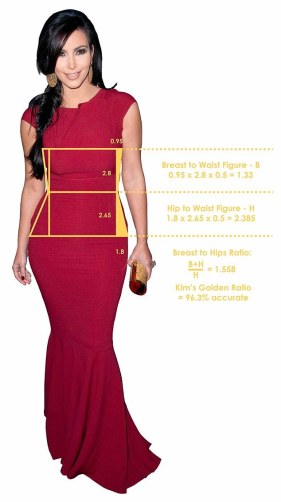
Up until 2015, Kim Kardashian had a WHR closest to the golden ratio of 1.618 with it being 1.558 to the golden ratio (her ratio being 96.3 percent accurate), being beaten out by Scarlett Johanssen with her ratio being 1.56, making her body 96.4 percent accurate to the golden ratio. The golden ratio has signified beauty for over 2000 years, starting with the ancient Greeks. The golden ratio has been considered to be most pleasing to the eye, so it’s no wonder why people with bodily proportions close to the ratio are seen to be more attractive than people with ratios lower or higher.
Kim’s WHR is the cause of her success! Coming in second place, having a figure 96.3 percent similar to the golden ratio, this proves that Kim’s success is her WHR! Men are drawn to her WHR, which then has women emulate how they look in an attempt to look like Kim. Kim influences how young American women dress because of her personality and looks. Kim is an inspiration to all Armenian-Americans, showing them that they can succeed too if they put their mind to it!
There are evolutionary reasons why we find these ratios/proportions attractive: it signifies higher fertility, better health, more intelligence and the women will birth more intelligent children. This is due to stores of gluteofemoral fat in the hips legs and buttocks (Lassek and Gaulin, 2008). So the fact that these body types are seen as attractive today, and a lot of successful female entertainers have proportions close to the golden ratio signifies what was good for us, evolutionarily speaking in the past, as we are selected for past environments, not any possible future ones. Women with WHR less than .8, between .6 and .7, are more intelligent and birth more intelligent children due to the stores of gluteofemoral fat in the body. This is why people like Kim are so successful; their WHR causes their success.
There is also a golden ratio for men called the Adonis index. For instance, a man with a 28-inch waist and 45-inch shoulders will have the Adonis index—the golden ratio. Greek and Roman sculptors integrated the golden ratio into their work:
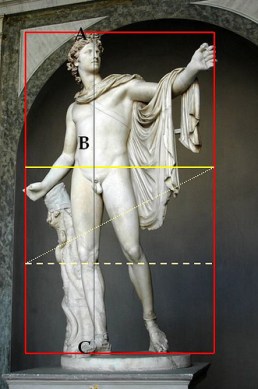
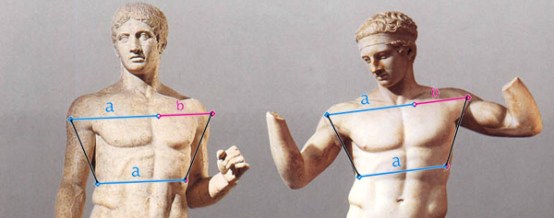
(source)
(source)
It’s no wonder why we strive to mold our bodies in an attempt to be in proportion to the golden ratio. It has both historical and evolutionary significance. Indeed, the golden ratio is seen all over nature, including in hurricanes, flower petals, DNA molecules, seed heads, pine cones, tree branches, shells, spiral galaxies, fingers and animal bodies, to name a few. So clearly there is significance to what we find attractive and why.
The golden ratio is even seen in which faces we find the most attractive. This, largely, defines beauty. Beauty is a good health indicator (Kanazawa, 2004), so women who have facial proportions and a WHR closer to the golden ratio are more likely to be successful, healthy, intelligent, birth more intelligent children (and more female children [Miller and Kanazawa, 2008])and overall have a higher quality of life.
Humans are no different, and a part of nature. Thus, since the golden ratio is so prevalent in nature, and human bodies being close to this number of ‘perfection’ are seen as more attractive with numerous health and fertility markers attesting to this, there is no wonder why these proportions are seen as so attractive. So people with these proportions are more likely to be successful, which is exactly what we see.
In sum, Kim’s WHR, just like Oprah’s brain size (!) literally causes her success in life. However, unlike unverifiable estimates from PP, there is direct measurable evidence of Kim’s WHR and bodily proportions, which directly lead to her sucesss in life. This is due to the golden ratio, which is found all over nature and has signified beauty for over 2000 years. Greek and Roman sculptors sculpted statues in proportion with the golden ratio, along with buildings like the Parthenon. We notice and find these ratios attractive, in regards to the human body and buildings for instance, because it was an evolutionary advantage to these proportions attractive, as they signify health and fertility.
The cause of Kim’s success is her waist-to-hip ratio! She’s so smart and intelligent, just like Oprah’s big brain is the cause for her success, Kim’s waist-to-hip ratio is the cause for her success!
 NotPoliticallyCorrect